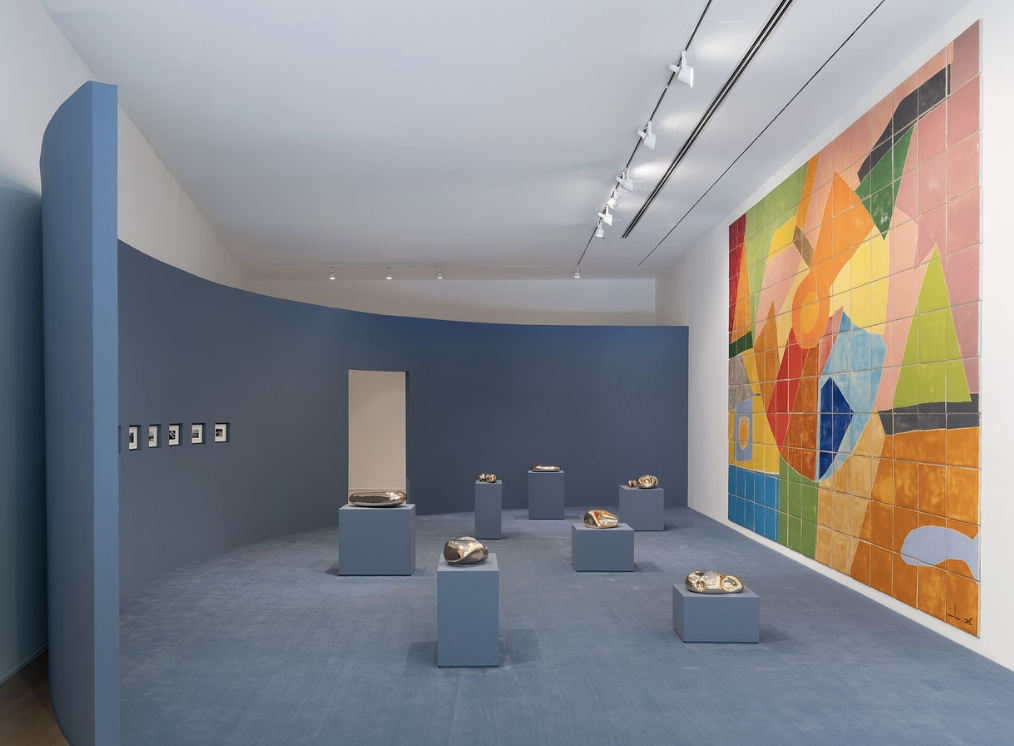
20 Minimal and Conceptual Visionaries We Follow

In this article, LVH Art brings together a list of key Minimalist artists and others whose work continues its sensibilities in new ways.
Emerging in the early 1960s, Minimalism marked a decisive shift in postwar art by insisting on the primacy of the object and its immediate spatial conditions. Artists associated with the movement pursued an aesthetic of radical reduction, privileging geometry, serial structures, and industrial materials in an effort to dismantle the illusionism and overt subjectivity that had defined much of mid-century abstraction. Rather than functioning as vehicles for symbolic meaning, Minimalist works asserted their presence within the viewer’s physical environment, generating what critic Michael Fried famously called “theatricality” through their attention to scale, duration, and the phenomenological encounter.
Yet Minimalism’s impact extends well beyond its foundational figures. The movement’s clear approach and attention to perception shaped later generations, who took its ideas in new, more sensory directions. The influence of Minimalism can therefore be traced not only in strict geometric abstraction but also in practices that foreground light, colour, atmosphere, and material conditions as primary artistic concerns.
This article presents a curated list of artists central to the Minimalist agenda alongside those whose work reflects its enduring legacy. Each engages, in different ways, with questions of presence, perception, and the viewer’s role in completing the artwork. This is a dialogue that continues to shape contemporary understandings of abstraction and spatial experience.
Artist List
Jo Baer, Larry Bell, Mary Corse, Walter De Maria, Dan Flavin, Carmen Herrera, Roni Horn, Robert Irwin, Ann Veronica Janssens, Donald Judd, Ellsworth Kelly, Imi Knoebel, Sol LeWitt, Robert Mangold, Agnes Martin, Kenneth Noland, Park Seo-Bo, Robert Ryman, Richard Serra, Ettore Spalletti.
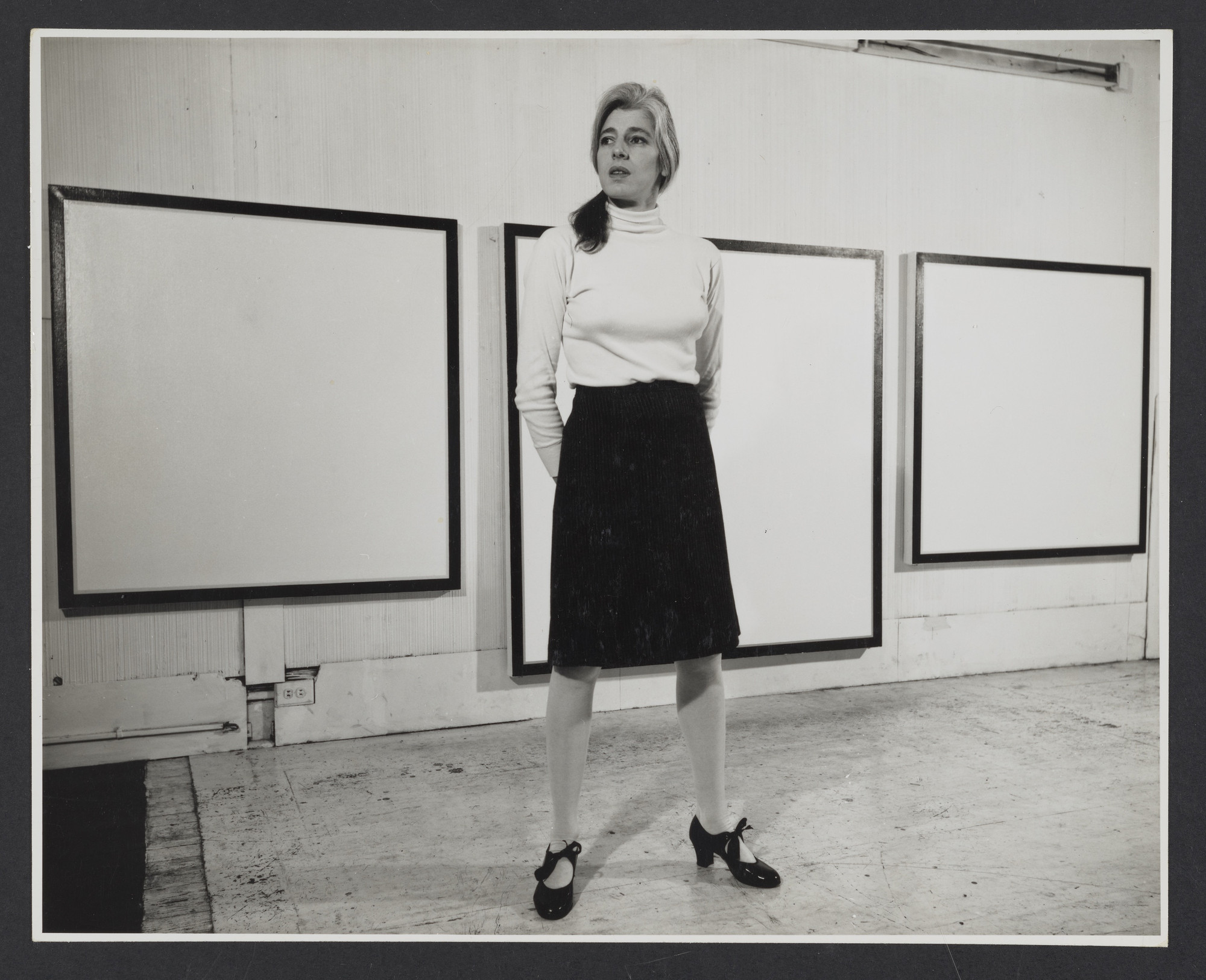
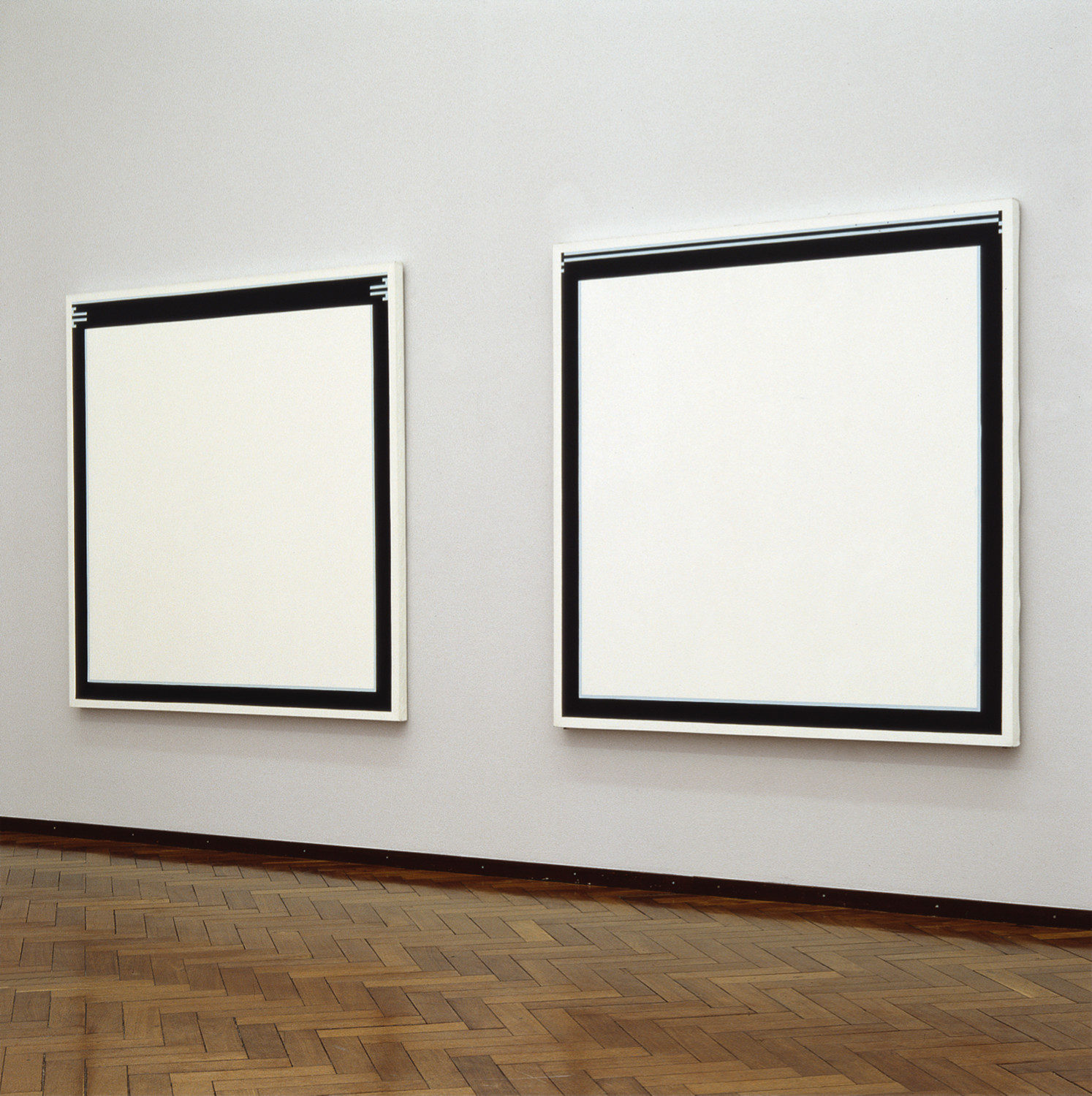
Jo Baer
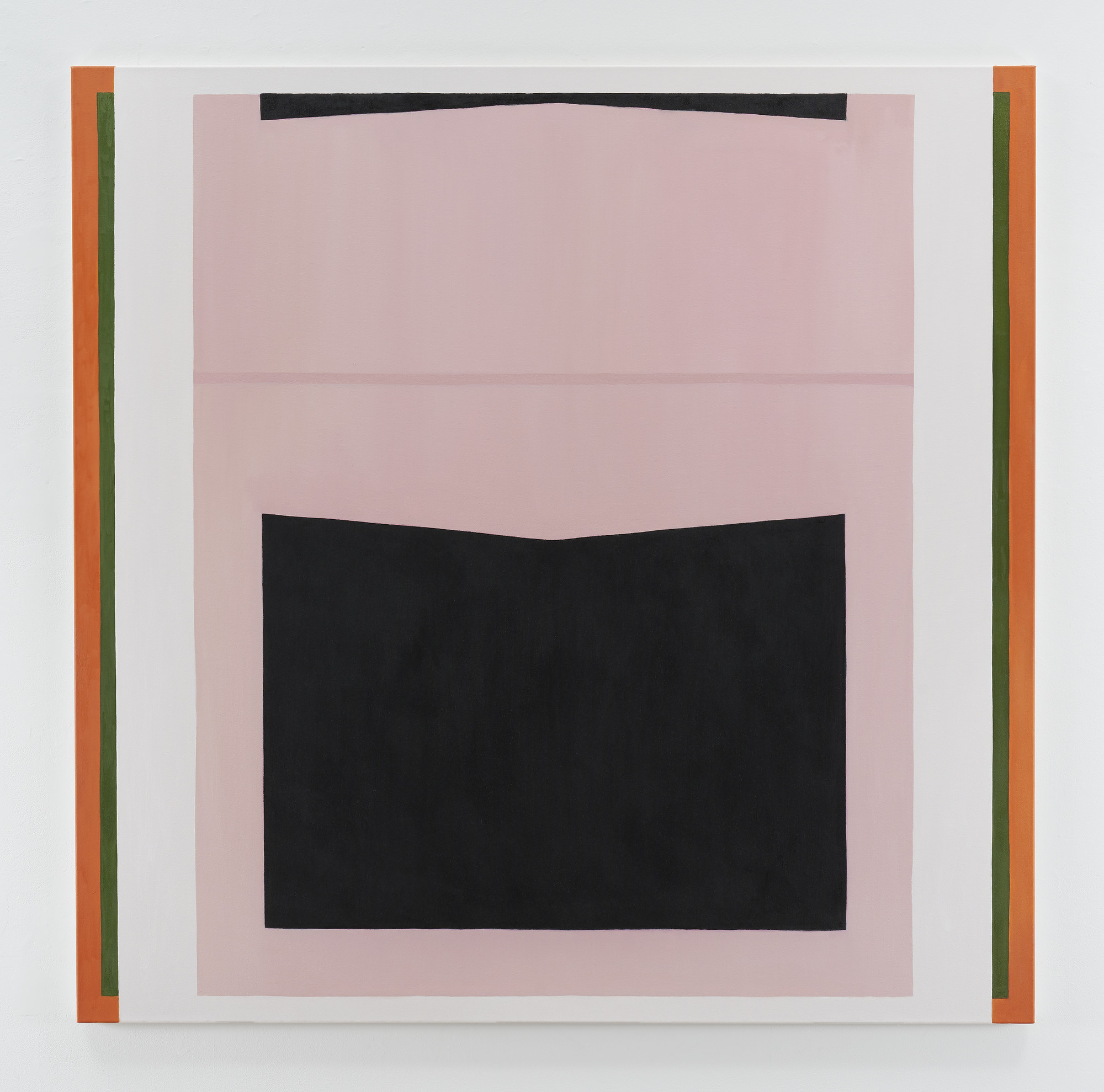
Jo Baer (b. 1929, Seattle, Washington, United States – d. 2025, Amsterdam, Netherlands) developed a highly reductive form of painting in the 1960s, best known for her “hard-edge” works that frame the canvas with measured bands of colour. Her practice examined how the perimeter of a painting can determine visual attention, making the edge an active structural component.
Larry Bell
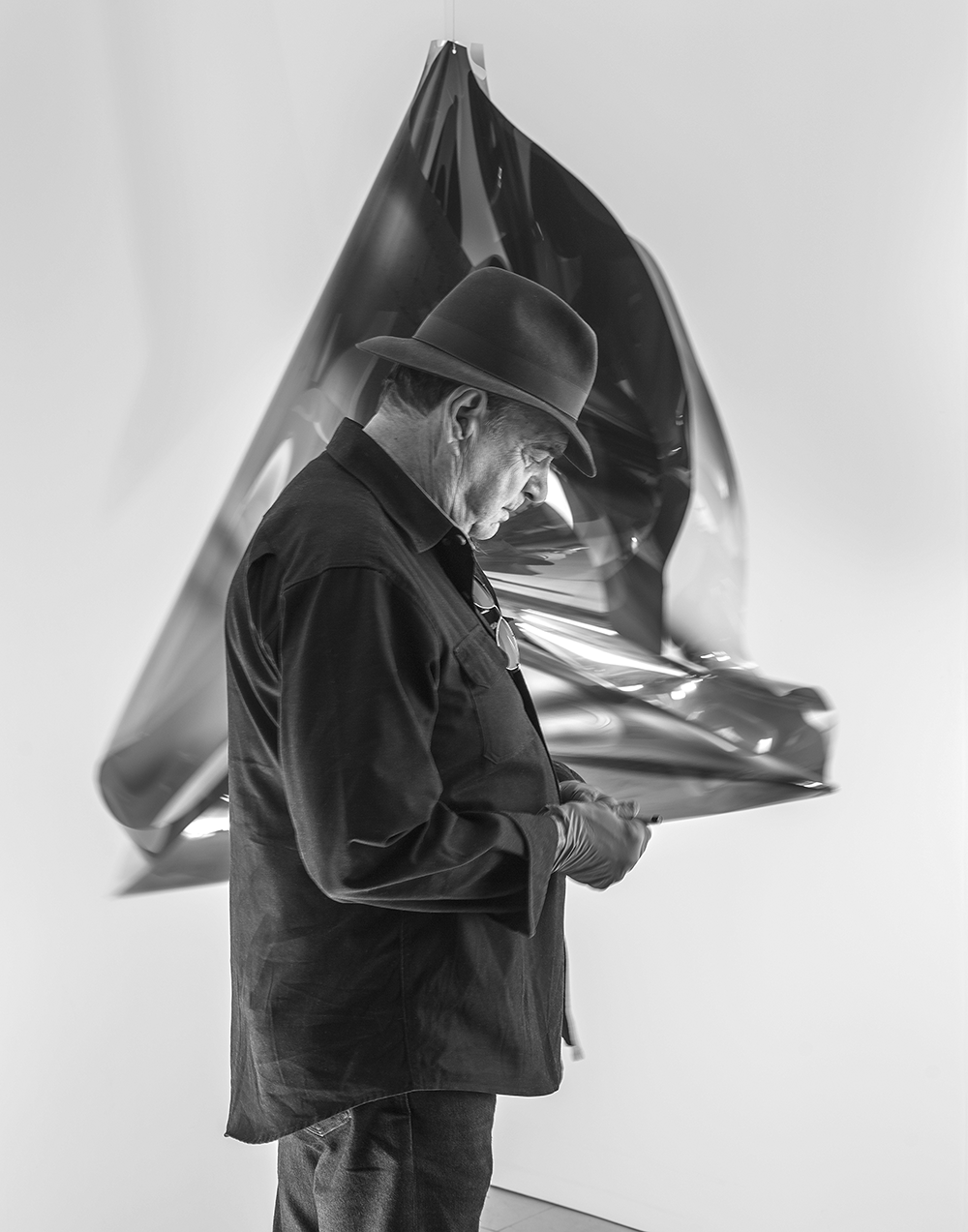
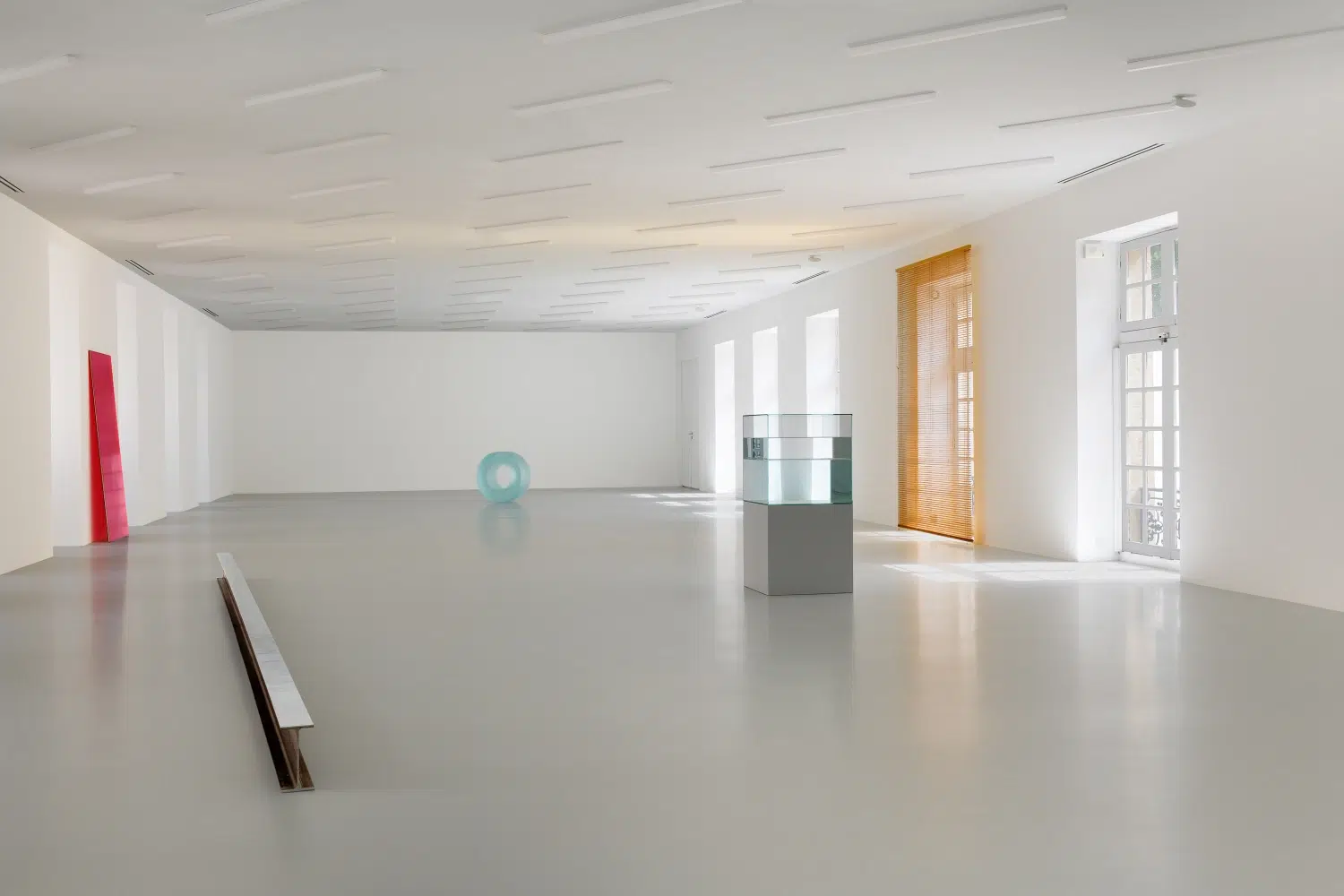
Larry Bell (b. 1939, Chicago, Illinois, United States) is known for his investigations into reflection, transparency, and optical phenomena through glass sculpture. Using vacuum-coating technology, he produces cubes, panels, and architectural installations that demonstrate the behaviour of light on treated surfaces.


Mary Corse
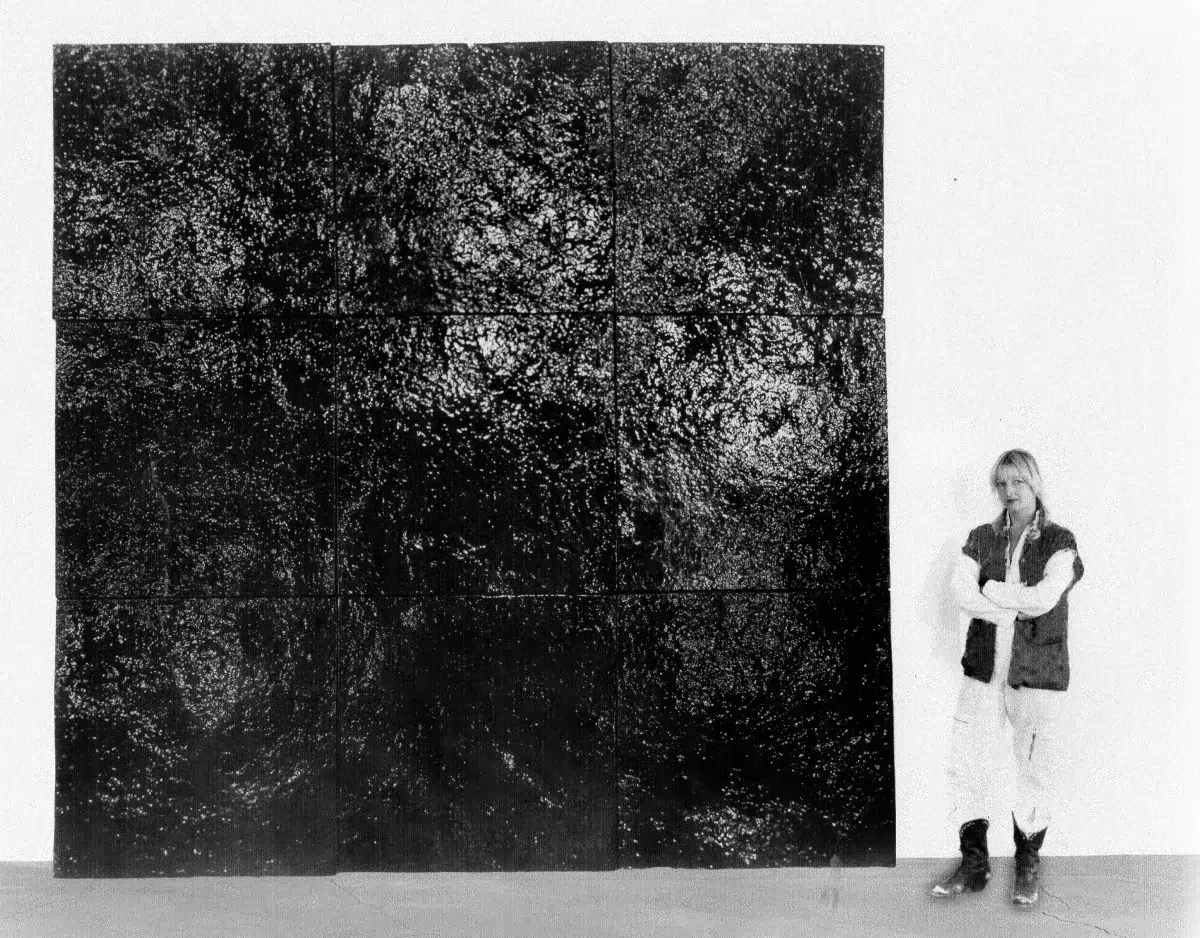
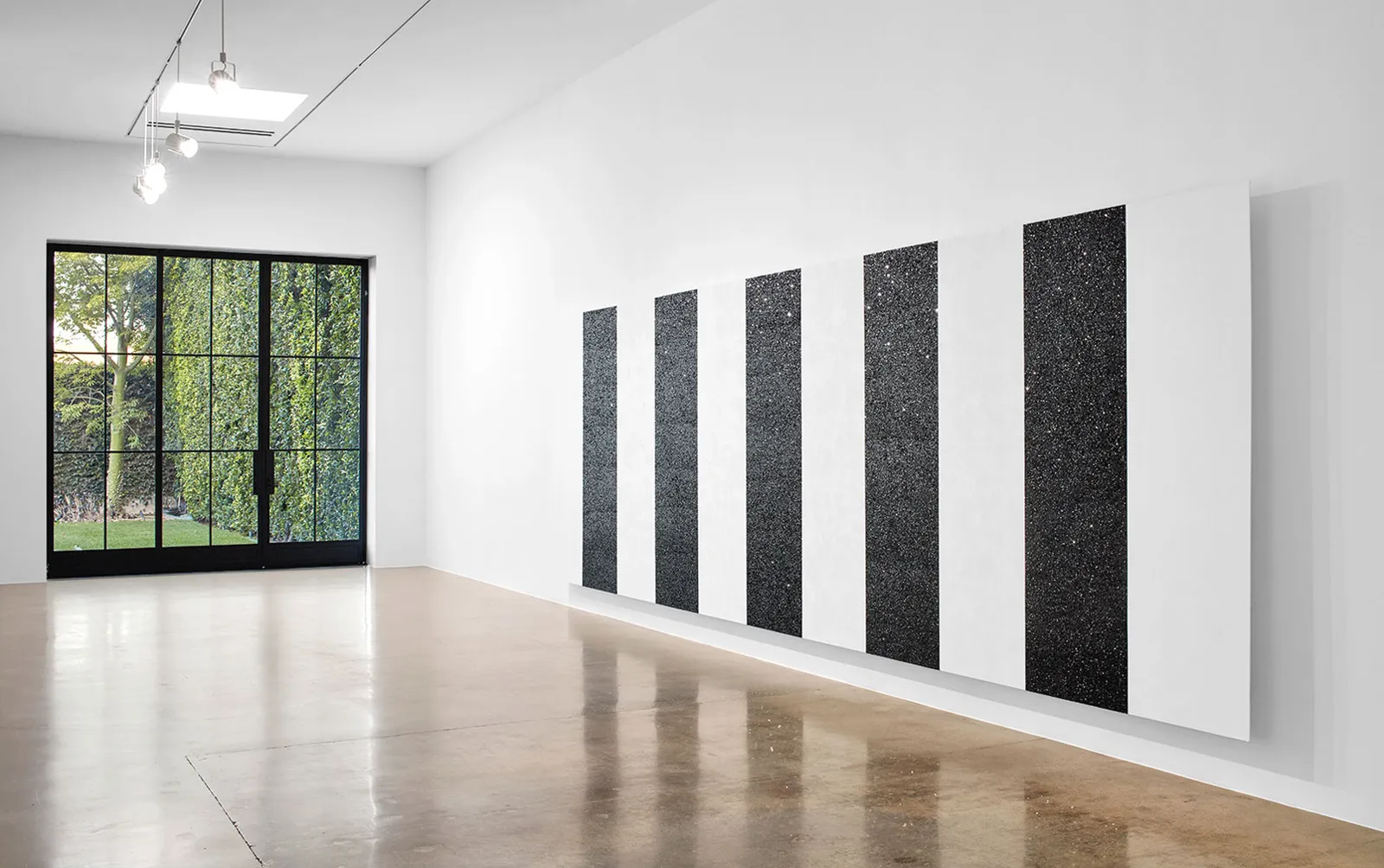
Mary Corse (b. Berkeley, California, United States) works with glass microspheres, acrylic, and reflective materials to create monochrome paintings that shift with changing light. Her practice emphasises perception and the viewer’s movement, aligning with the light-based experiments of the Los Angeles art scene.
Walter De Maria
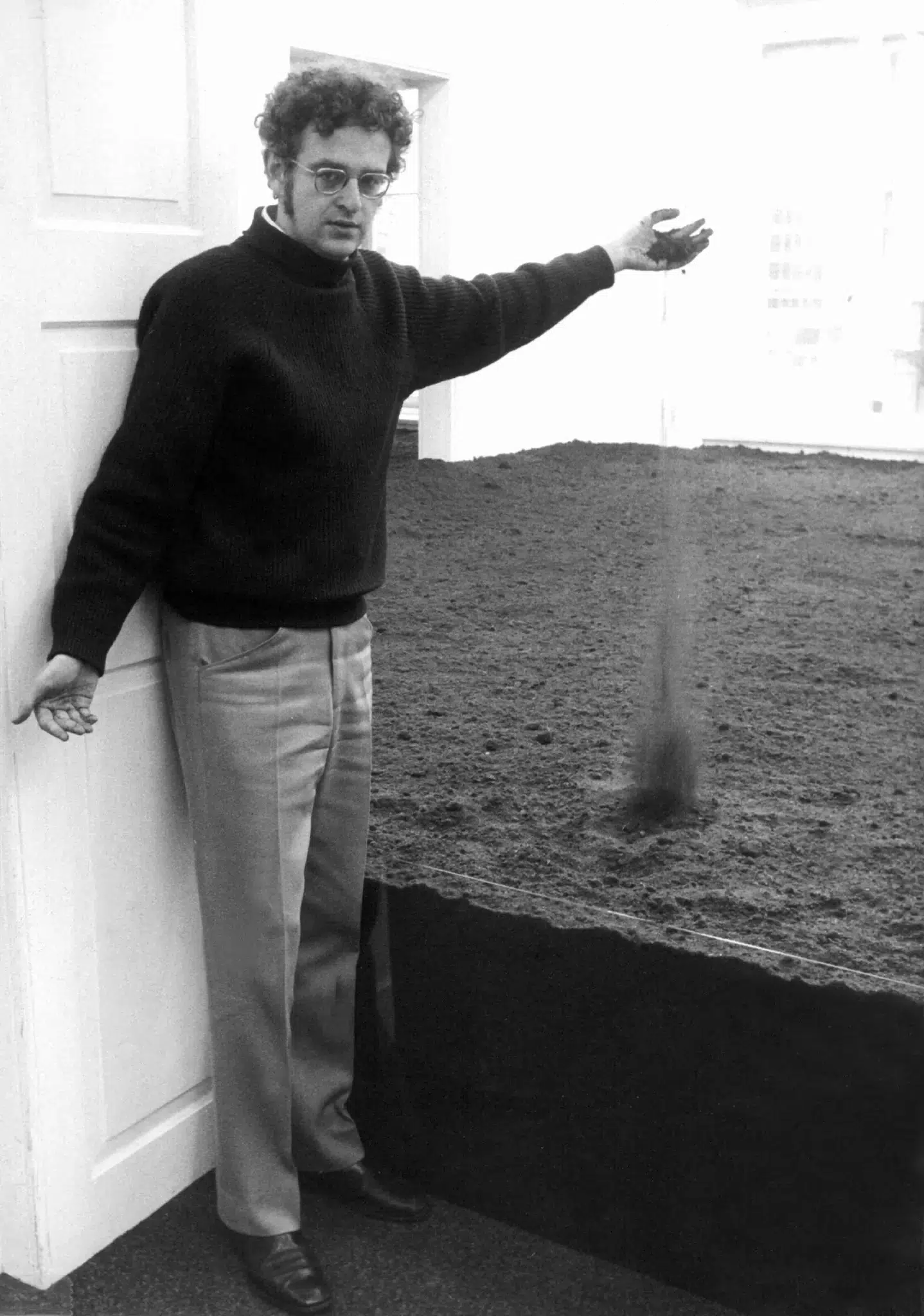
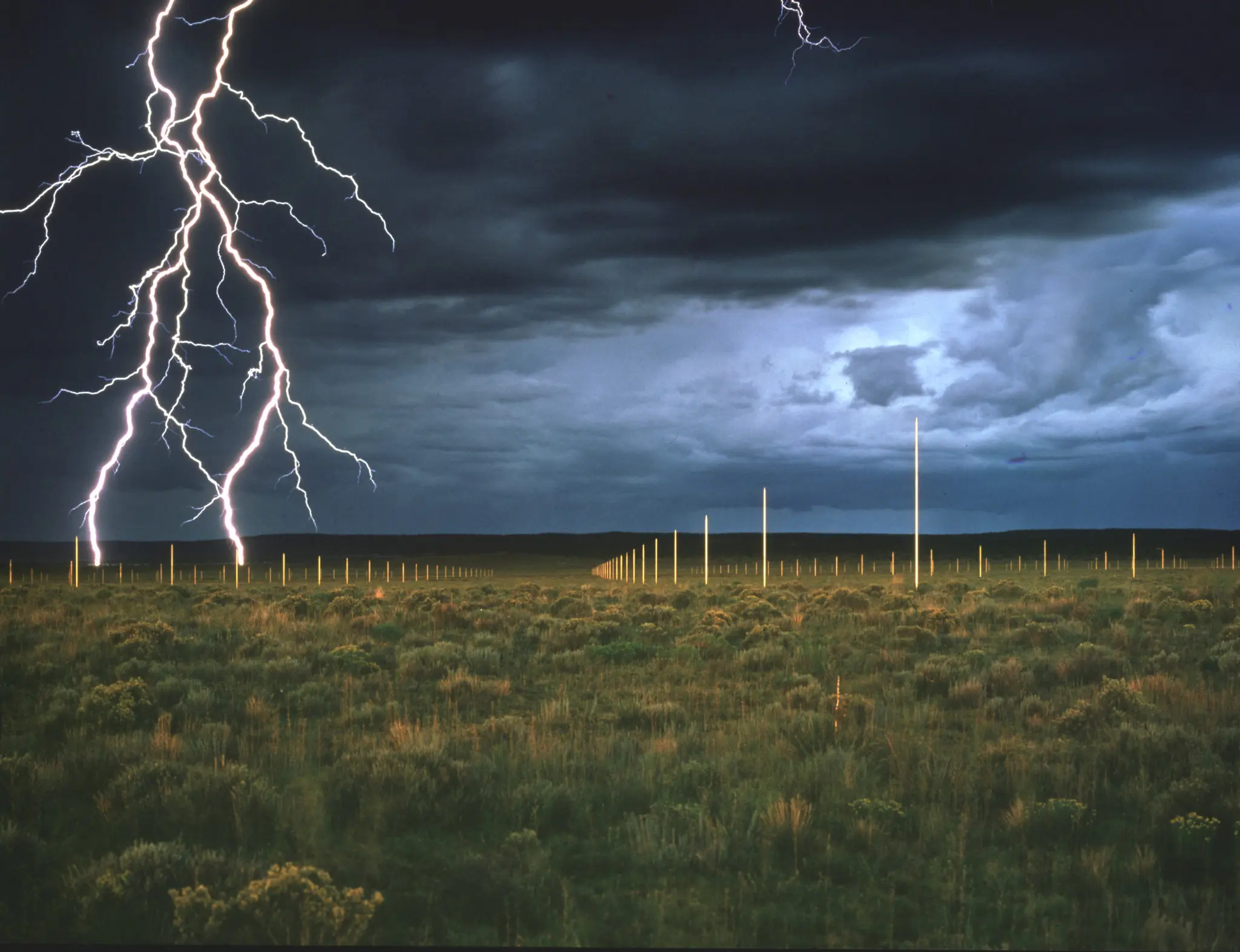
Walter De Maria (b. 1935, Albany, California – d. 2013, Los Angeles, California, United States) expanded Minimalist principles into large-scale, site-specific works. His practice combines geometric organisation with natural forces, most notably in The Lightning Field (1977), which uses a grid of metal poles to register weather and duration.
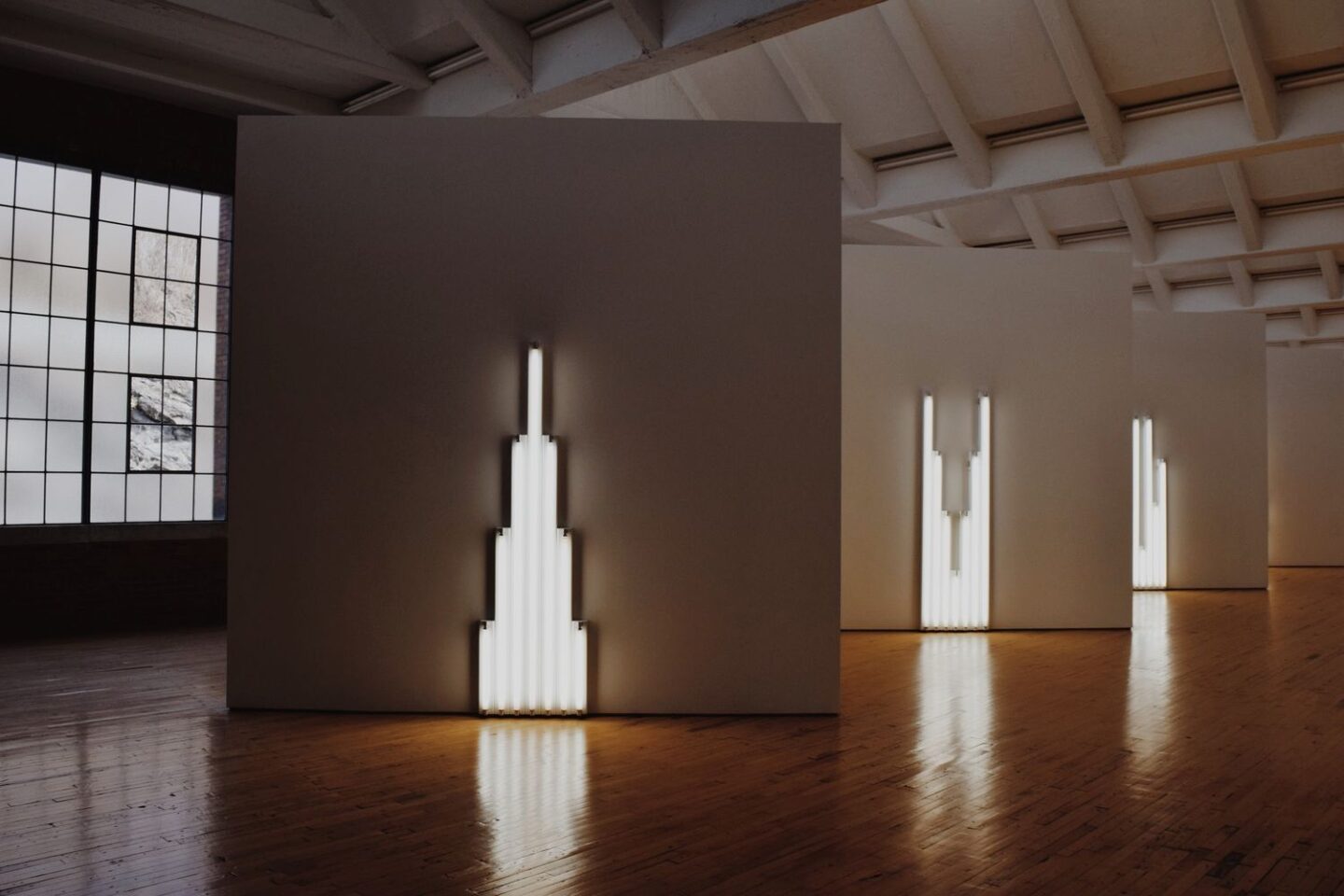
Dan Flavin
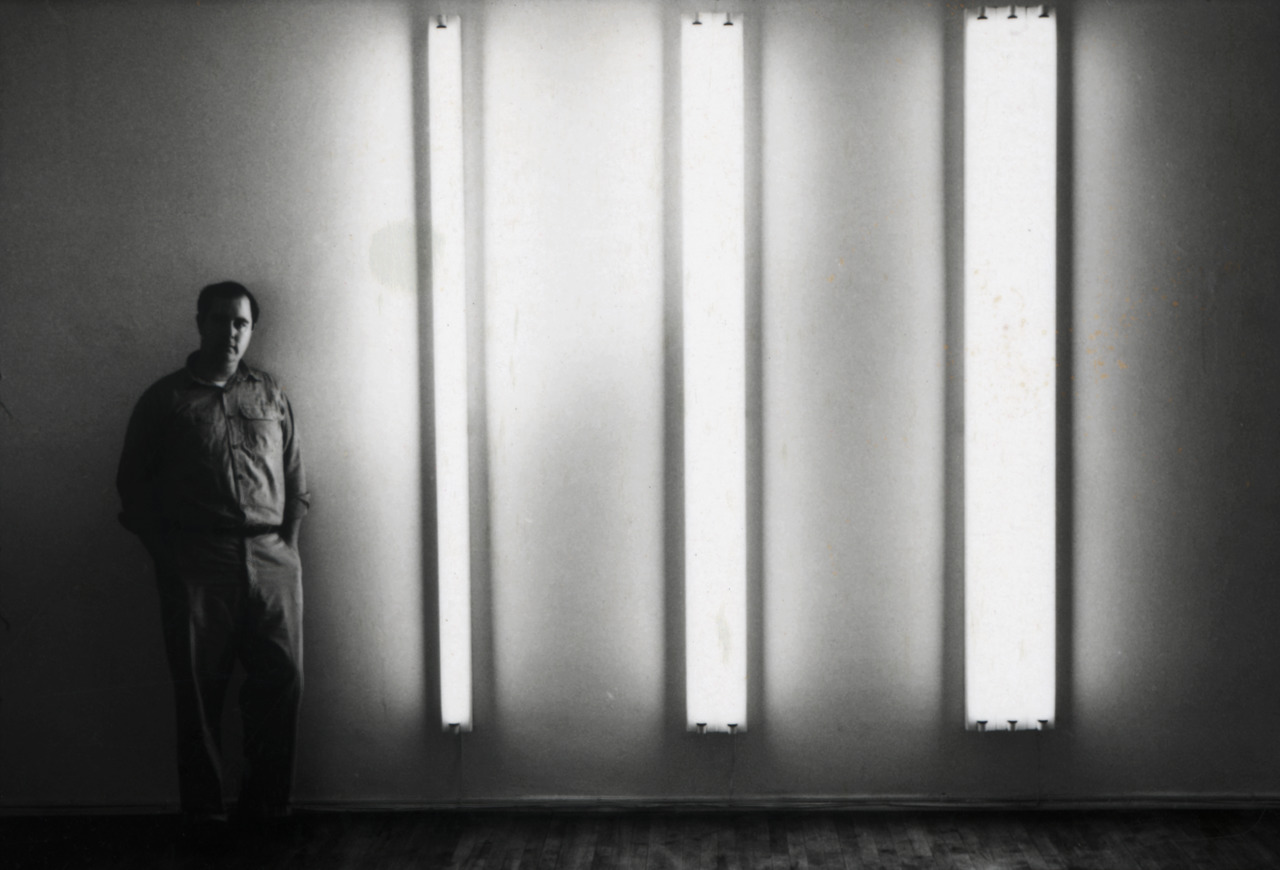
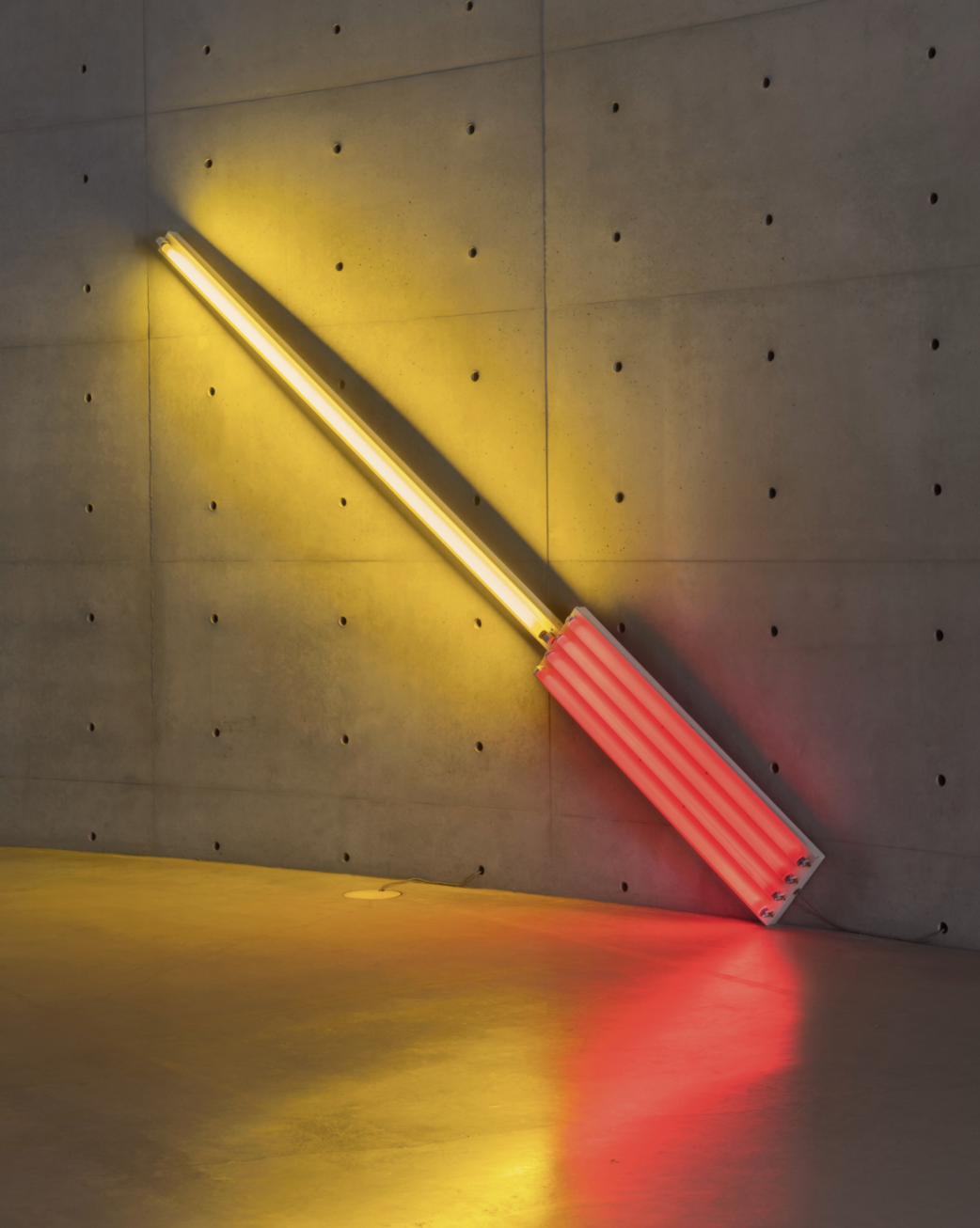
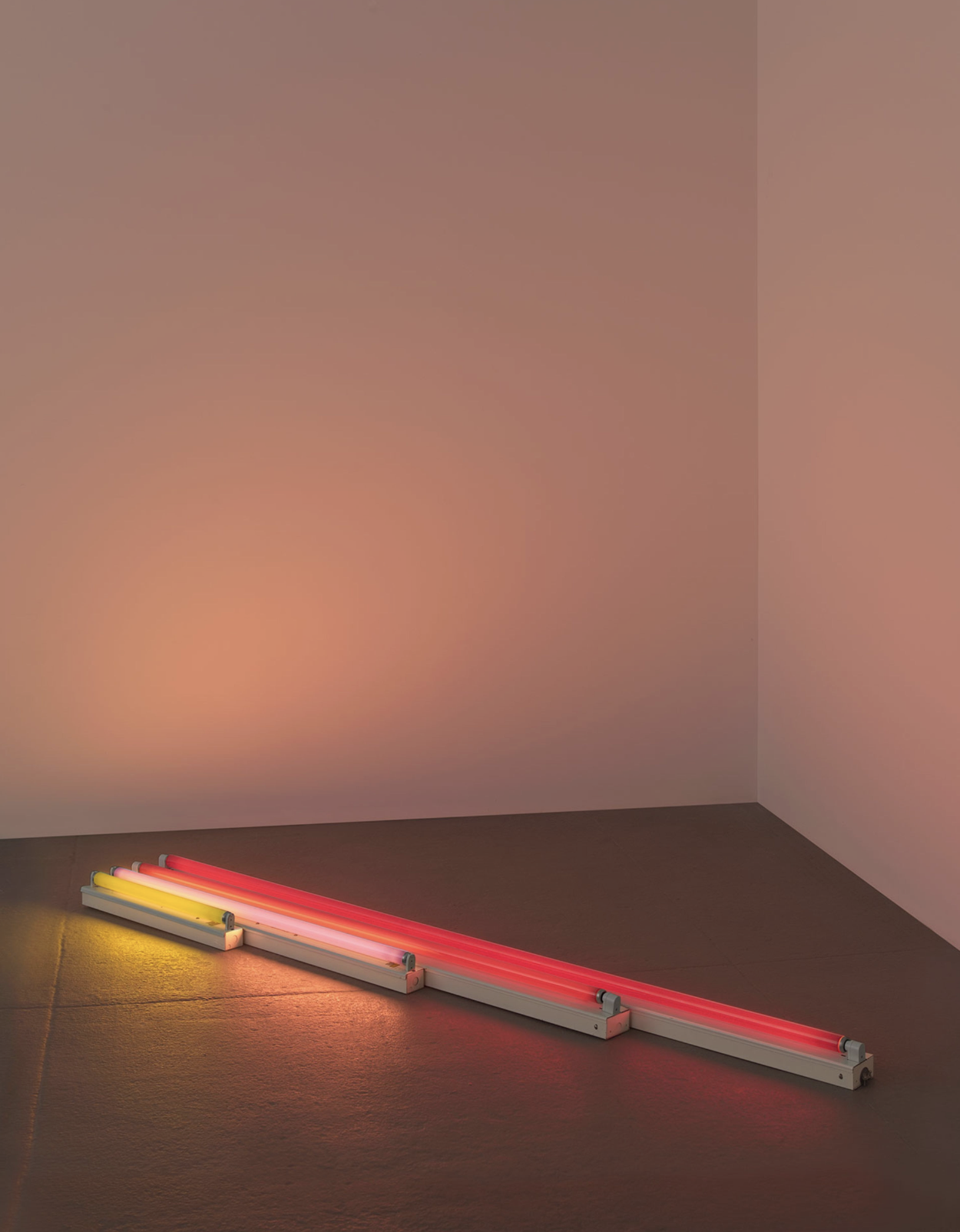
Dan Flavin (b. 1933, New York, New York – d. 1996, Riverhead, New York, United States) employed commercially produced fluorescent tubes to create installations defined by colour and spatial configuration. His work focuses on the physical properties of light and its ability to articulate architectural space.
Carmen Herrera
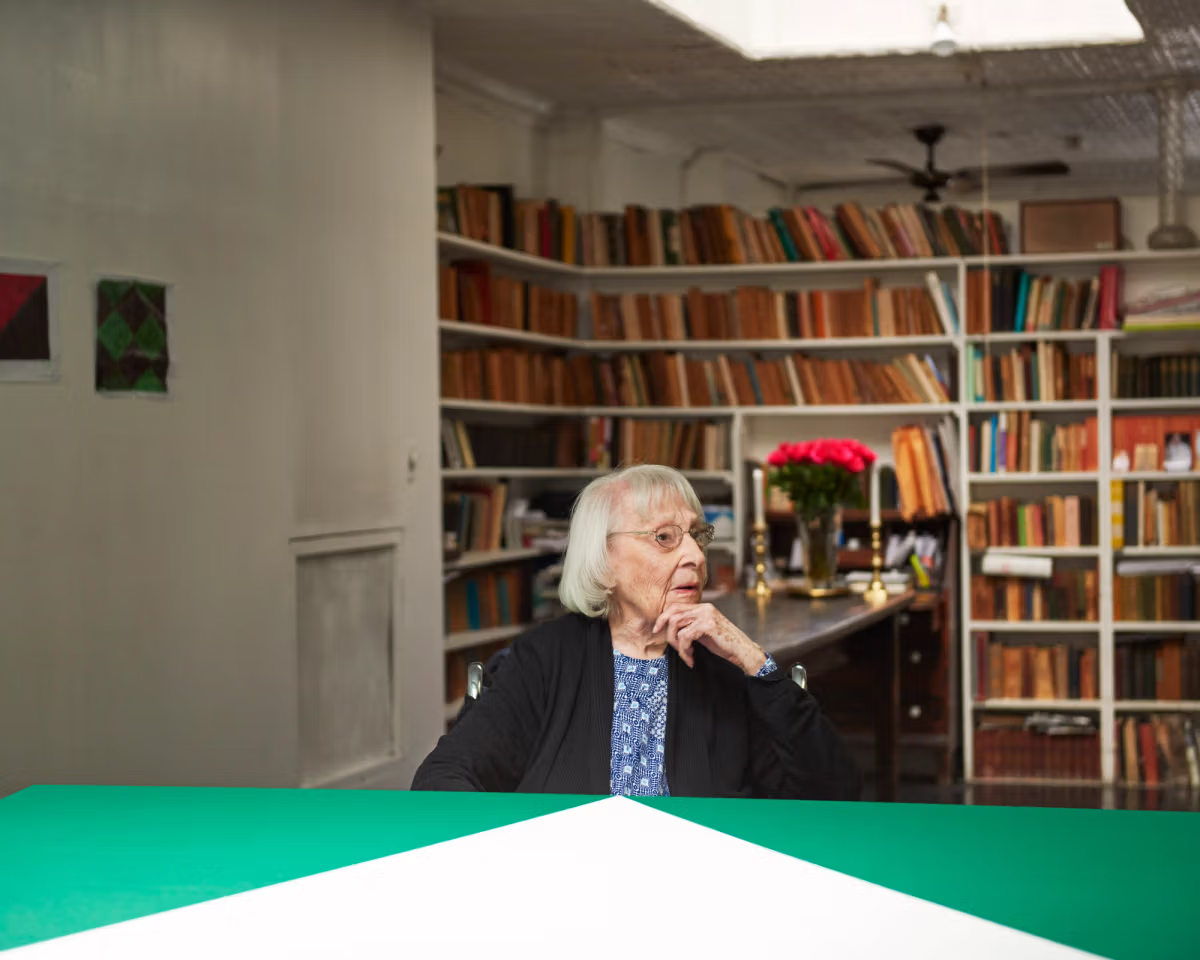
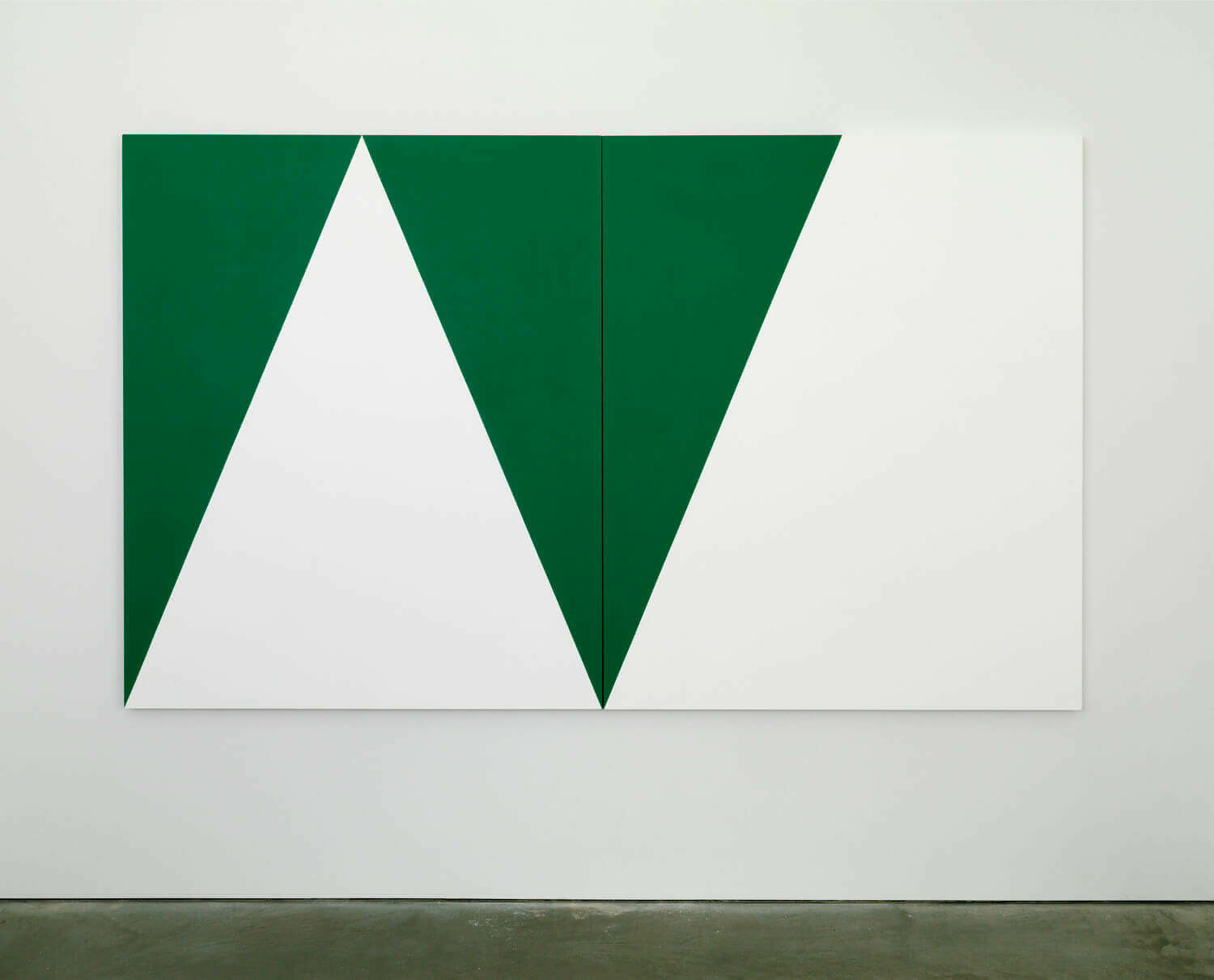
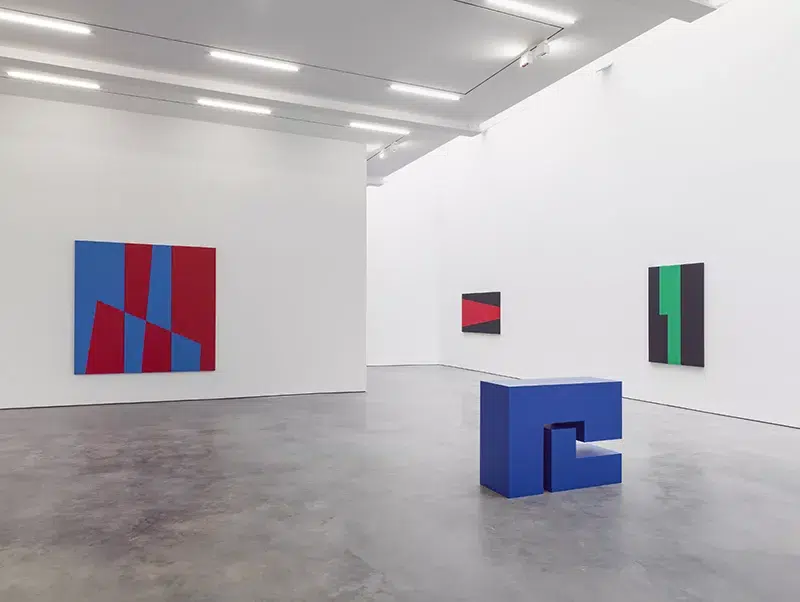
Carmen Herrera (b. 1915, Havana, Cuba – d. 2022, New York, New York, United States) produced sharply defined geometric paintings characterised by distilled forms and high-contrast colour. Her practice reduces composition to its essential elements, aligning with Minimalist concerns while emerging independently through decades of disciplined, pared-down abstraction.
Roni Horn
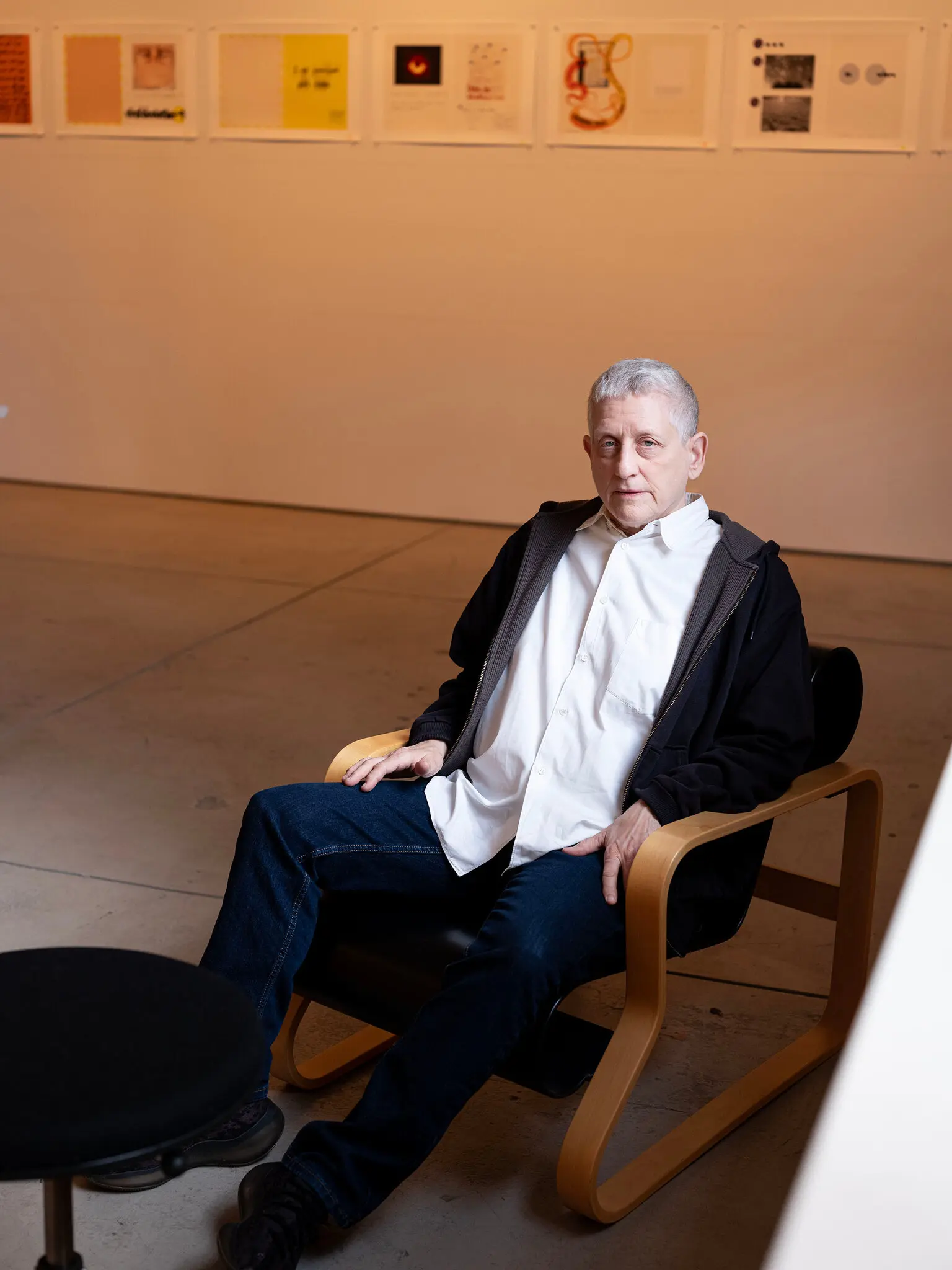
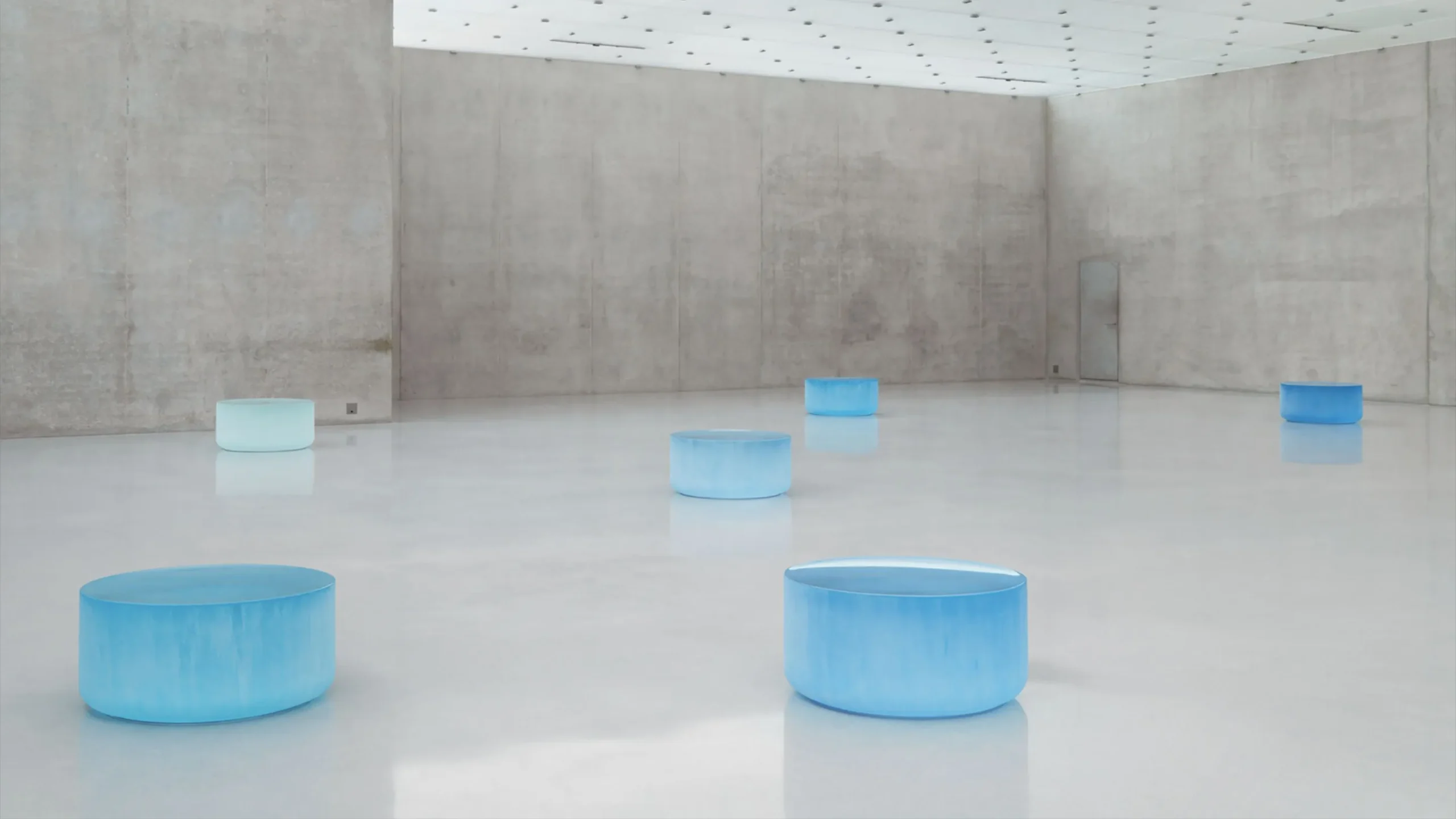
Roni Horn (b. 1955, New York, New York, United States) works across sculpture, photography, and works on paper, often using serial formats and repeated forms. Her cast-glass sculptures, books, and photographic sequences examine how material, context, and weather affect perception over time.

Robert Irwin
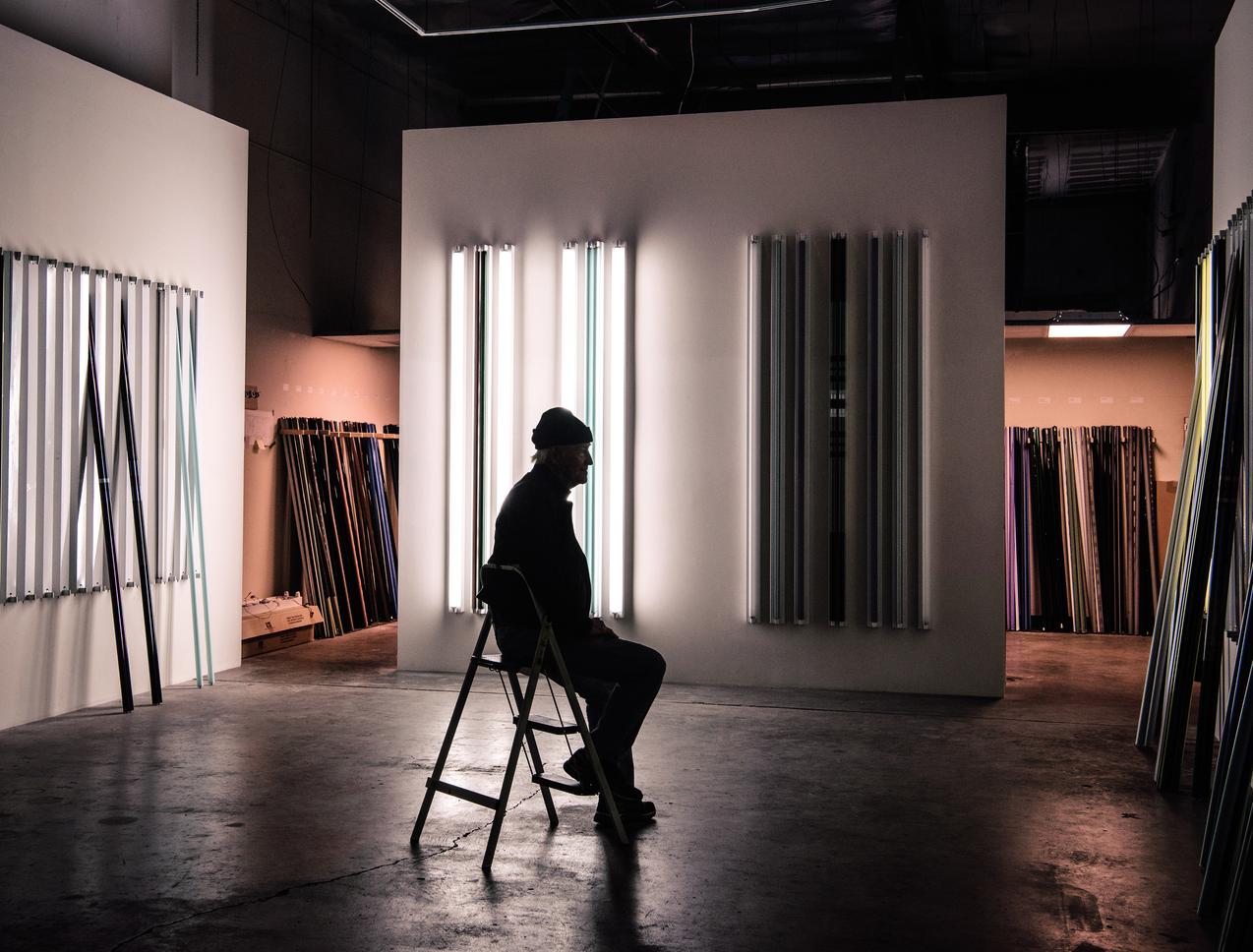
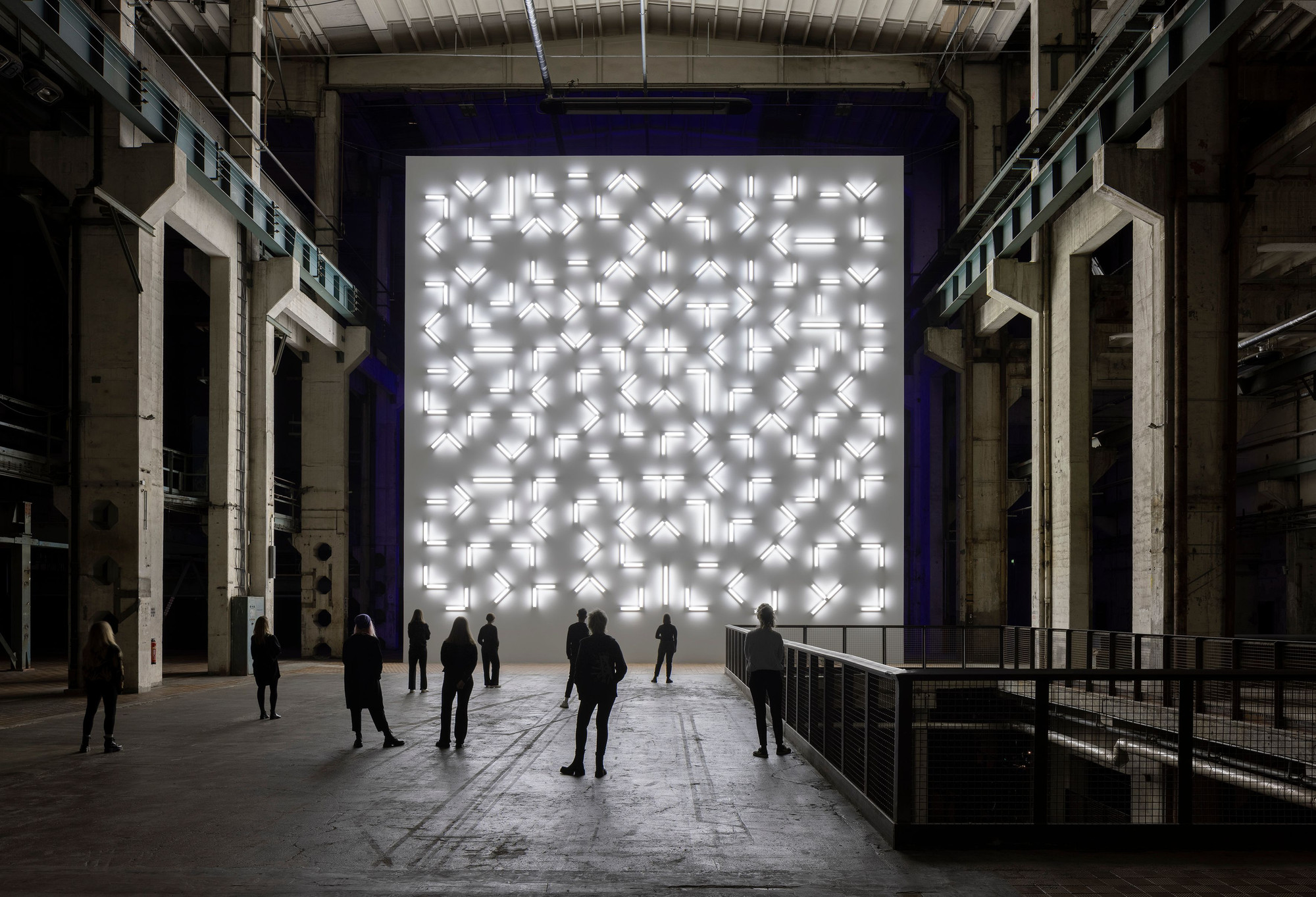
Robert Irwin (b. 1928, Long Beach, California – d. 2023, San Diego, California, United States) shifted from painting to perceptual installations that use scrims, framing devices, and altered environments to direct attention to light and spatial conditions. His practice is grounded in phenomenology and the study of how vision operates in real space.

Ann Veronica Janssens
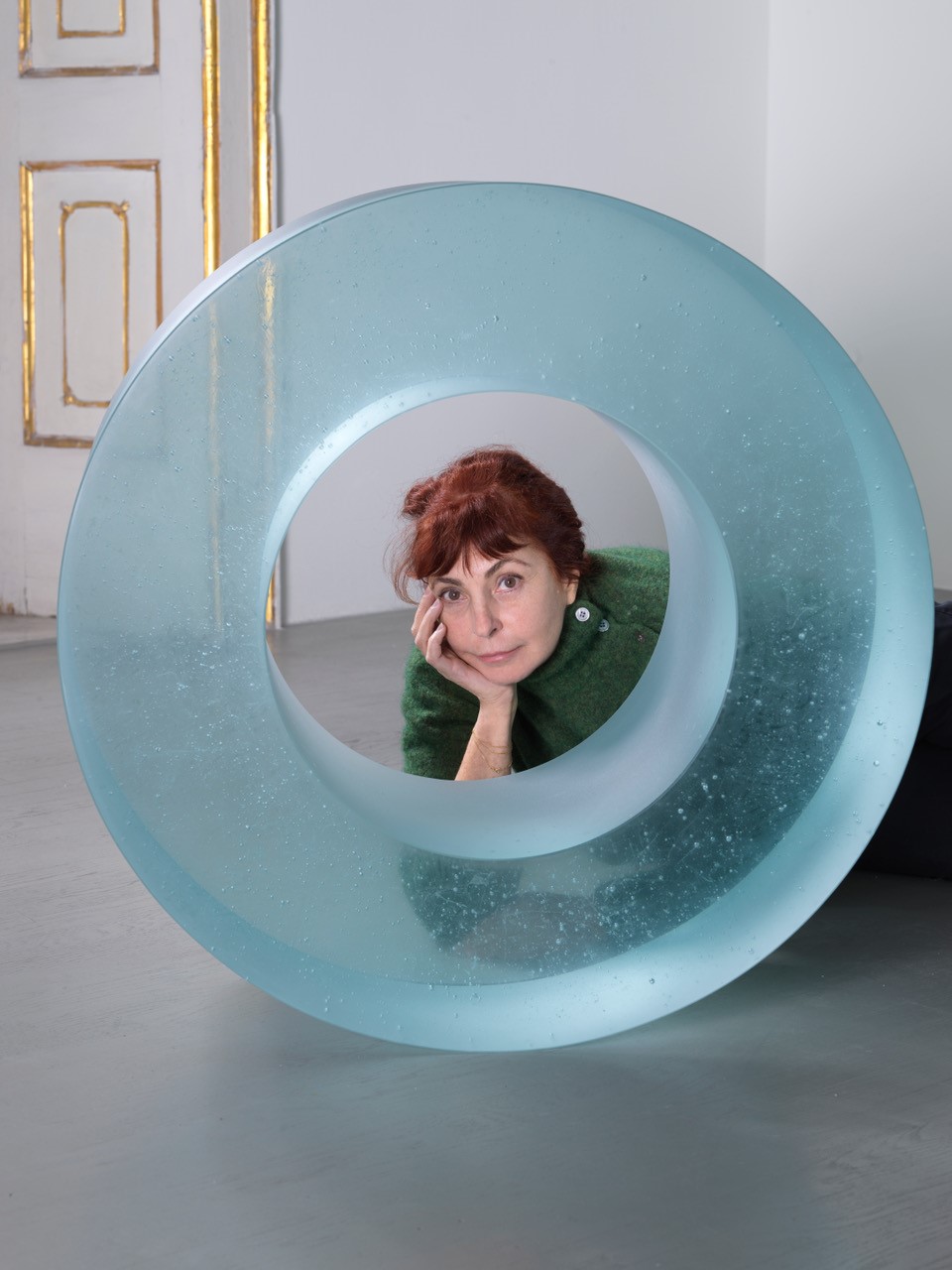
Ann Veronica Janssens (b. 1956, Folkestone, United Kingdom) creates installations that use light, colour, haze, and reflective surfaces to alter spatial perception. Her work centres on direct sensory experience, inviting viewers to navigate environments where vision becomes uncertain and atmospheric conditions define the encounter.
Donald Judd
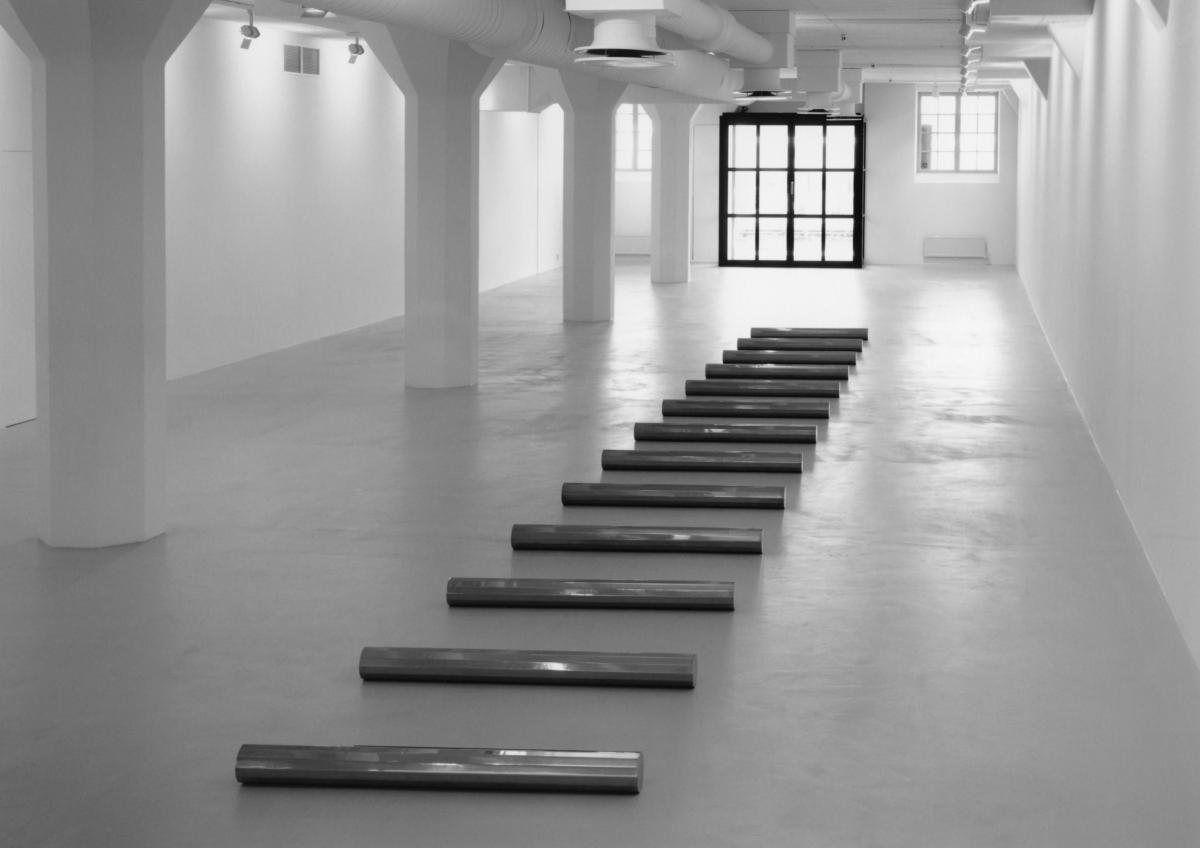
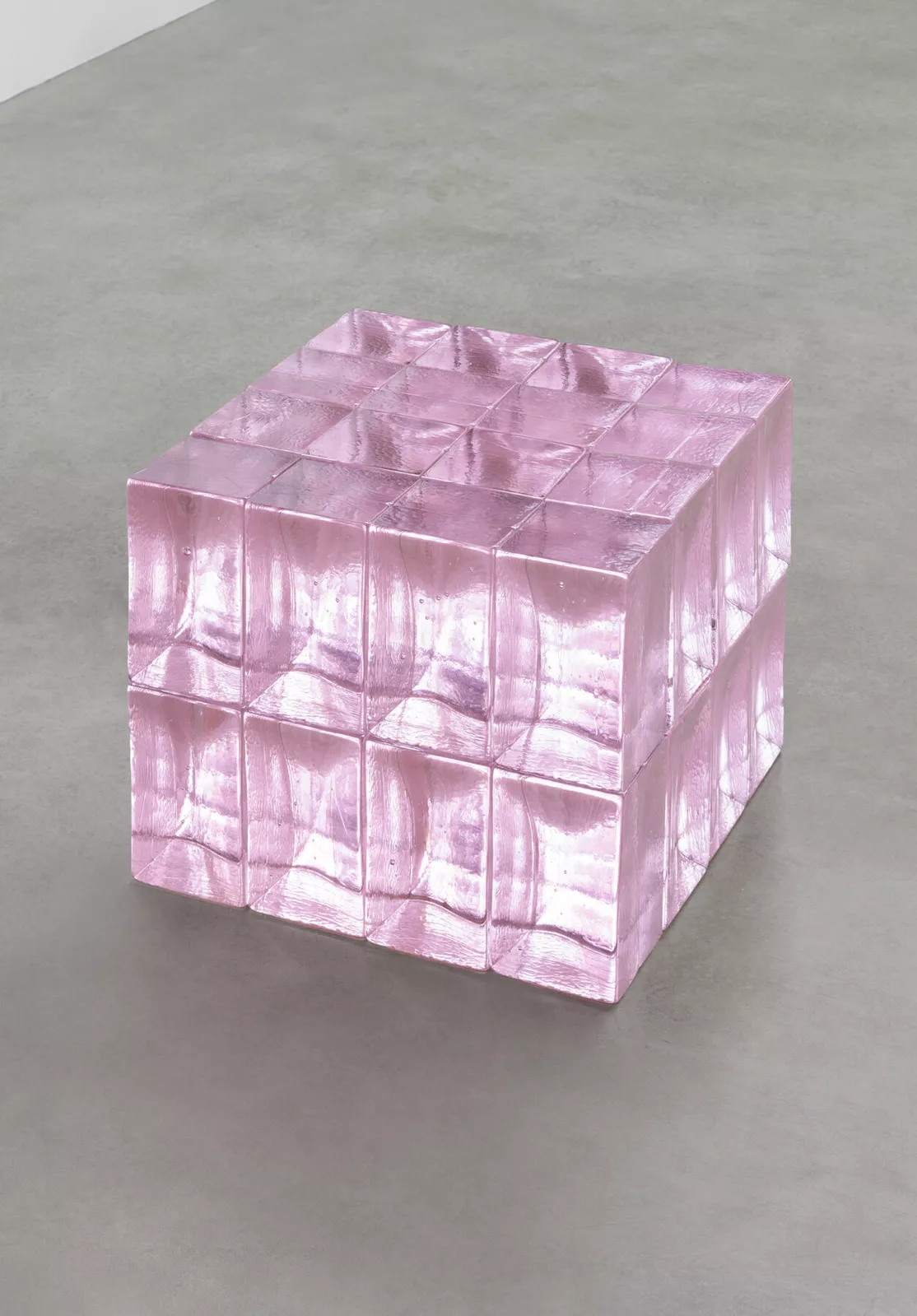
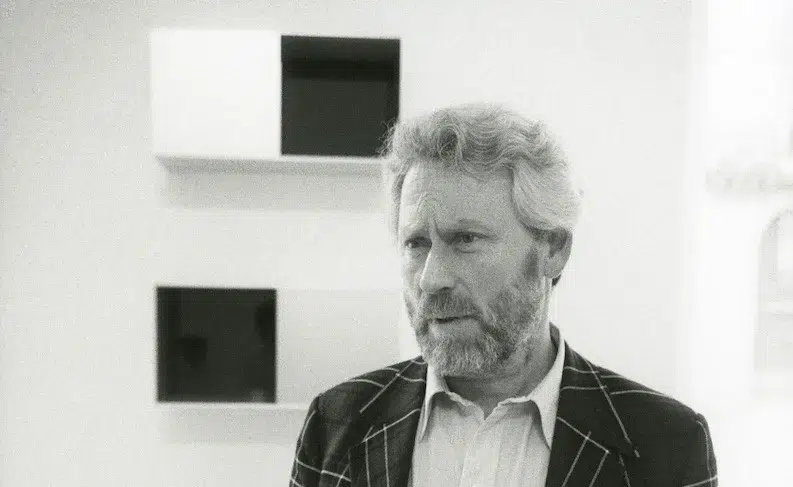
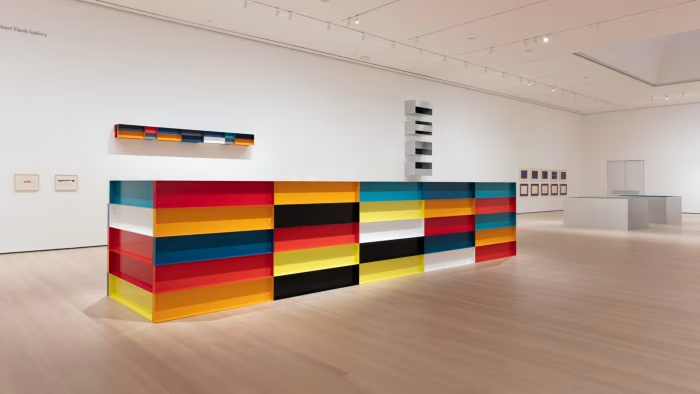
Donald Judd (b. 1928, Excelsior Springs, Missouri – d. 1994, Manhattan, New York, United States) developed a body of work defined by precise, industrially fabricated objects he termed specific objects, which sit between painting and sculpture. Using materials such as aluminium, steel, plywood, and plexiglass, he created boxes, stacks, and progressions arranged in serial formats that emphasise clarity, repetition, and the object’s direct relationship to space. His practice removed illusion and narrative entirely, focusing instead on how form, material, and spatial conditions structure the viewer’s physical experience of the work.

Ellsworth Kelly
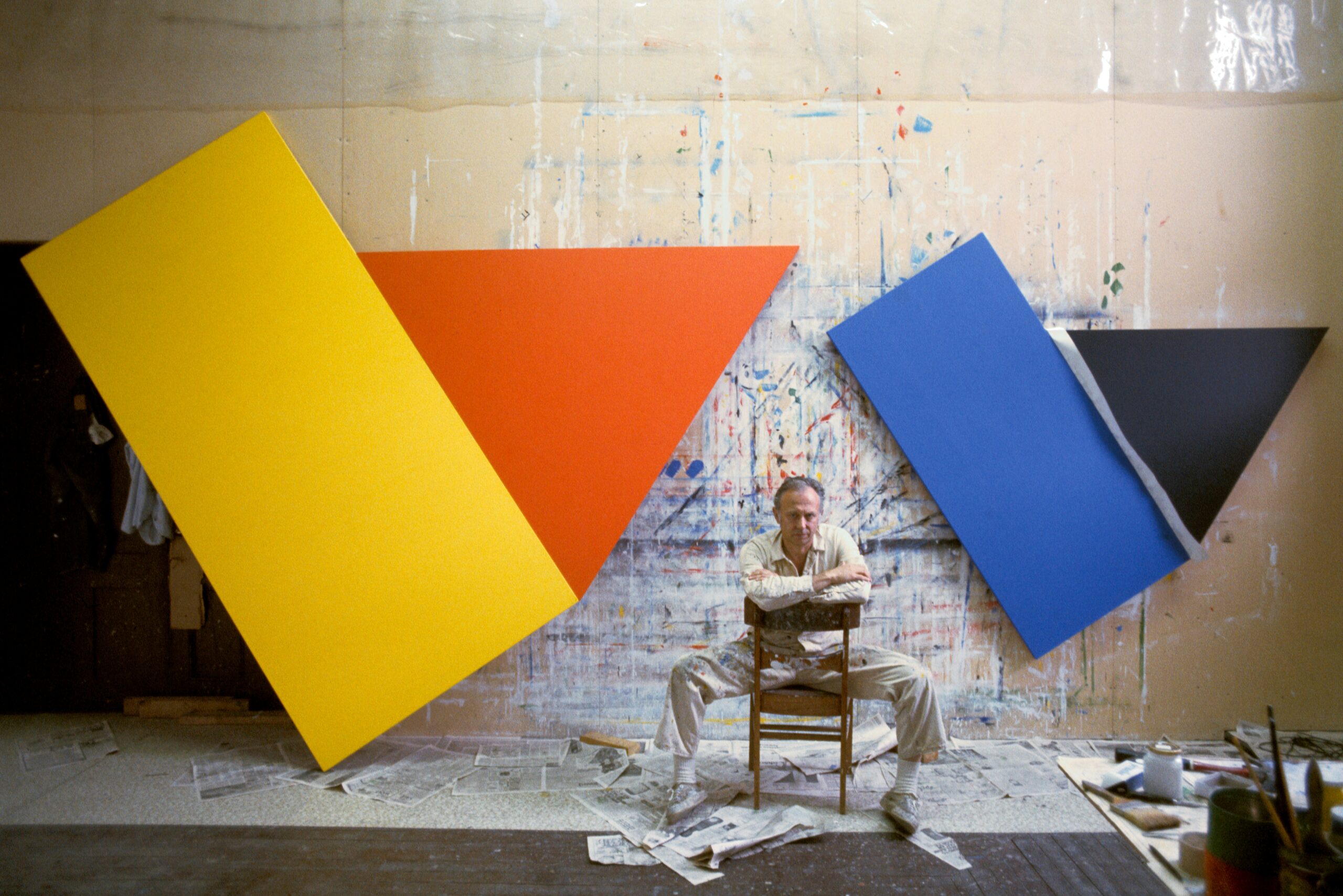
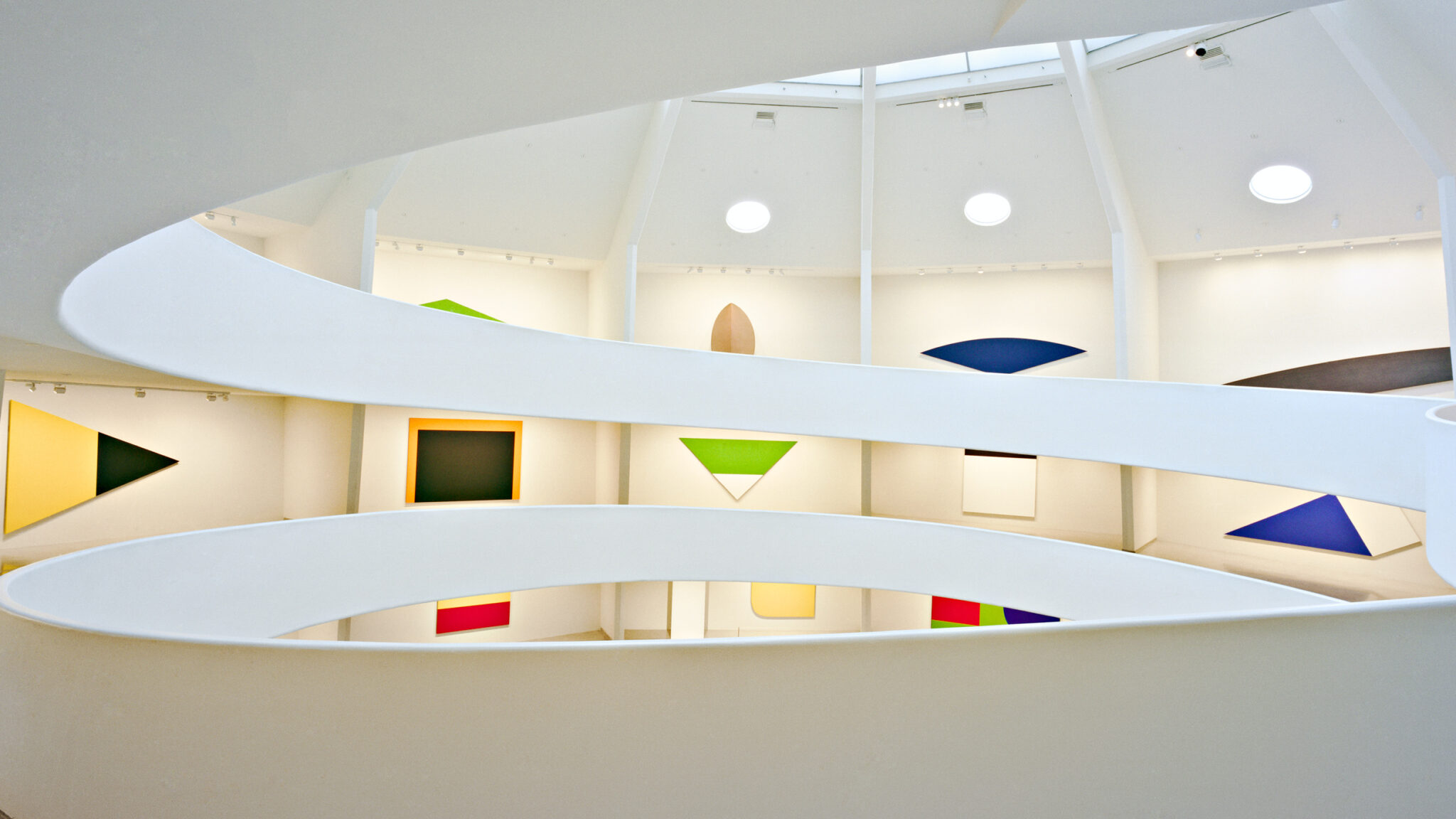
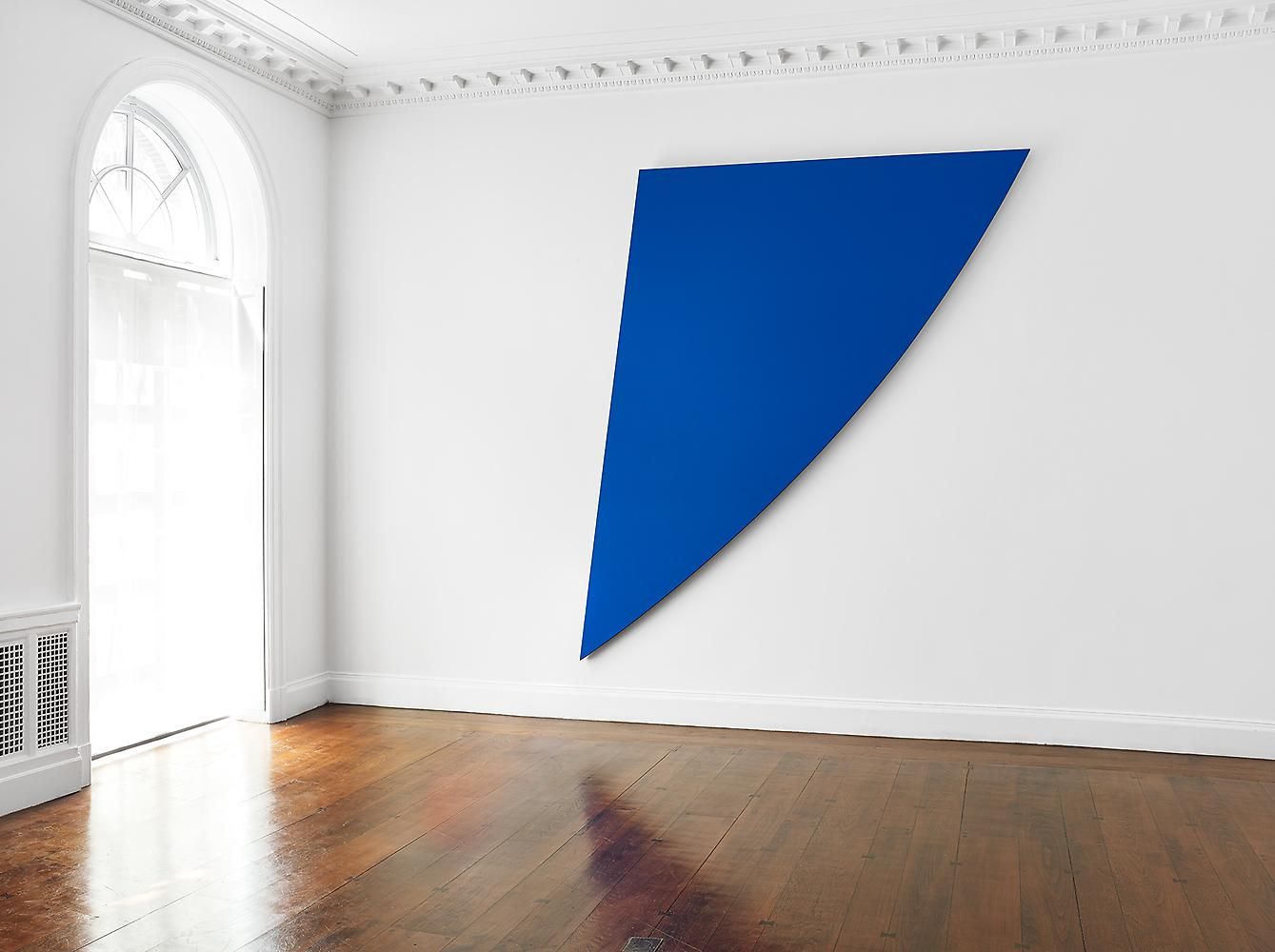
Ellsworth Kelly (b. 1923, Newburgh, New York – d. 2015, Spencertown, New York, United States) is known for his shaped canvases, monochrome panels, and precise use of colour. His practice draws on the observation of forms in the natural and built environment, translating them into abstract compositions of clarity and simplicity.
Imi Knoebel
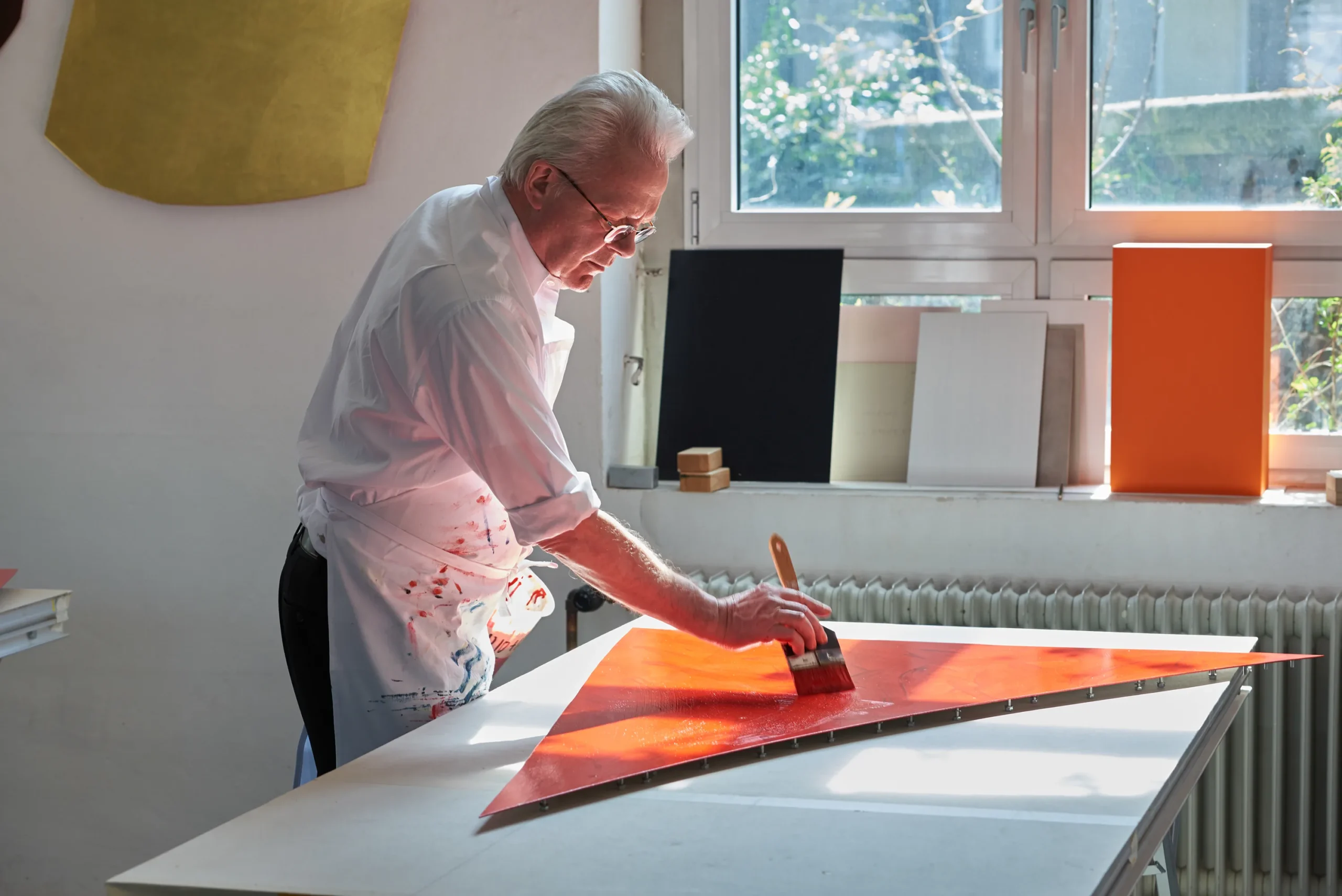
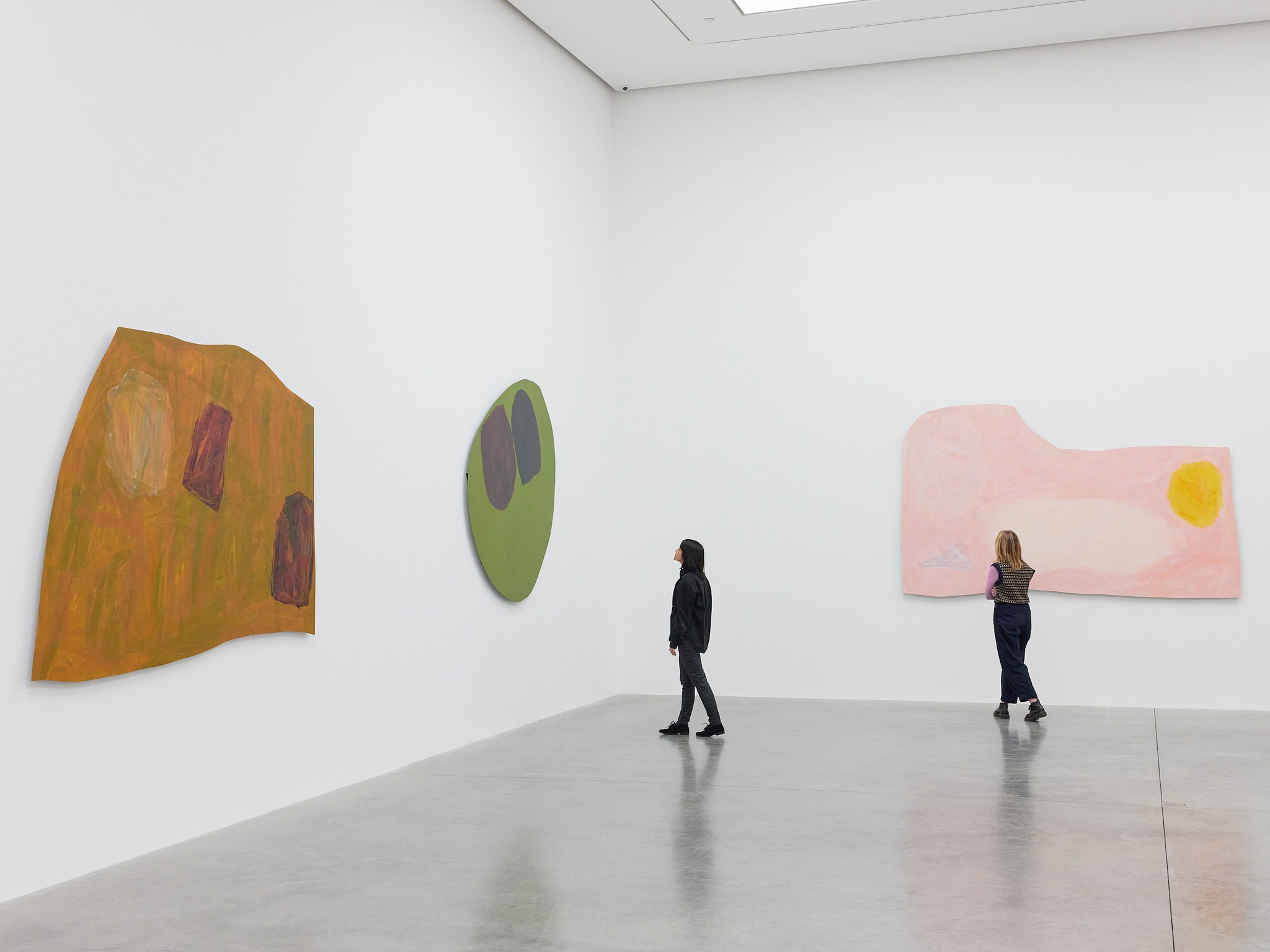
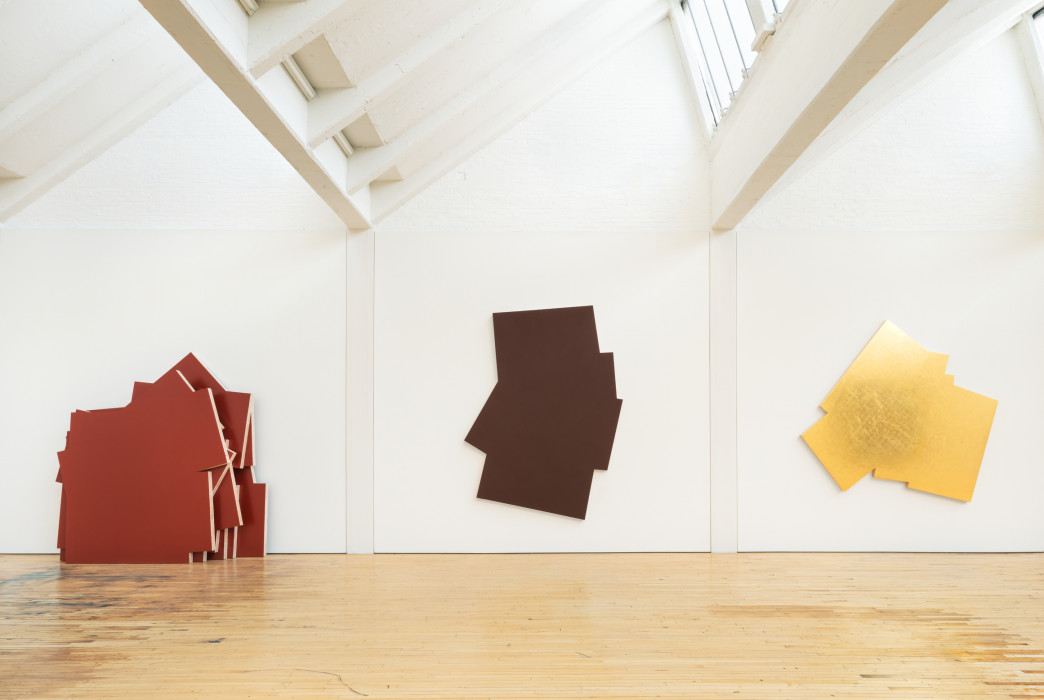
Imi Knoebel (b. 1940, Dessau, Germany) works with painted panels, modular forms, and industrial materials to explore the relationship between colour, shape, and spatial arrangement. His practice draws on Constructivist and Minimalist principles, often using repetition and variation to test how simple geometric elements can generate complex visual structures.
Sol LeWitt
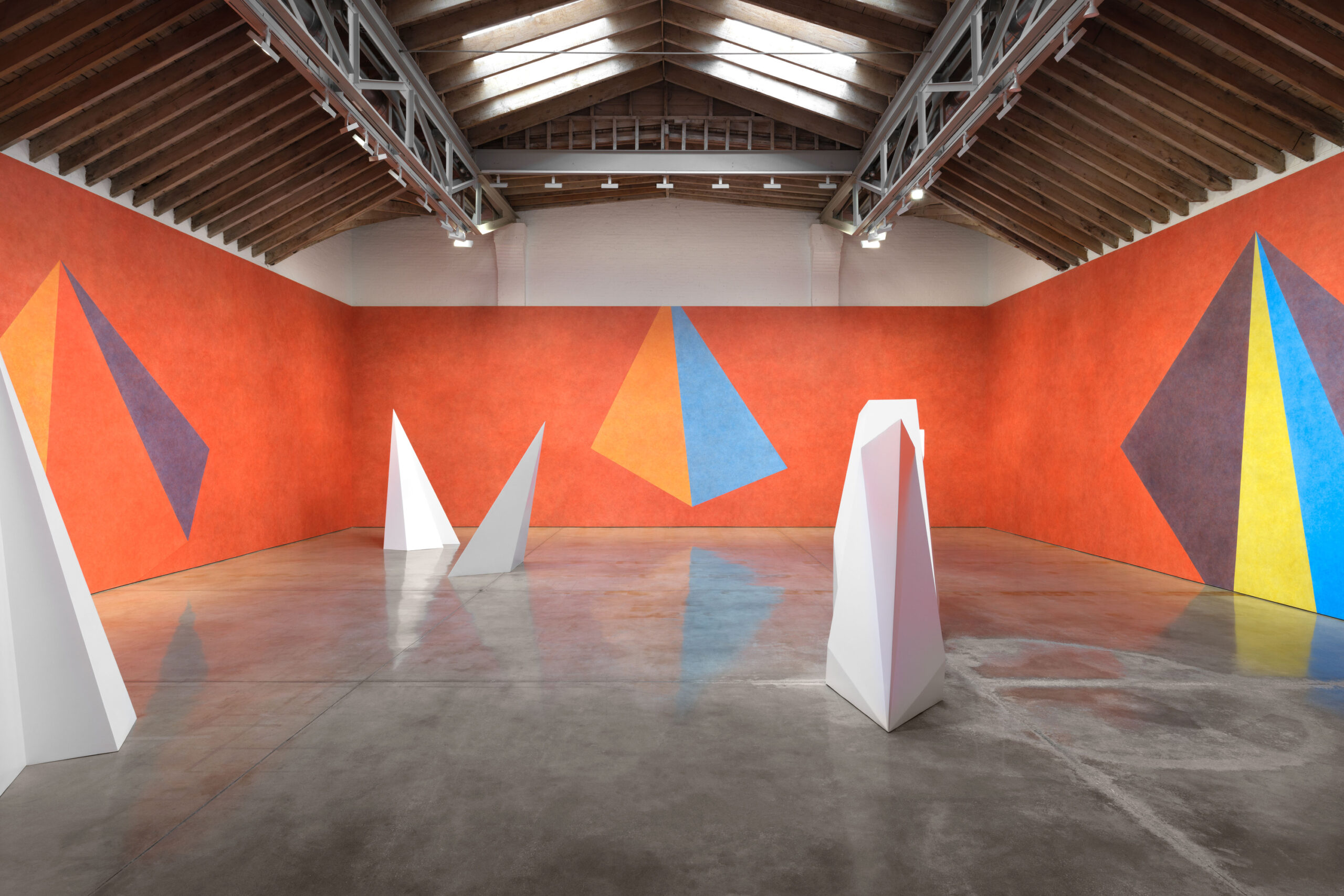
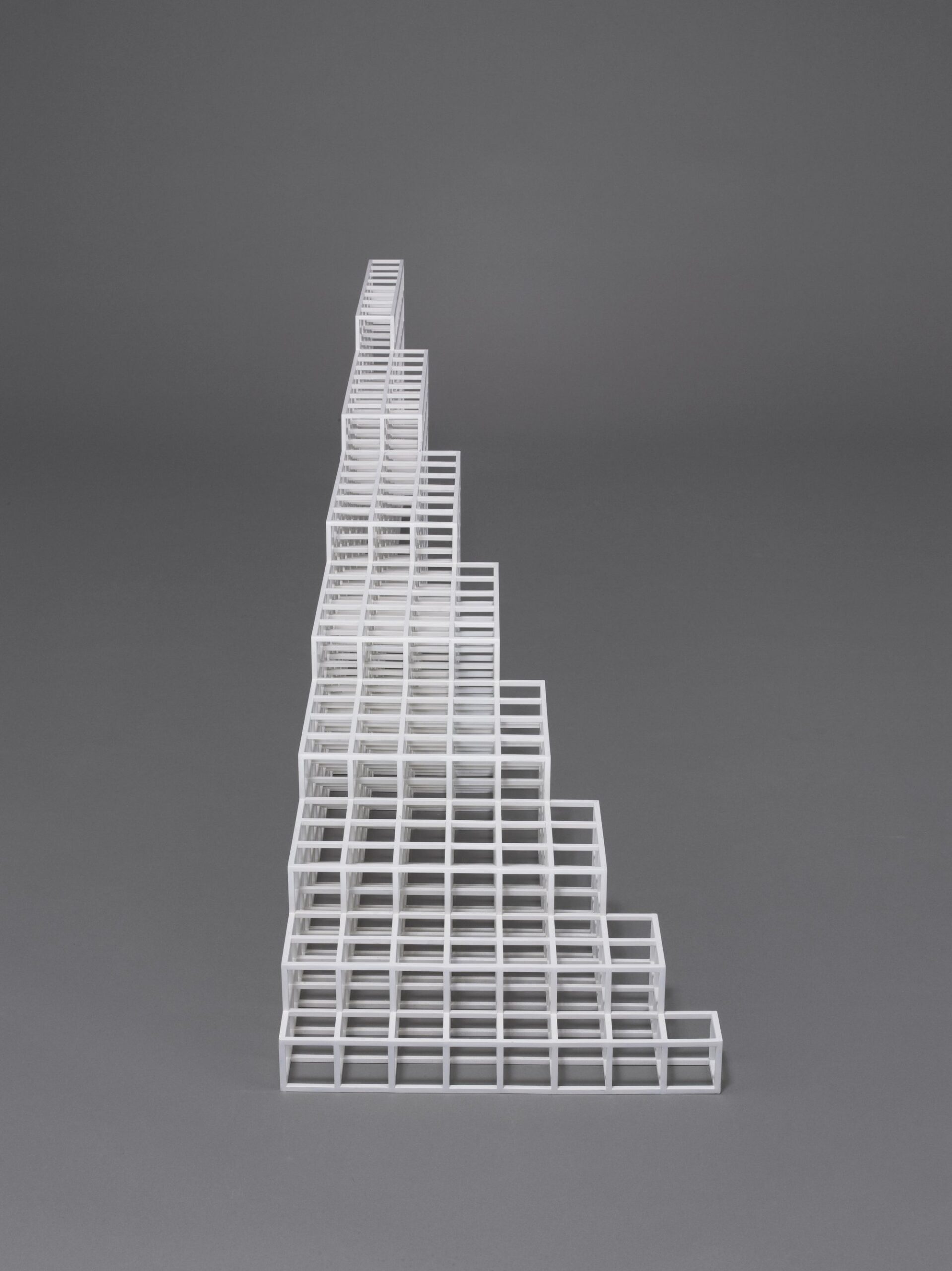
Sol LeWitt (b. 1928, Hartford, Connecticut – d. 2007, New York, New York, United States) introduced instruction-based wall drawings and modular “structures” grounded in serial and geometric systems. His work emphasises the primacy of the idea and follows strict procedural logic, forming a key bridge between Minimalism and Conceptual art.

Robert Mangold
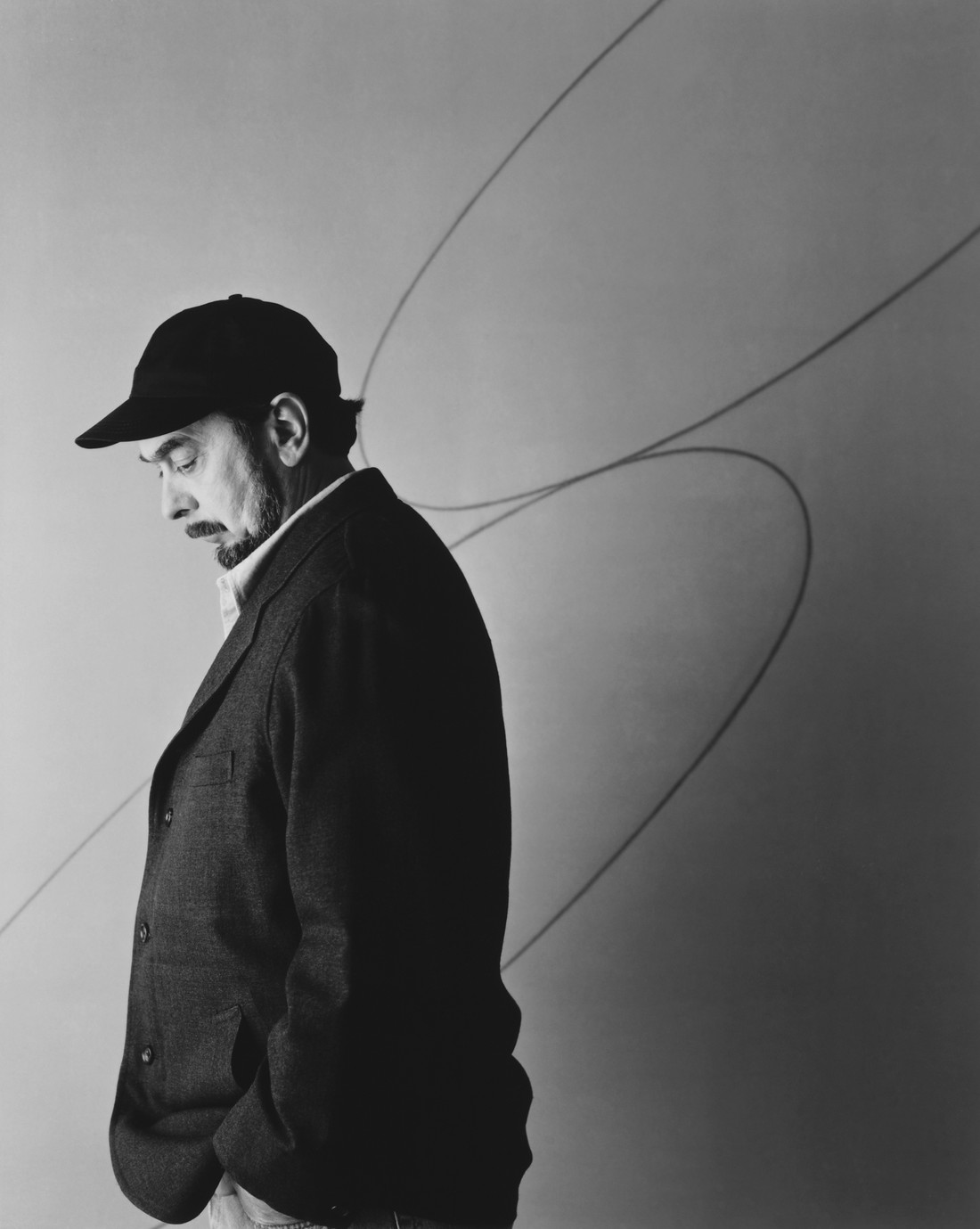
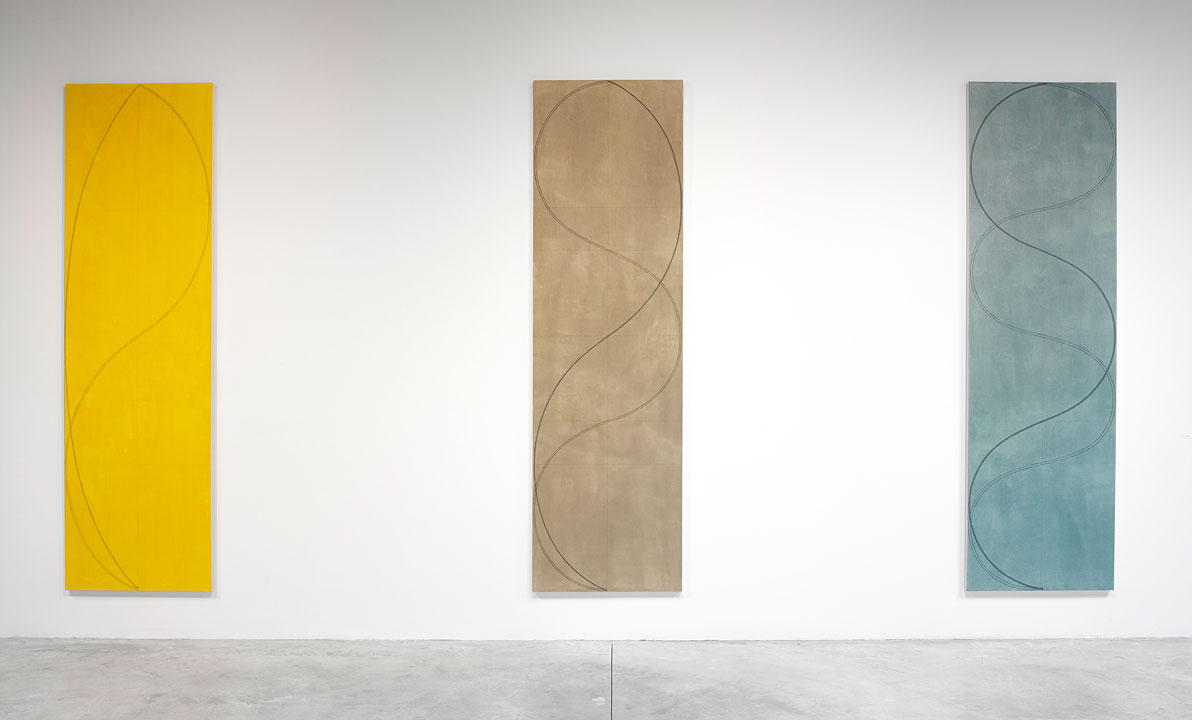
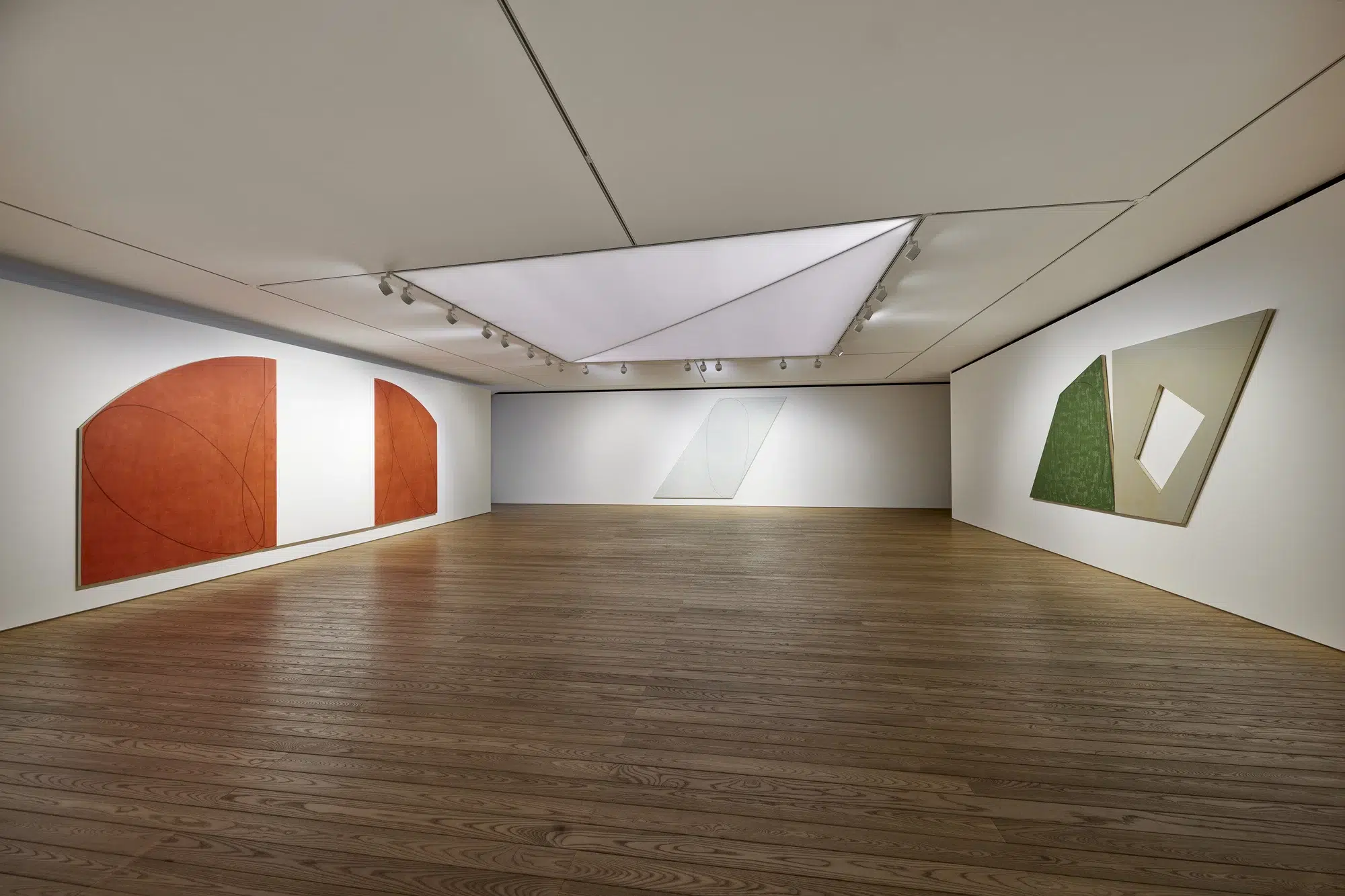
Robert Mangold (b. 1937, North Tonawanda, New York, United States) creates shaped canvases and geometric compositions often combined with hand-drawn lines. His practice explores the relationship between form, proportion, and the architecture of the picture plane.
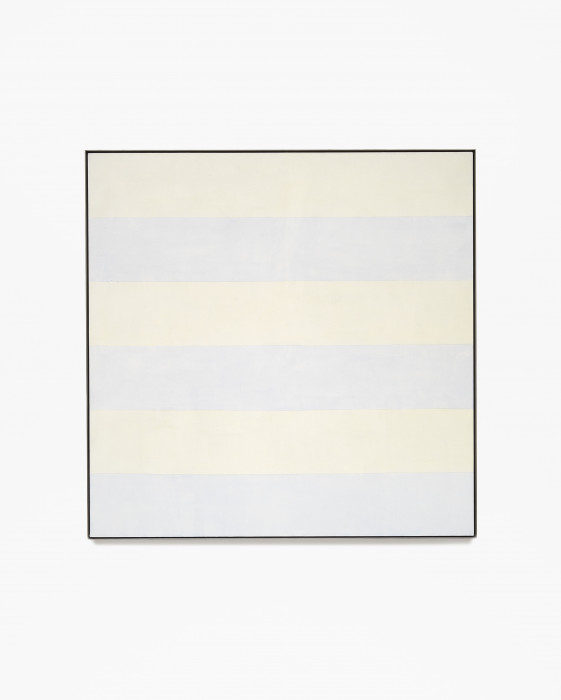
Agnes Martin
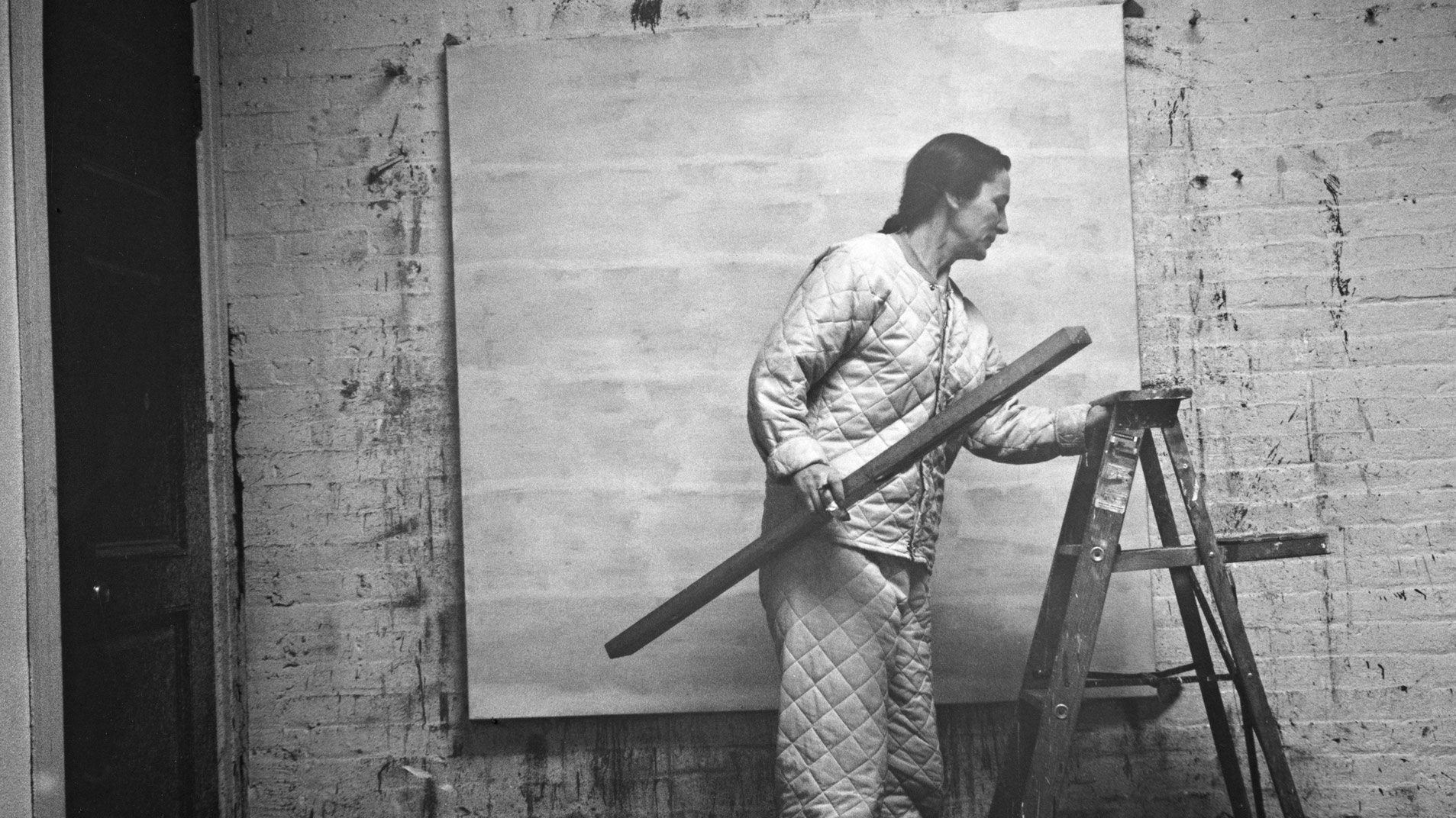
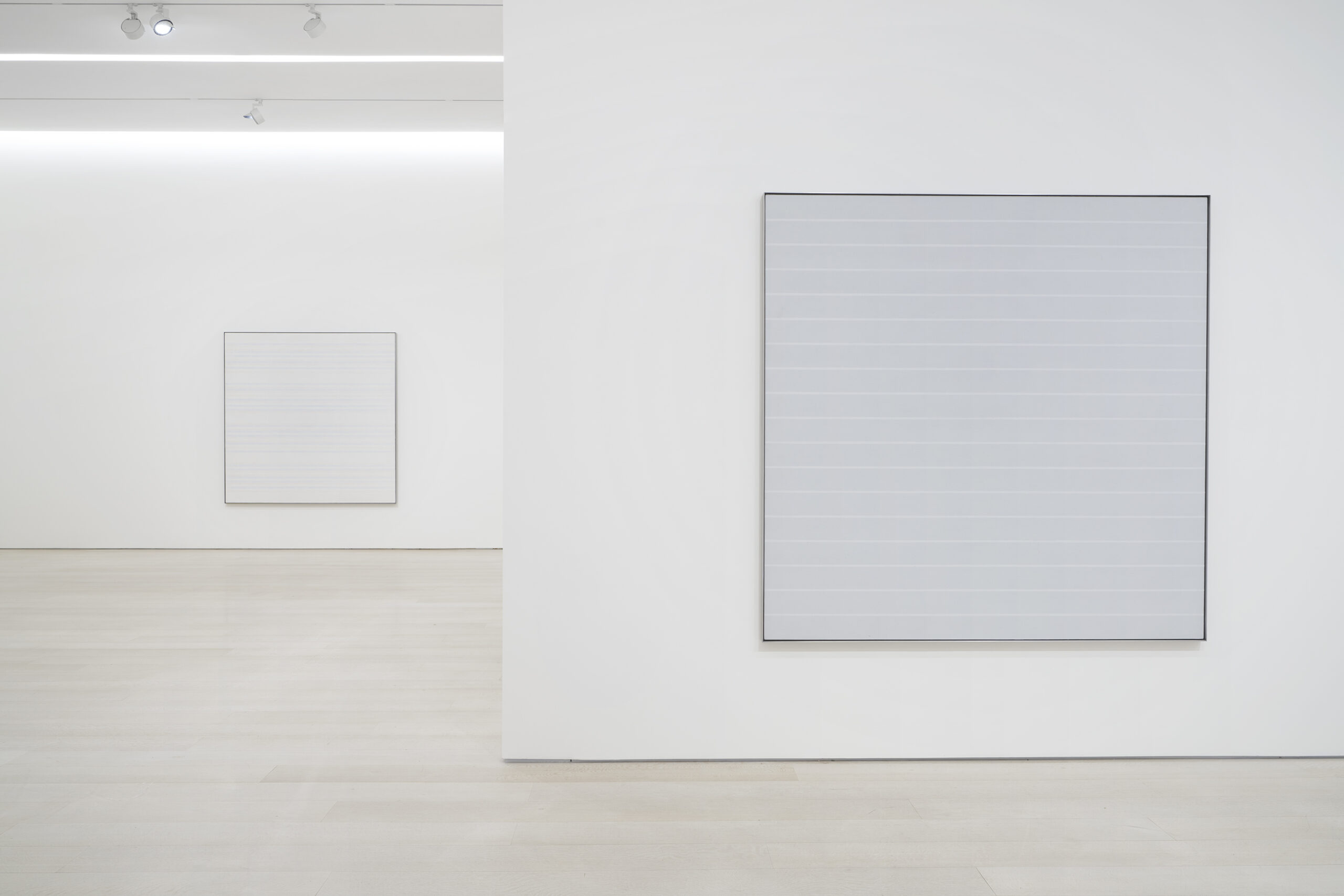
Agnes Martin (b. 1912, Macklin, Canada – d. 2004, Taos, New Mexico, United States) produced paintings characterised by faint grids, soft washes, and subtle tonal variation. Her work is marked by restraint and regularity, creating surfaces that emphasise order, repetition, and quiet perceptual experience.
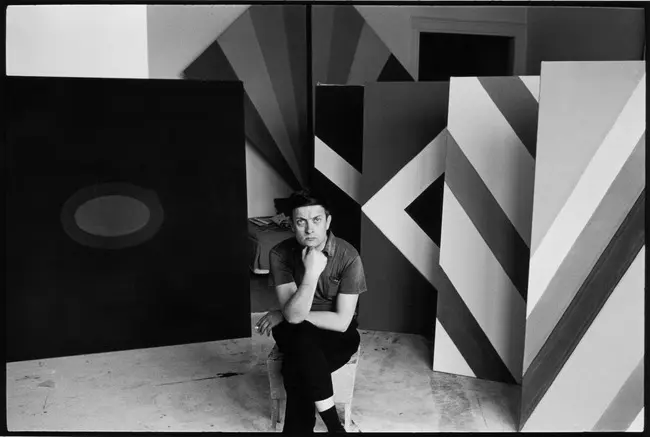
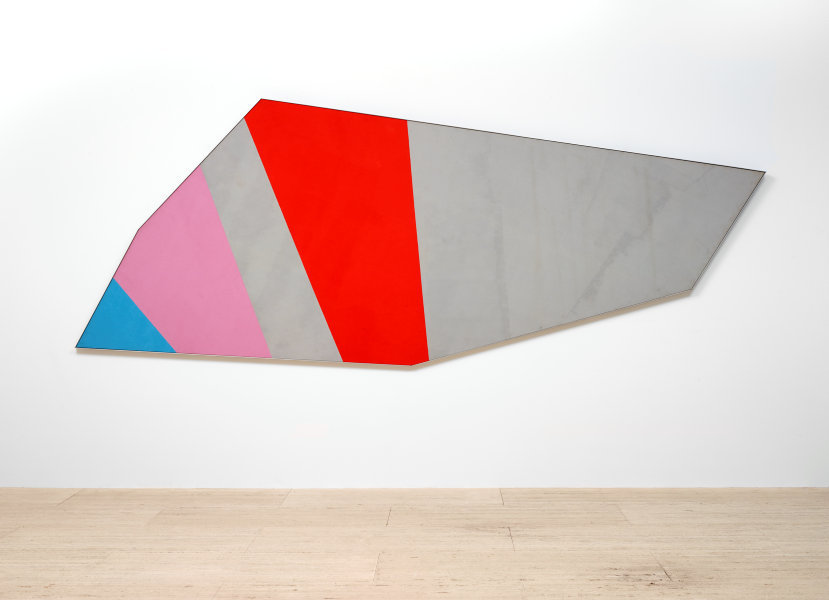
Kenneth Noland
Kenneth Noland (b. 1924, Asheville, North Carolina – d. 2010, Port Clyde, Maine, United States) was a leading figure of the Washington Color School, known for concentric circles, chevrons, and horizontal stripes. His practice uses colour as the primary structural element, applied through staining techniques that eliminate gesture.

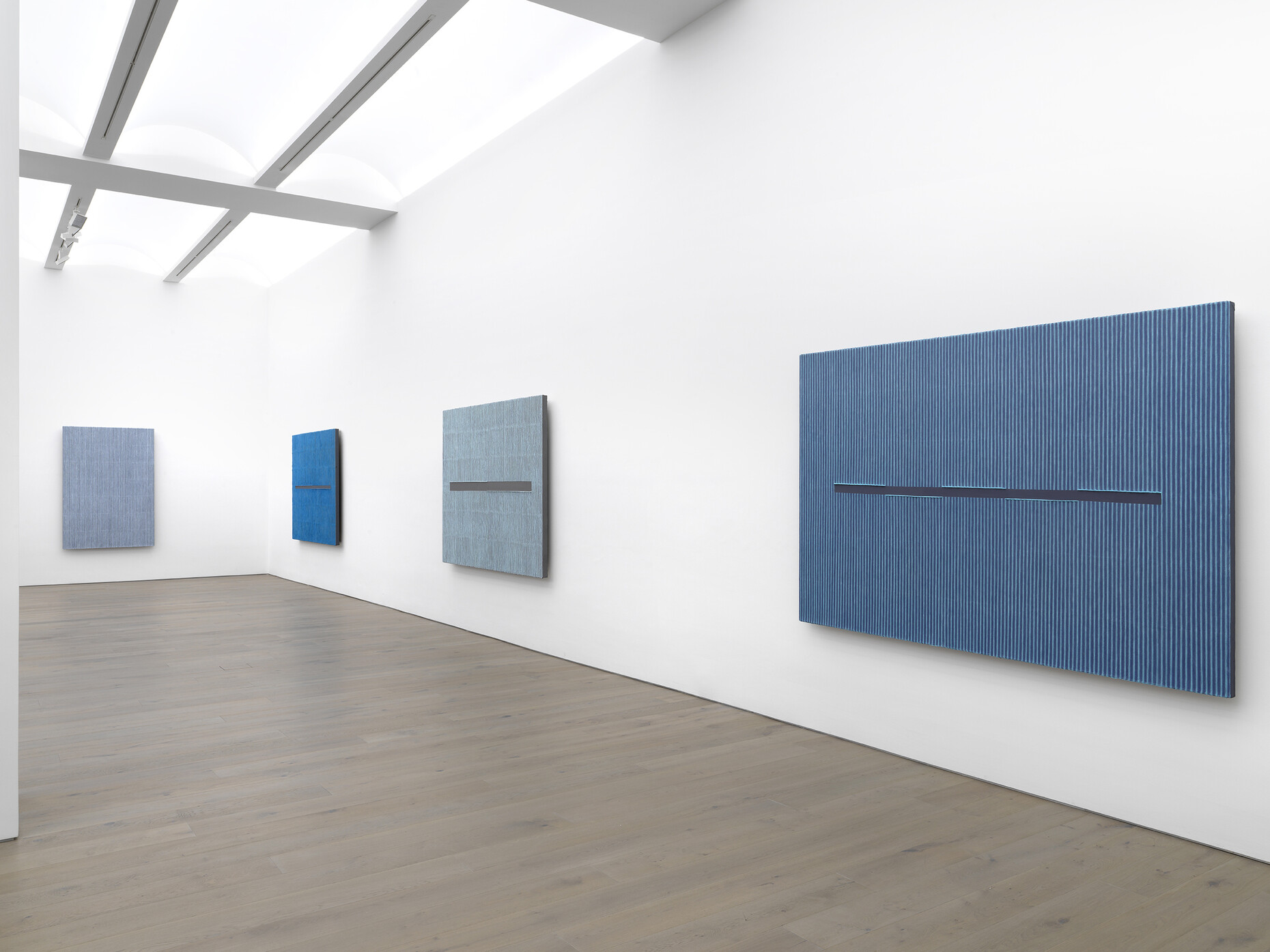
Park Seo-Bo
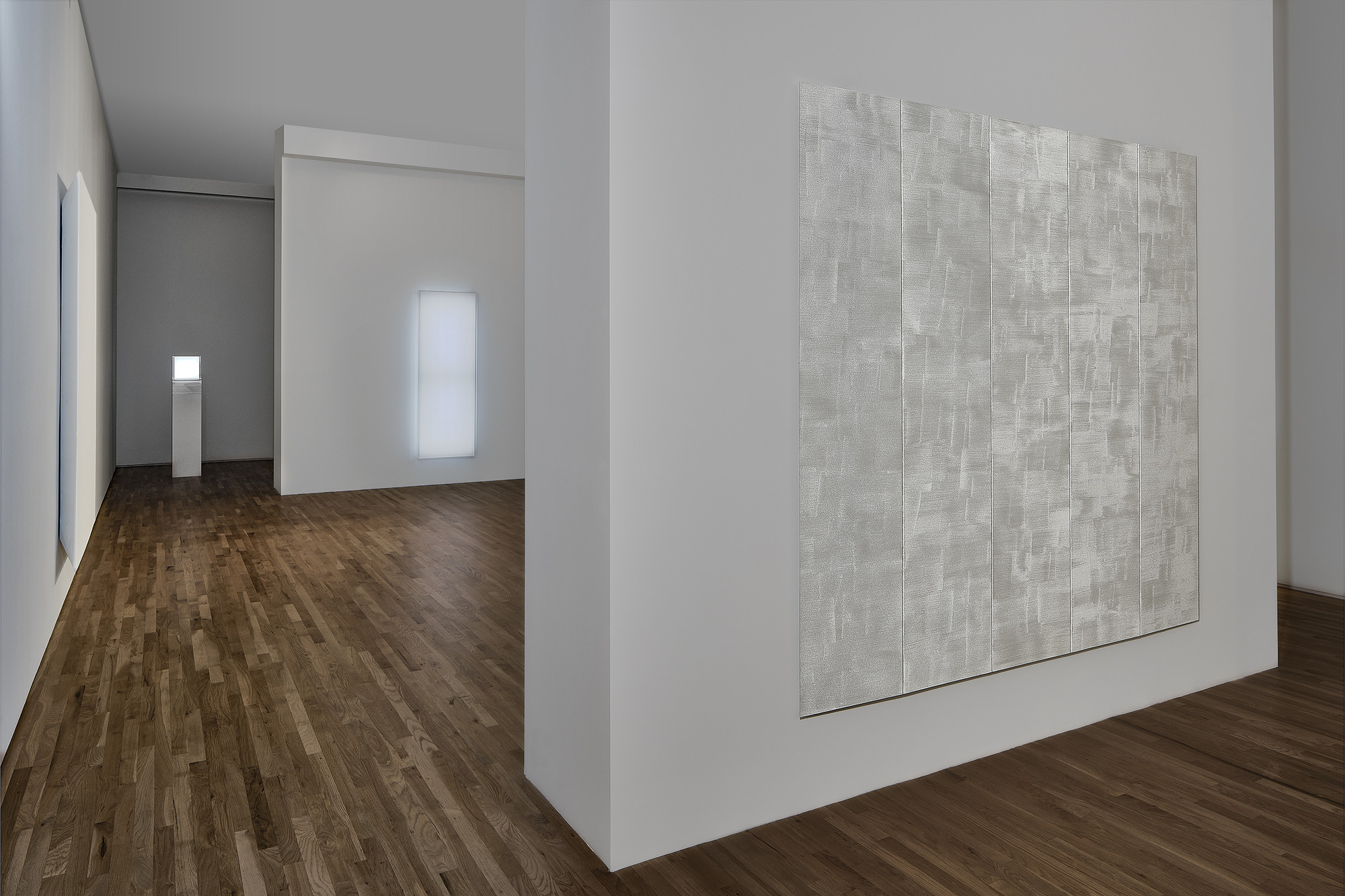
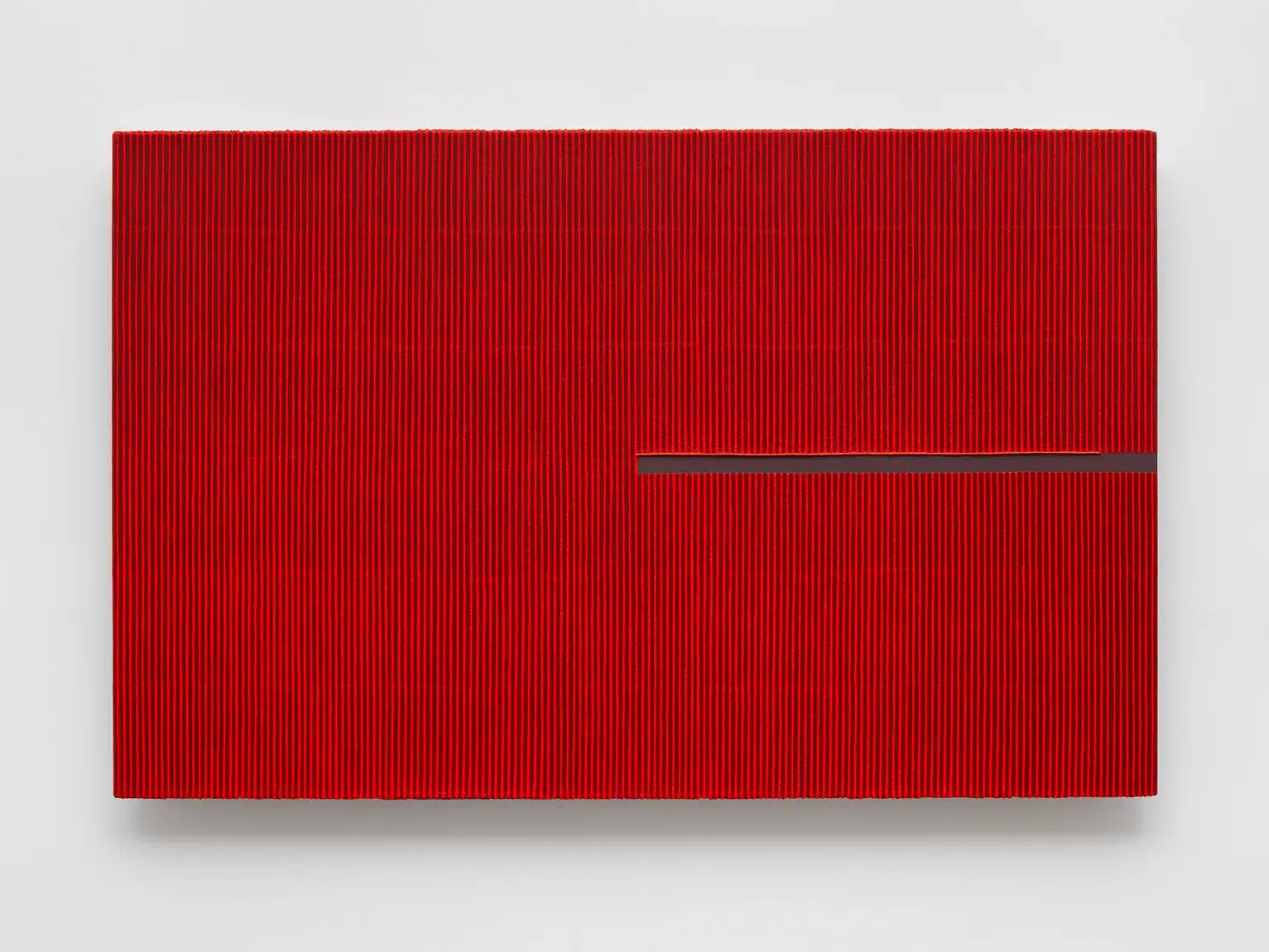
Park Seo-Bo (b. 1931, Yecheon – d. 2023, Seoul, South Korea) developed the Écriture series, in which repeated pencil marks or layered pigments are pressed into wet surfaces to create rhythmic, meditative textures. His work emphasises process, repetition, and material discipline, contributing significantly to the history of Dansaekhwa and its Minimalist affinities.

Robert Ryman
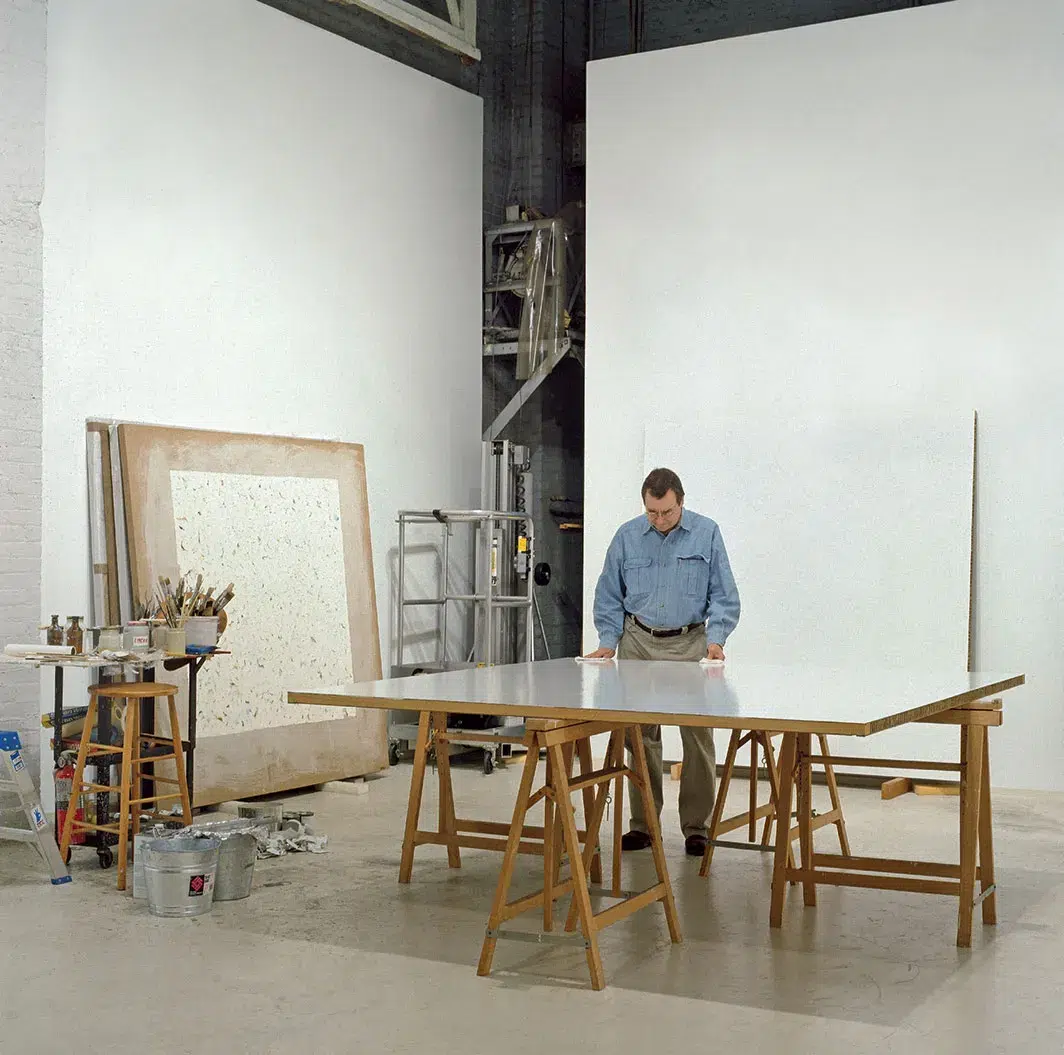
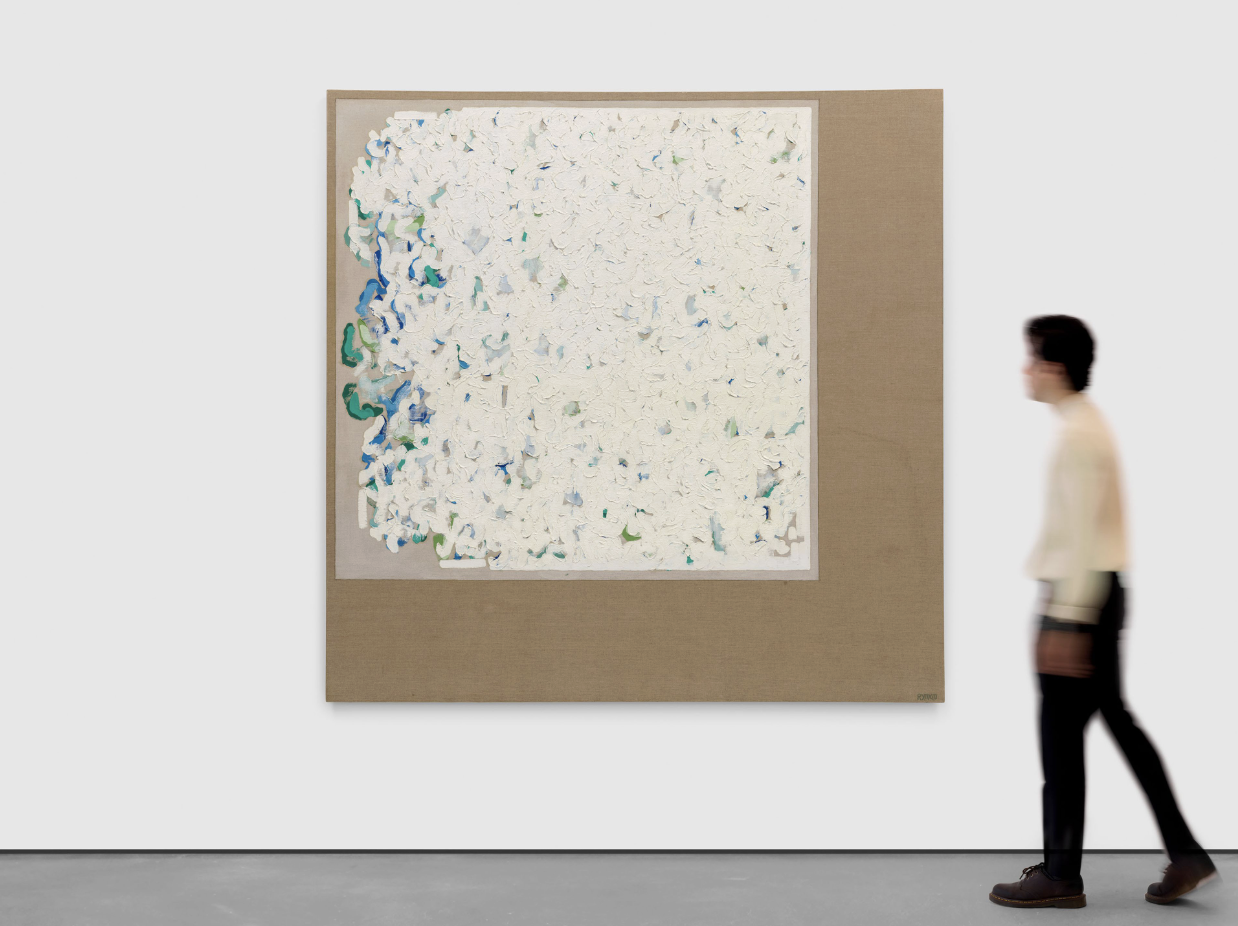
Robert Ryman (b. 1930, Nashville, Tennessee – d. 2019, Greenwich Village, New York, United States) concentrated almost exclusively on white paint and the mechanics of the painted surface. His work examines supports, fastenings, brushstrokes, and edges, using minimal means to foreground the physical components of painting.
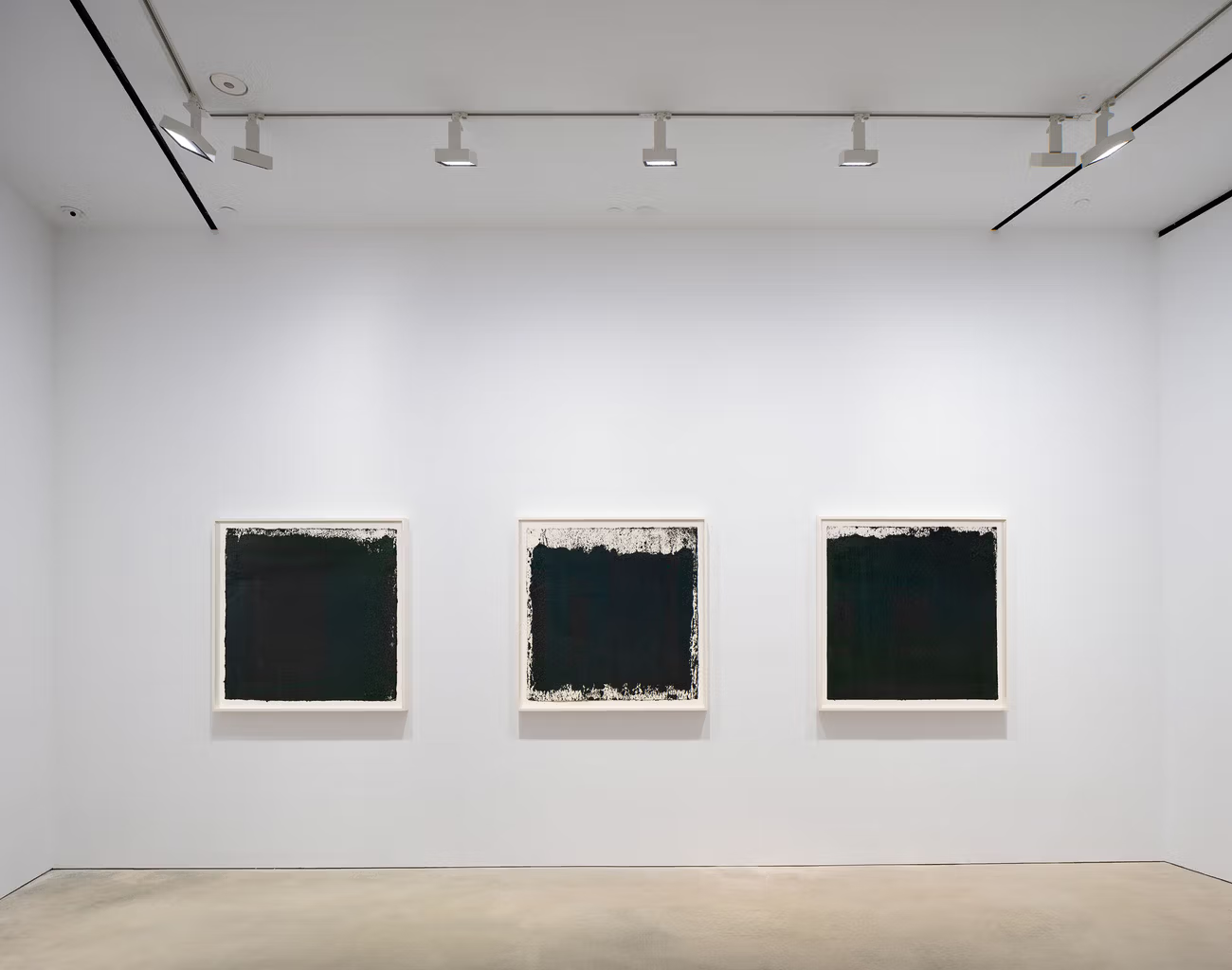
Richard Serra
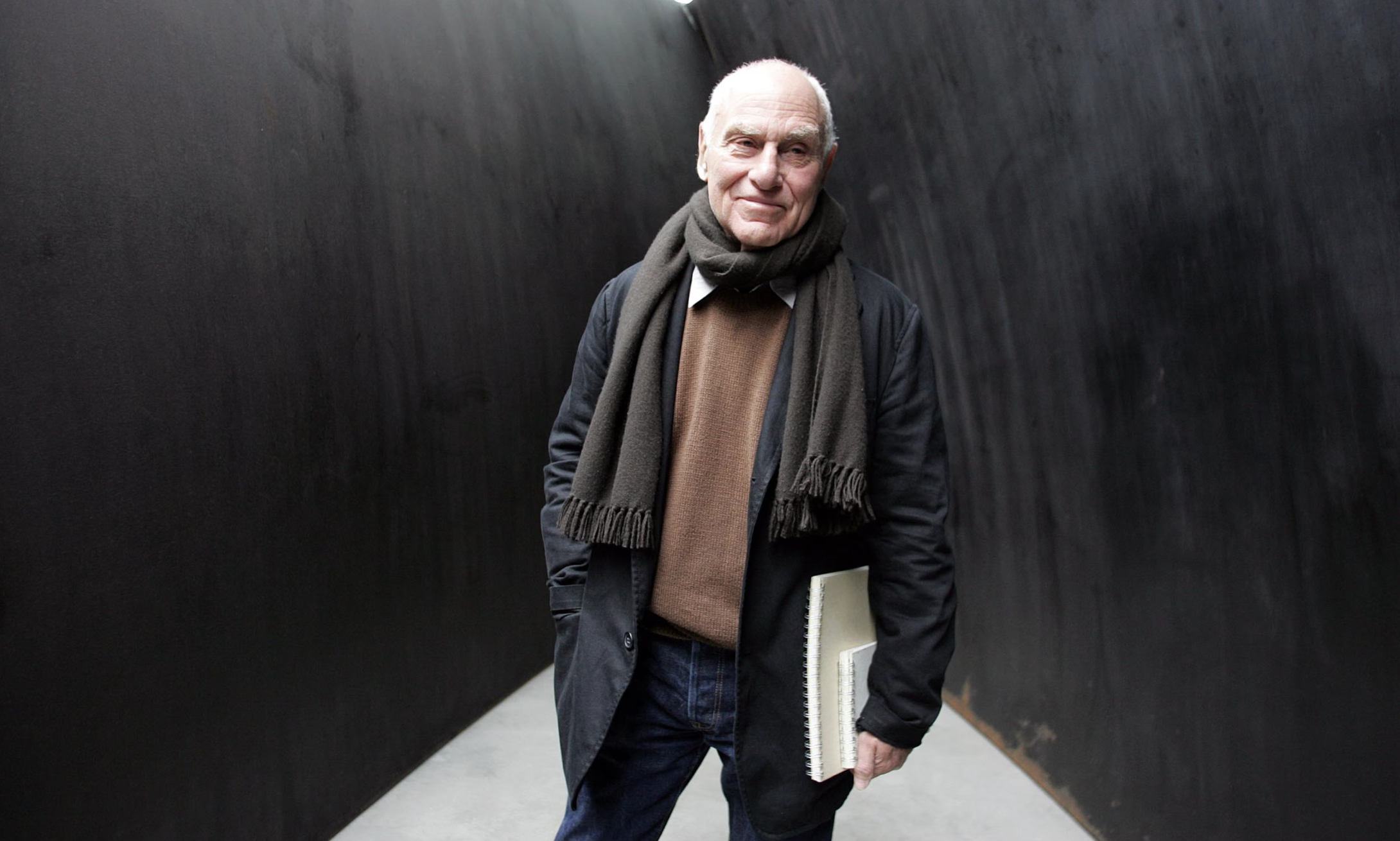
Richard Serra (b. 1938, San Francisco, California – d. 2024, Orient, New York, United States) developed large-scale steel sculptures that explore balance, weight, and the viewer’s movement through space. His torqued ellipses, rolled steel plates, and site-specific installations draw on industrial materials to create environments defined by gravity, scale, and bodily orientation.

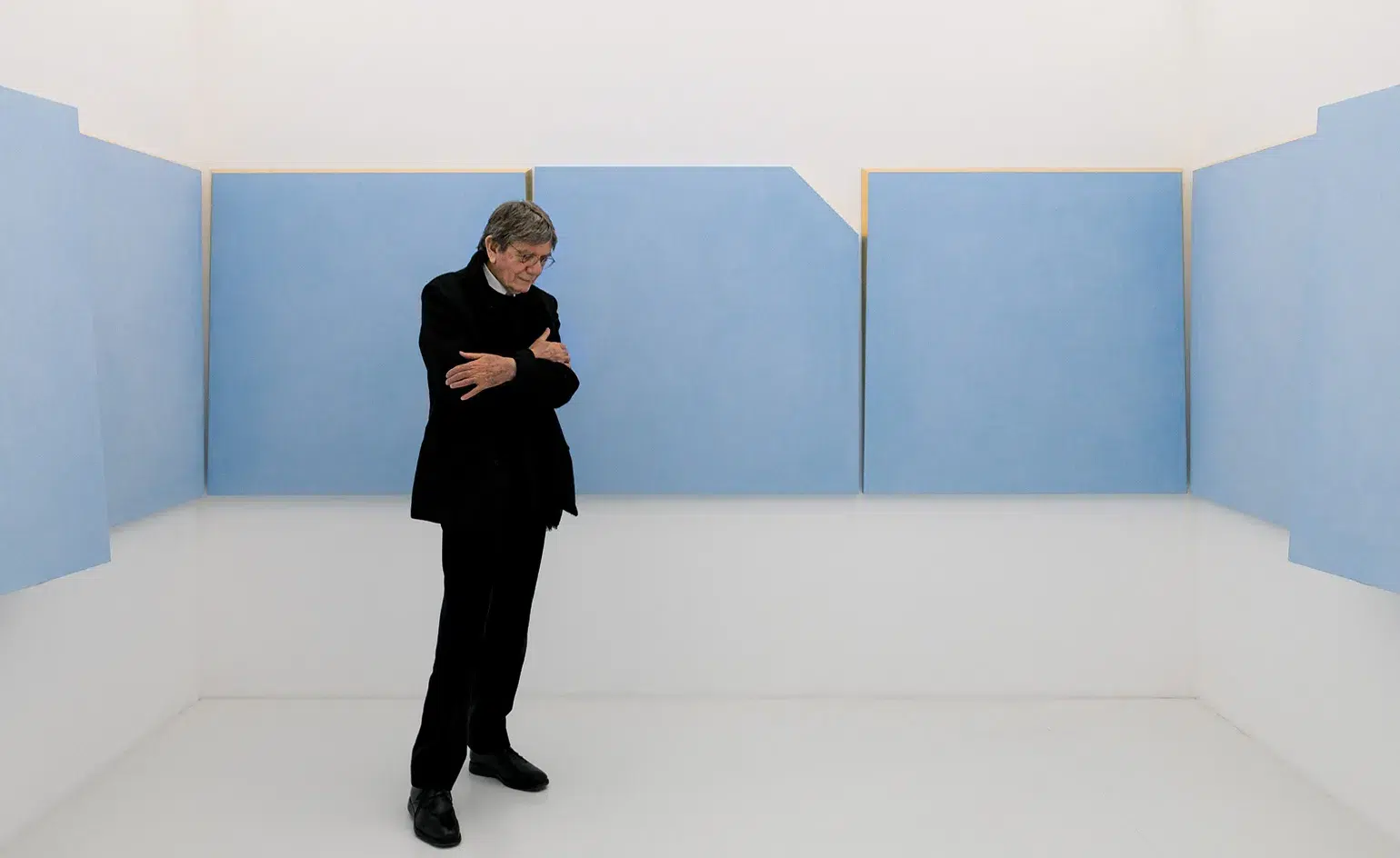
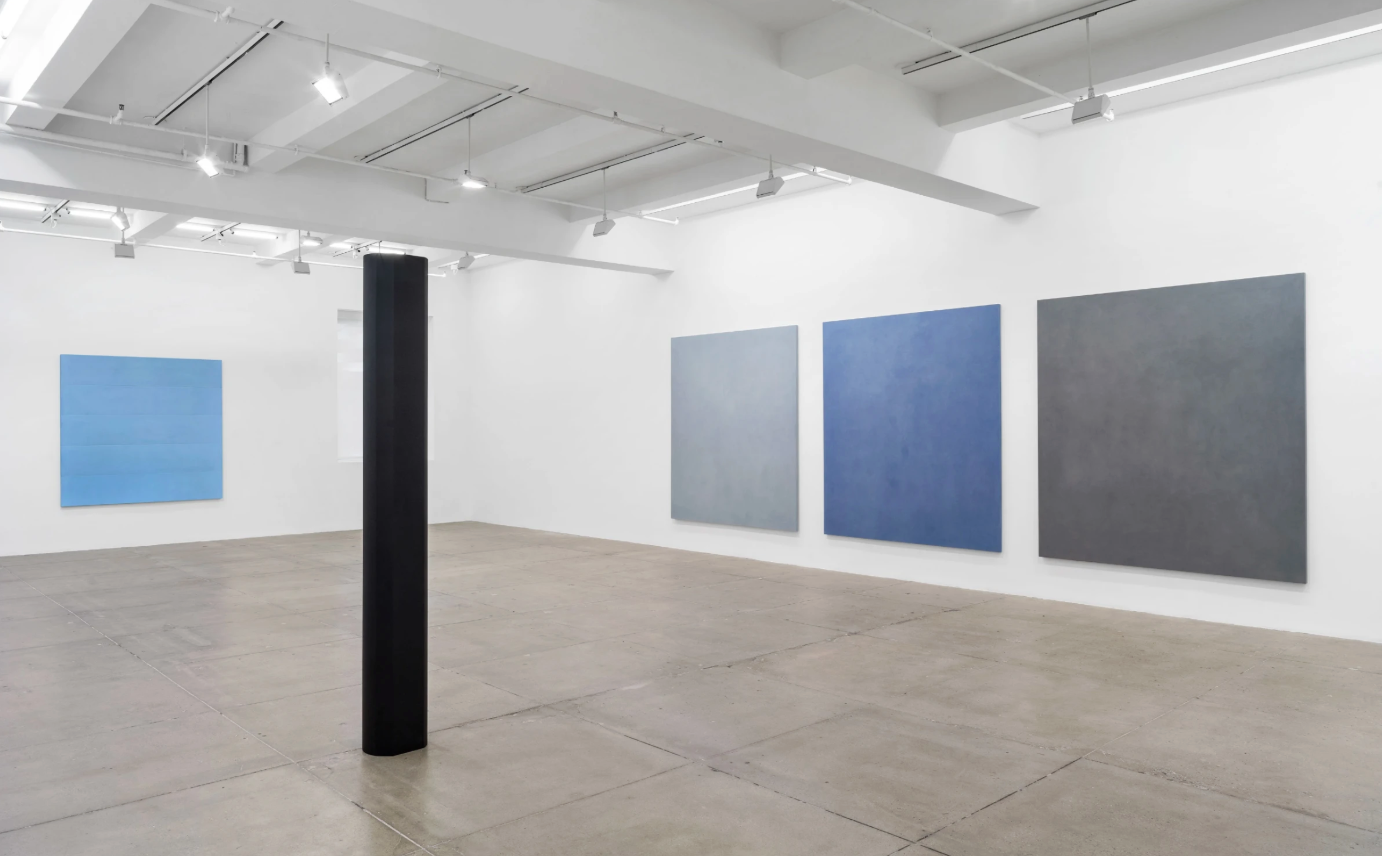
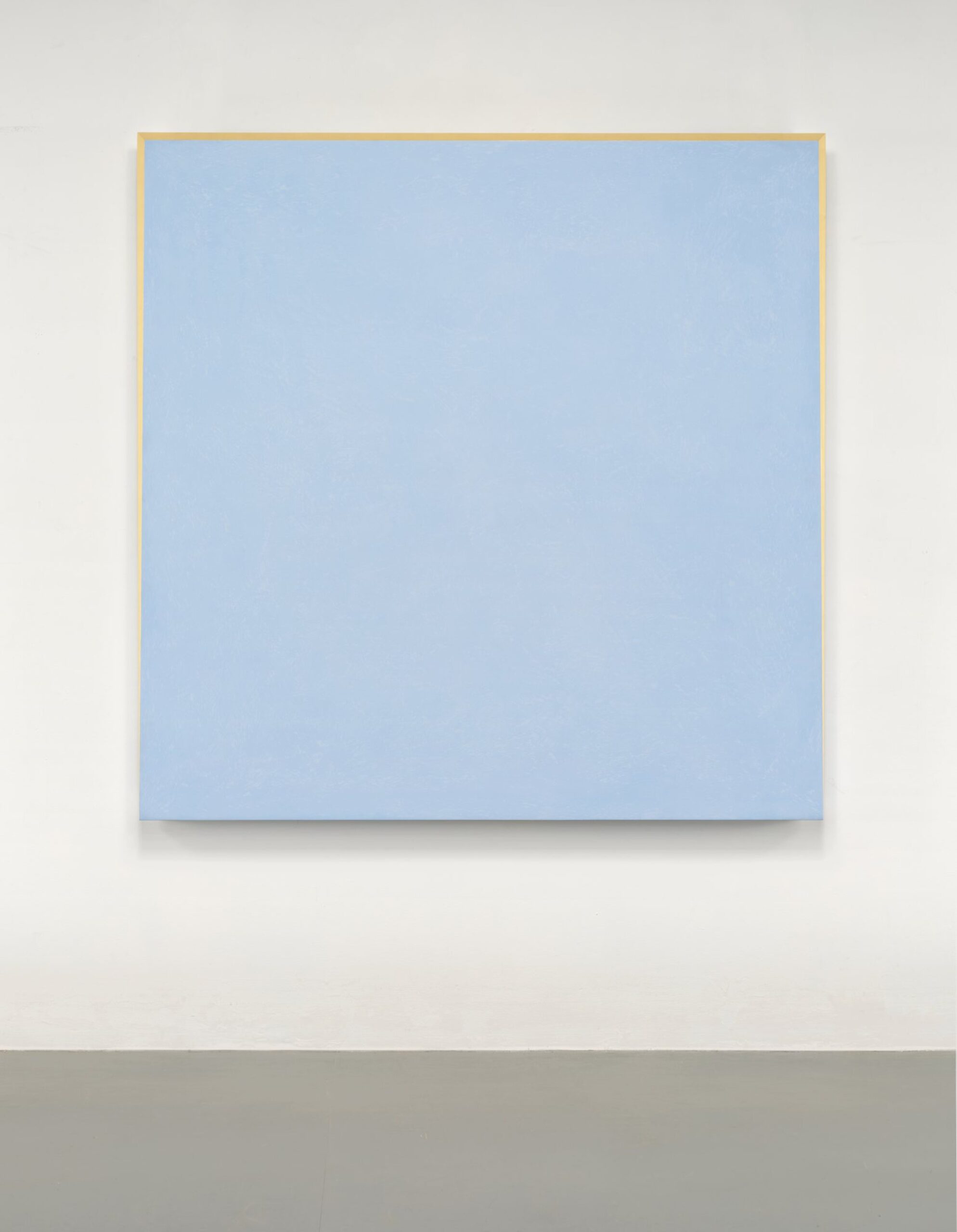
Ettore Spalletti
Ettore Spalletti (b. 1940, Cappelle sul Tavo – d. 2019, Spoltore, Italy) created monochrome paintings and sculptures in softly modulated hues that blur the boundary between surface and volume. His practice relies on a slow, layered application of pigment and plaster, generating works where colour becomes a spatial and atmospheric presence.
Mexico City Now: Artists, Galleries, and the Pulse of a Global Art Capital
Mexico City Now: Artists, Galleries, and the Pulse of a Global Art Capital
From Tradition to Form: Mexico’s Design Landscape Today