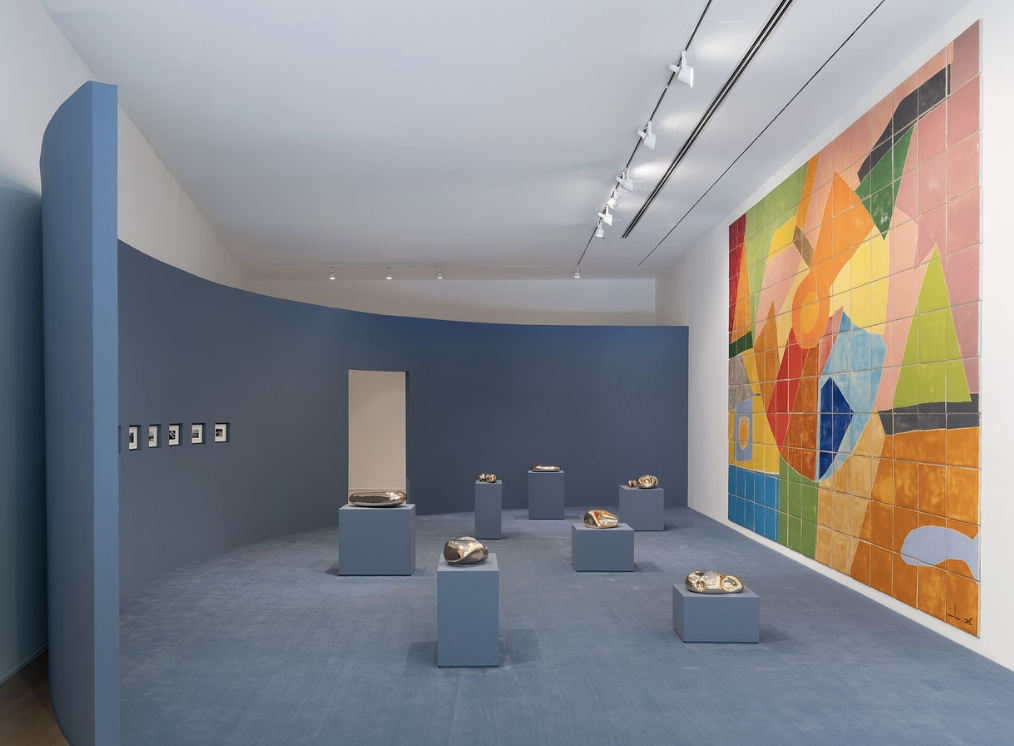
From Tradition to Form: Mexico’s Design Landscape Today

Mexico has increasingly emerged as a key hub for contemporary design, shaped by a growing network of designers and galleries working across the country. This development reflects a design culture grounded in material research, local production, and a sustained dialogue between tradition and contemporary practice. Designers working in Mexico often engage directly with organic and locally available materials such as wood, clay, stone, textiles, and metal. Many practices draw on regional craft traditions and Indigenous fabrication knowledge, reinterpreting them within contemporary contexts while maintaining close relationships with workshops, artisans, and production sites.
Alongside talented individual designers, design galleries have played a central role in shaping the scene. By commissioning new work, supporting limited-edition production, and presenting design within an exhibition framework, these spaces have contributed to a clearer positioning of Mexican and Mexico-based design.
This article spotlights a selection of leading designers and galleries, showcasing why Mexico’s design scene deserves global attention.
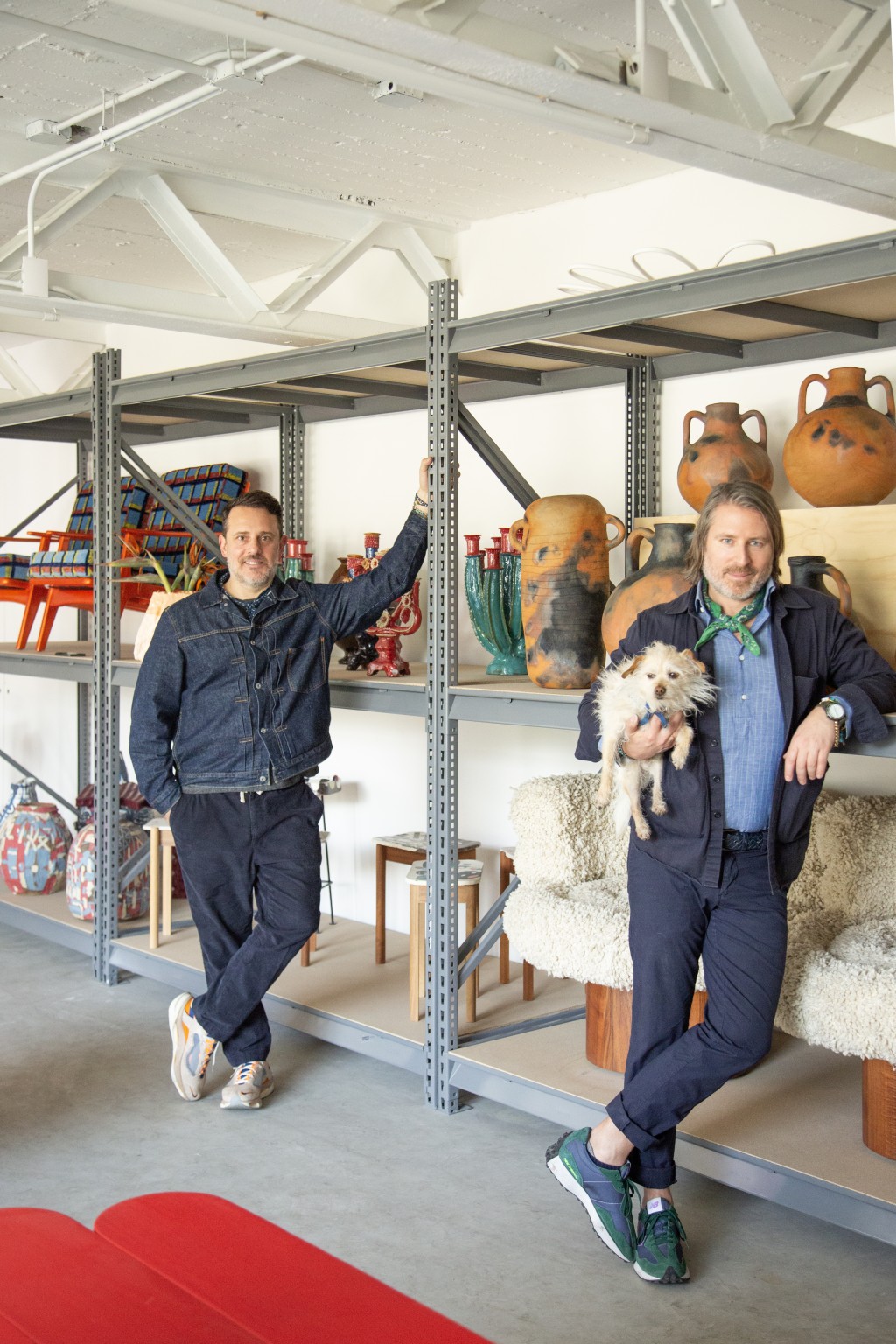
AGO Projects is a design-focused practice and designer representation platform founded by Rudy F. Weissenberg and Rodman Primack. Based in the creative hubs of Mexico City and New York, the platform is committed to nurturing exceptional design voices through experimental approaches, critical dialogue, and cross-cultural perspectives. It also serves as a collaborative environment where artists and designers can realize projects of any scale, encouraging innovation and creative exploration. AGO Projects has become a driving force in the growth of the design scene, fostering a strong sense of community and collaboration. Among the talent they represent are some of the country’s leading designers, including Pol Agustí and Federico Stefanovich, whose work will be discussed in more detail in this article.
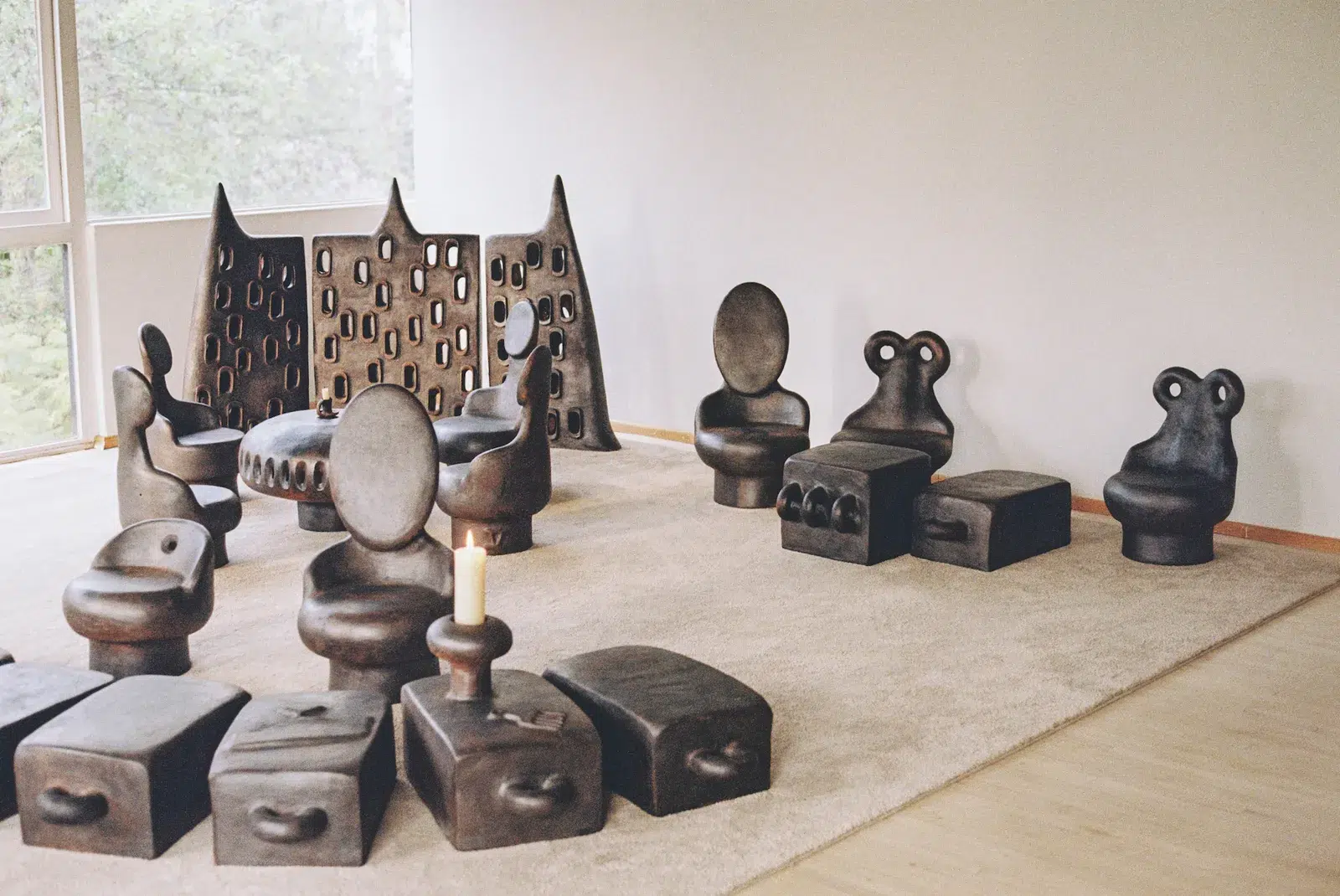
Originally from Barcelona, Pol Agustí is a designer based in Mexico City whose practice centres on black ceramic furniture and objects produced in the Mexican countryside. He is represented by Ago Projects. Twelve years ago, Agustí moved to Mexico after working across diverse fields including industrial design, art direction, production design, and photography, a multidisciplinary background that continues to inform his design approach. Working closely with local artisans, Agustí develops each collection through extended periods of shared living and making, using only three tools throughout the entire production process. This highly constrained methodology results in tables, chairs, lamps, and sound objects that have similar voluptuous forms and smooth cold surface texture. The pieces are characterised by black finishes and monolithic shapes that recall incinerated totems. As Agustí has remarked about his designs: “They’re like an excavation on Mars.”
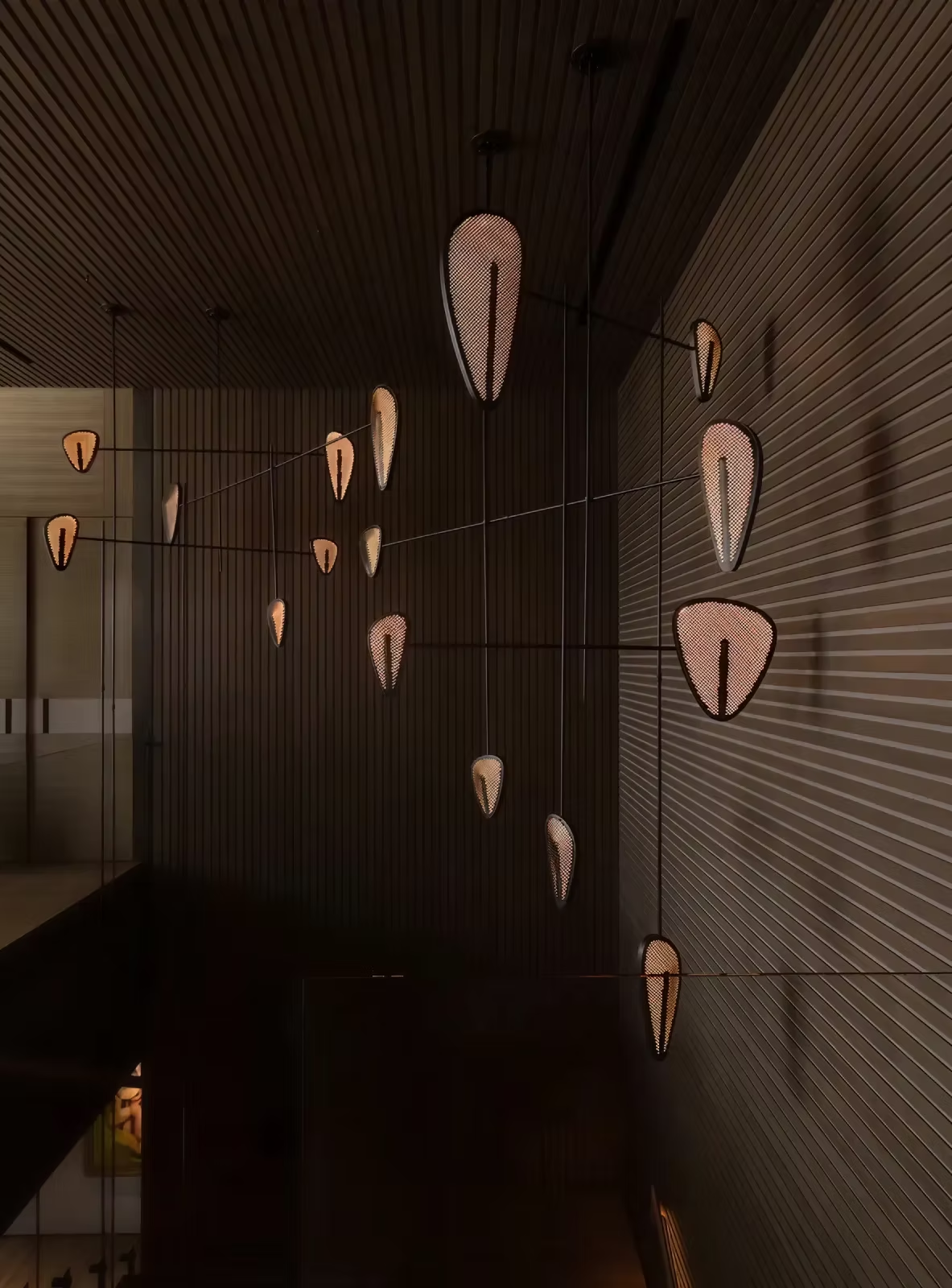
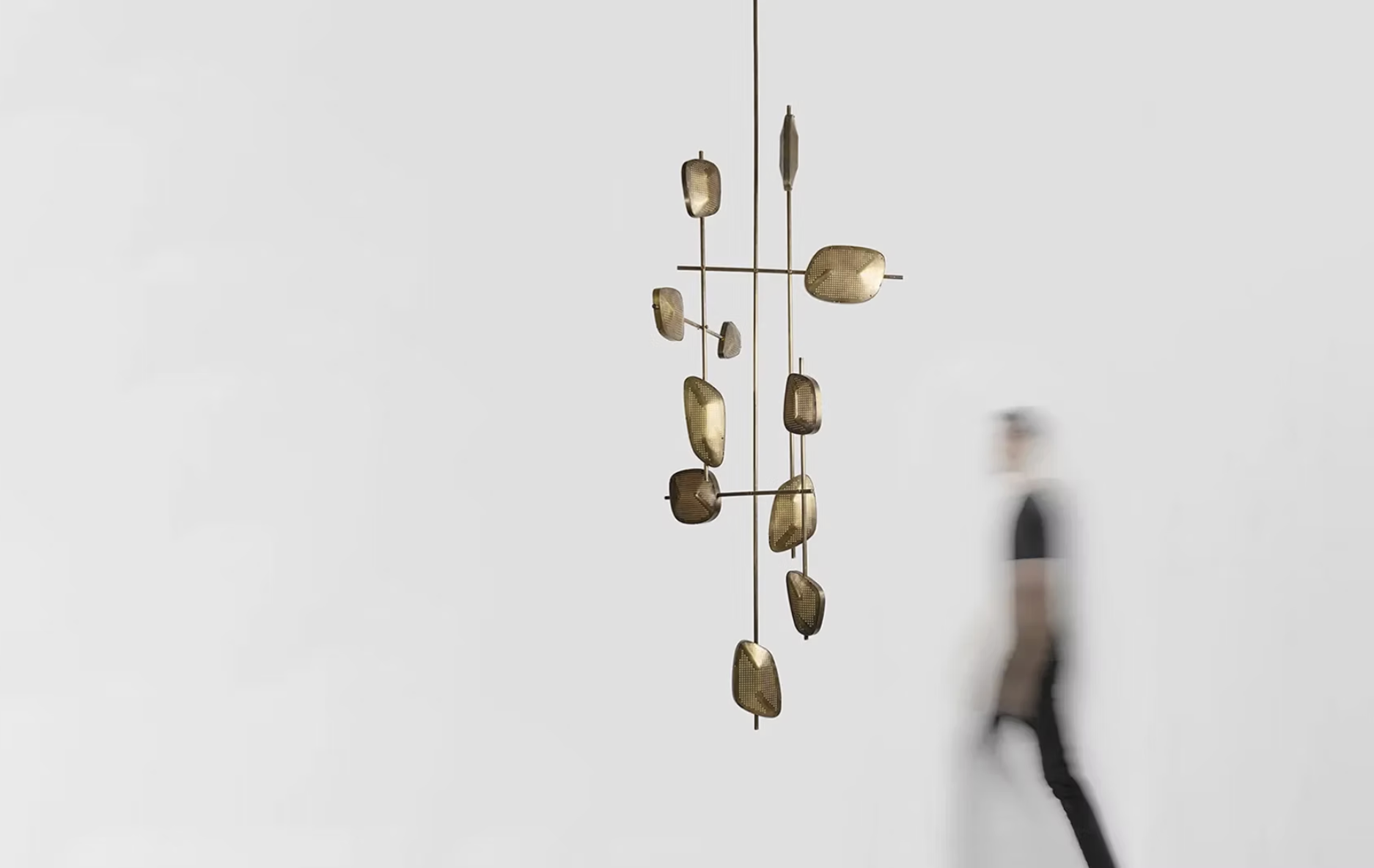
Federico Stefanovich is a Mexico City based designer whose practice centres on lighting, alongside furniture and collectable objects, and who is also represented by Ago Projects. Stefanovich combines digital design processes with artisanal production, collaborating closely with local craftsmen to produce hand-made works in materials such as brass, wood, and bronze. This hybrid approach allows his works to have precise formal compositions while maintaining a strong material and tactile quality. His design practice focuses on light, with many pieces often being inspired by plants, seeds, and fungi. These natural references inform the curves and proportions of his designs, with elements that appear to grow, branch, or unfold. His meticulous study of light and shadow, along with the nuanced interplay between controlled illumination and distinctive organic forms, transforms his lighting fixtures into works of art.
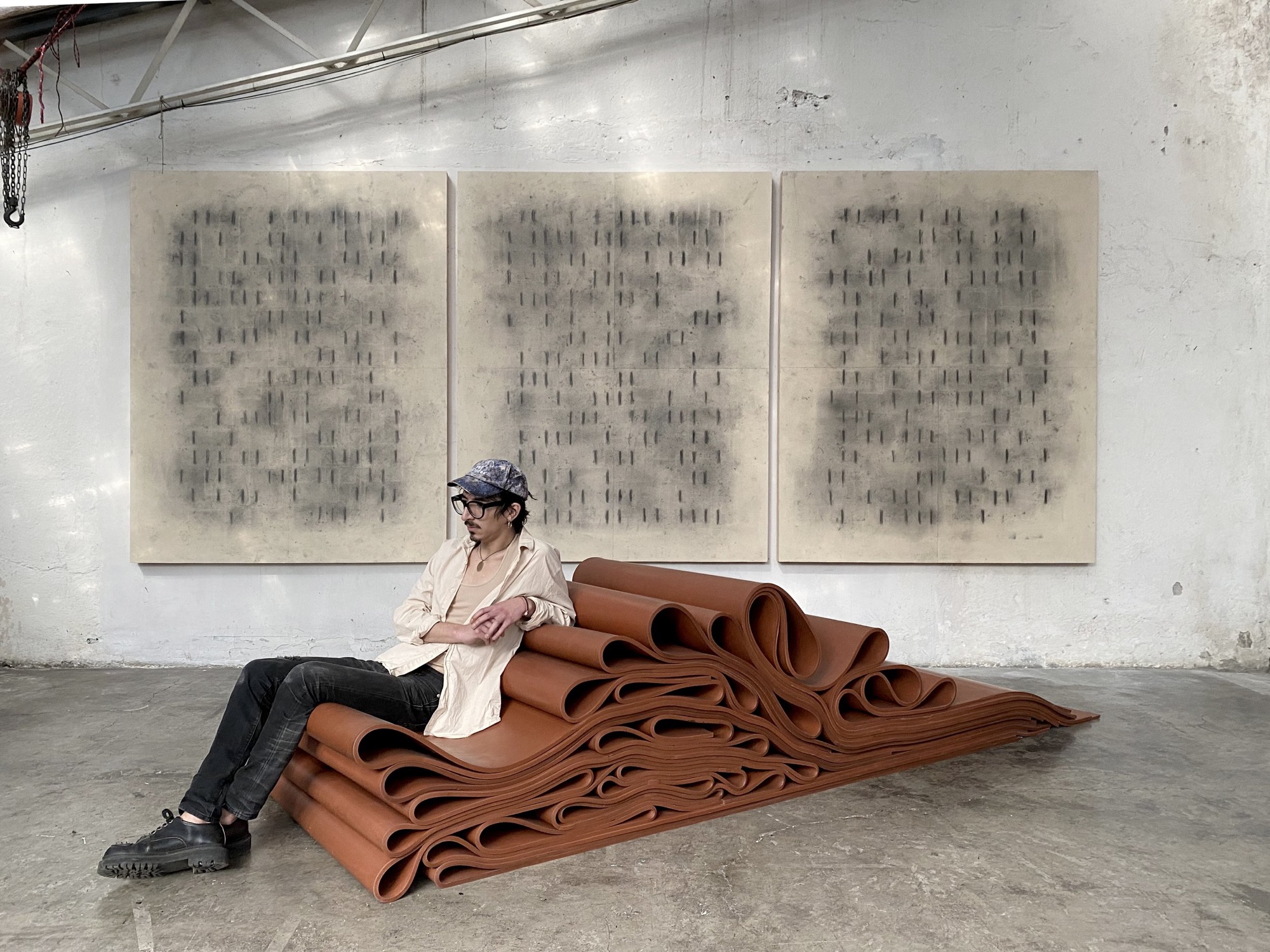
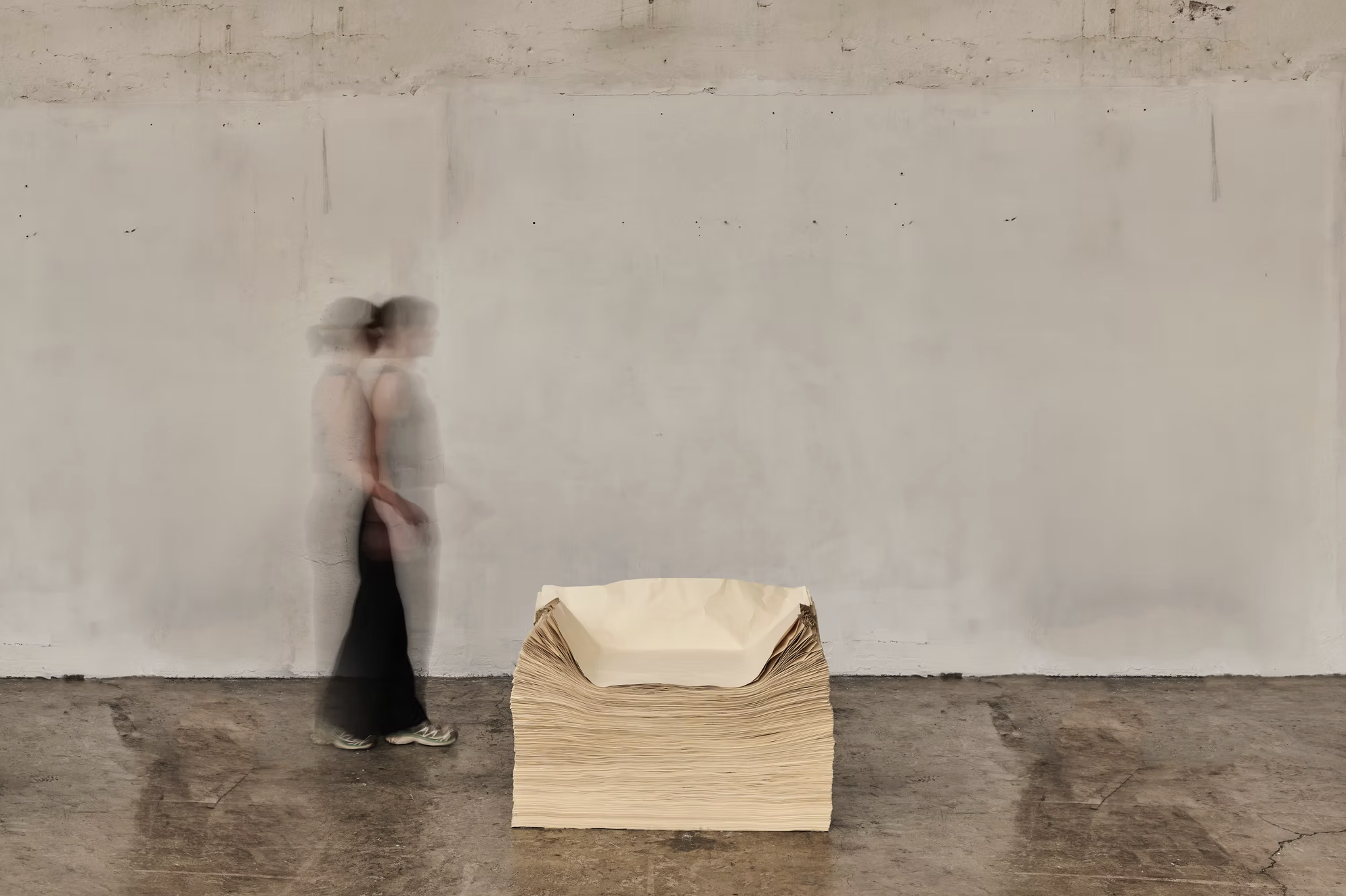
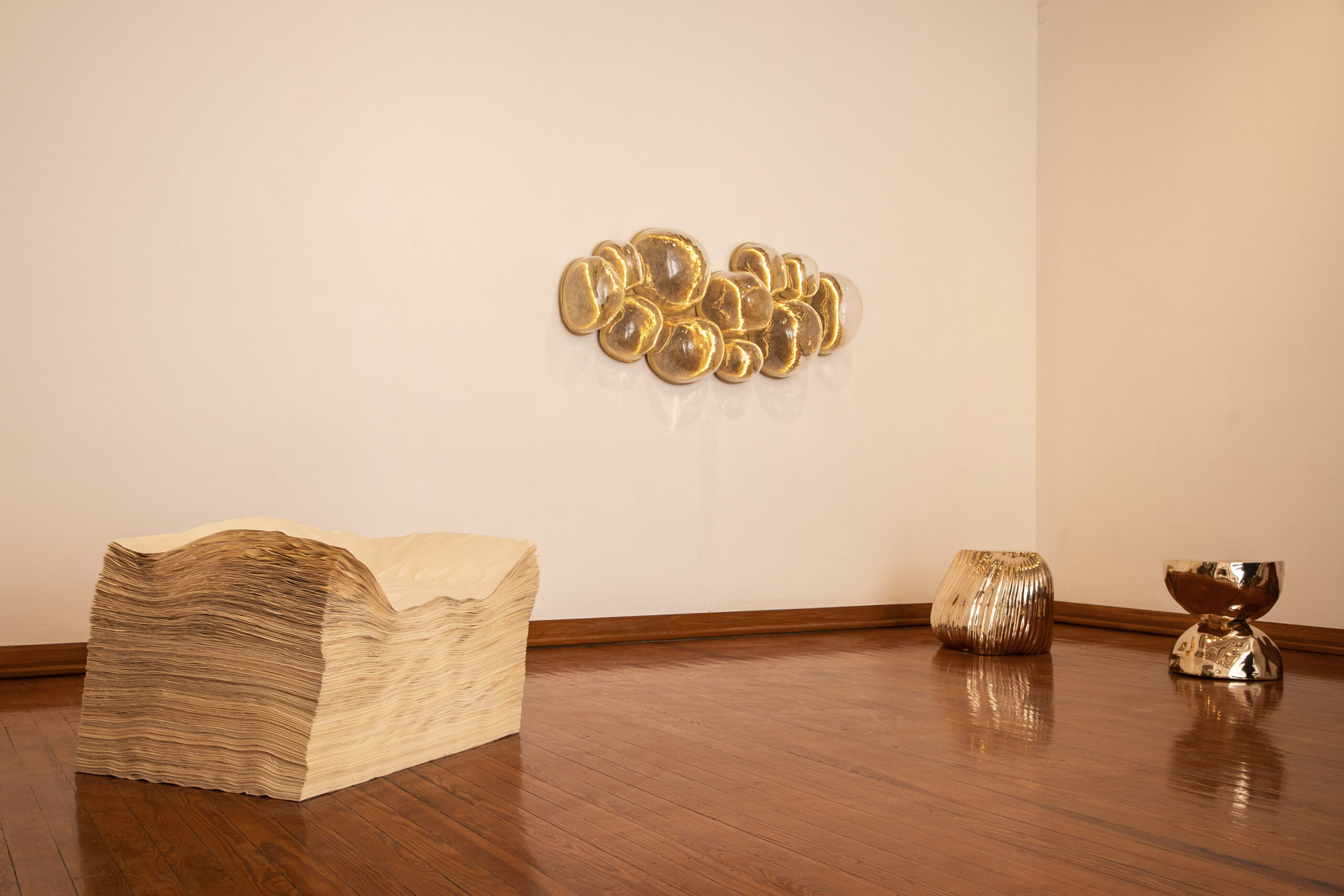
Born in California in 1979, Brian Thoreen is both artist and designer, currently working between Mexico City and Paris. Raised around construction, metal fabrication, and art installation, he developed an early and direct understanding of how materials behave in space. His practice is characterized by an extensive exploration of materials, including rubber, wax, paper, silicone, glass, and metals such as hammered copper, brass, and bronze. Heavy industrial materials are transformed into forms that appear soft, folded, or compressed, often using unexpected materials that provoke curiosity in the audience. Examples include his chairs crafted from Manila paper and his “sofa” constructed from red neoprene rubber. Thoreen’s designs deliberately blur the boundary between functional furniture and nonfunctional sculpture.
Manuel Bañó, born in Valencia, Spain in 1990, is recognized for his design practice that focuses on metalwork. After studying industrial design and completing a master’s in furniture and lighting, Bañó worked in London before relocating to Mexico City in 2013. Employing direct forming and finishing techniques, Bañó responds to how materials bend, age, and bear weight, allowing forms to emerge through the making process rather than being predetermined. This approach produces furniture and objects that are unique and tactile focused. Bañó is also a co-founder of EWE Studio alongside Héctor Esrawe and Age Salajõe, contributing to the studio’s emphasis on material heritage and local production.
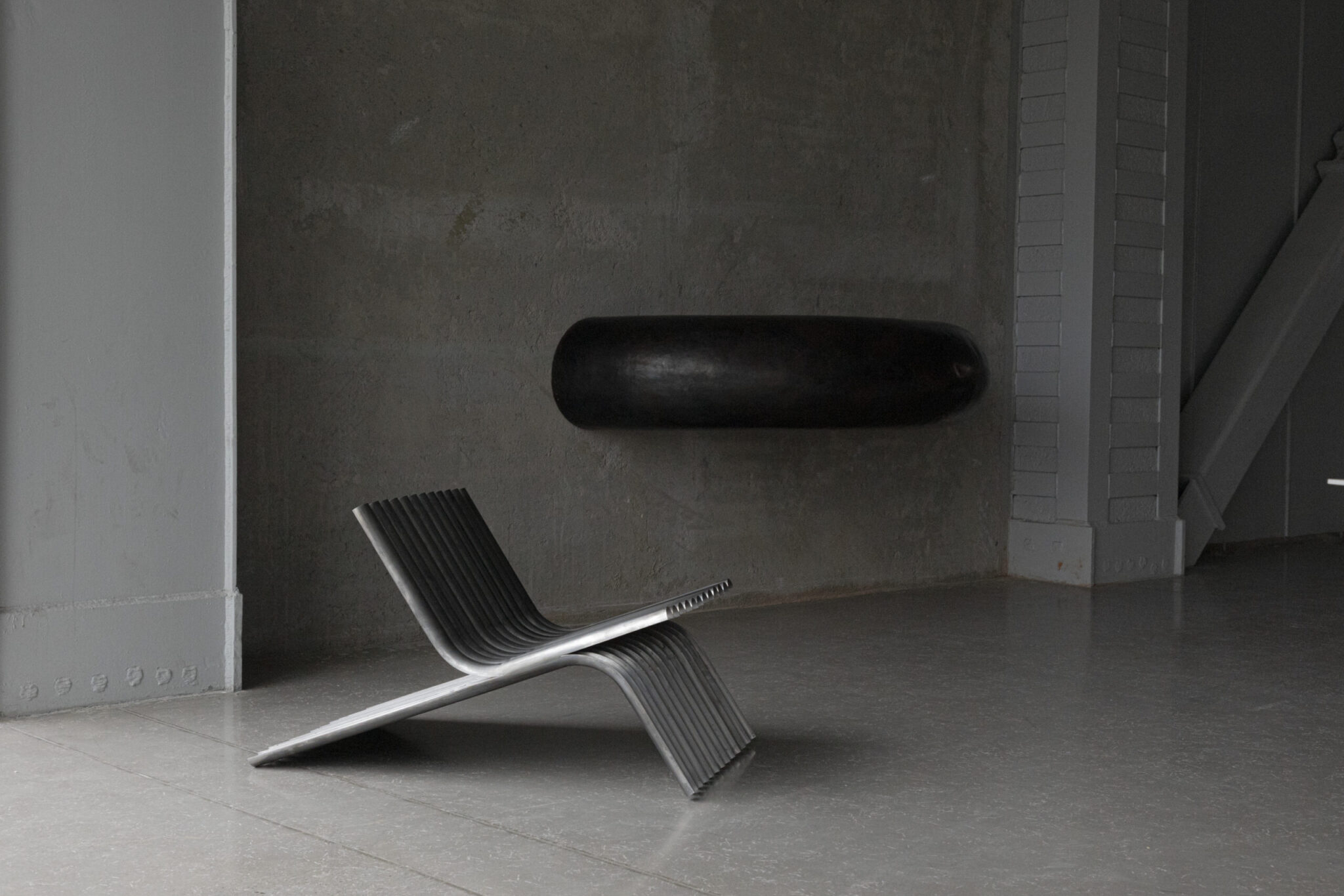

Founded in 2017 by gallerist Age Salajõe and designers Manuel Bañó and Héctor Esrawe, EWE Studio operates at the intersection of design, craft, and cultural research. EWE Studio centres on organic materials and forms, allowing texture and weight to guide the design process. Through limited-edition furniture and objects, EWE Studio reinterprets historical references within a contemporary framework, positioning heritage as an active and evolving source of design. Ewe Studio exemplifies the creative force that emerges when talented designers and gallerists collaborate, united by the belief that design extends beyond mere functionality.
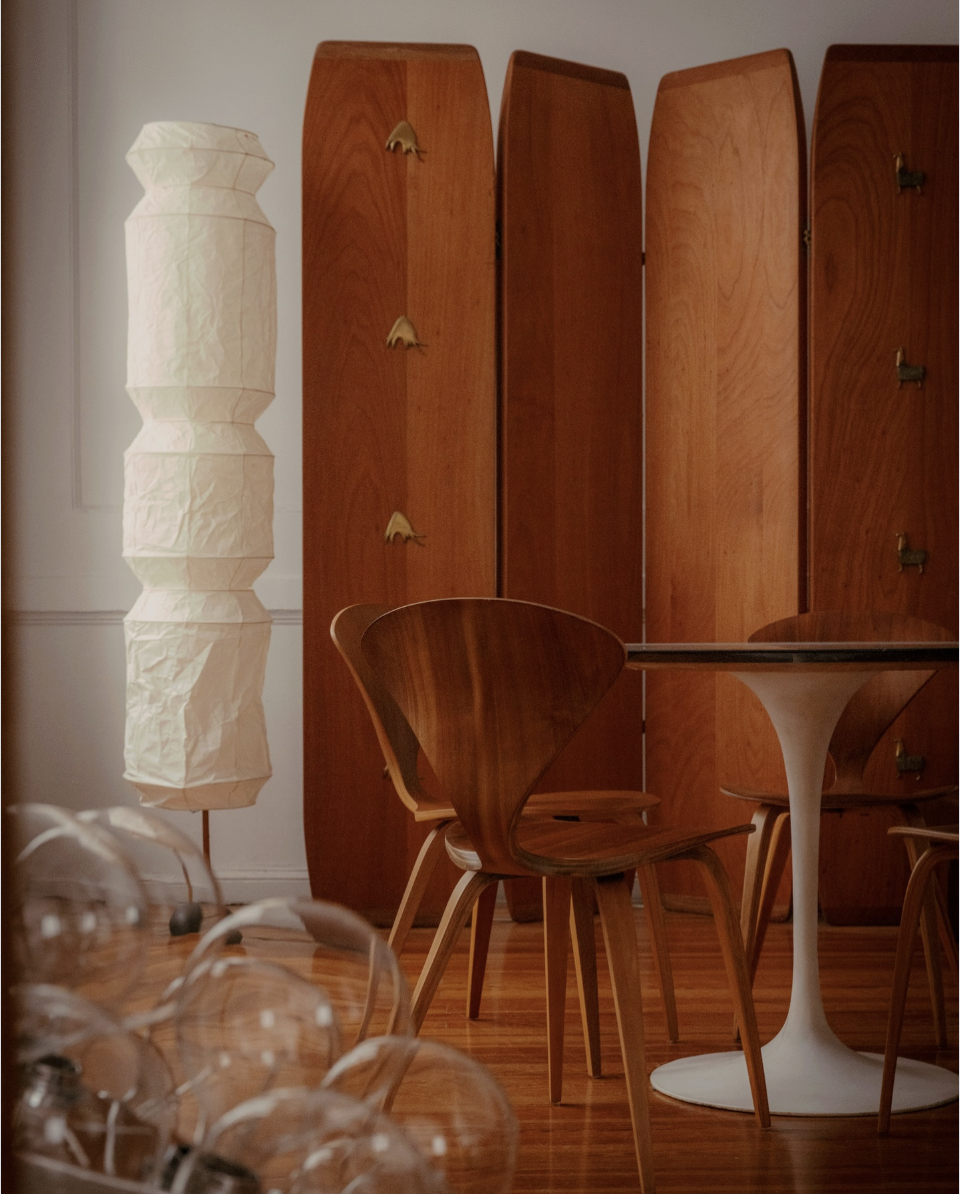
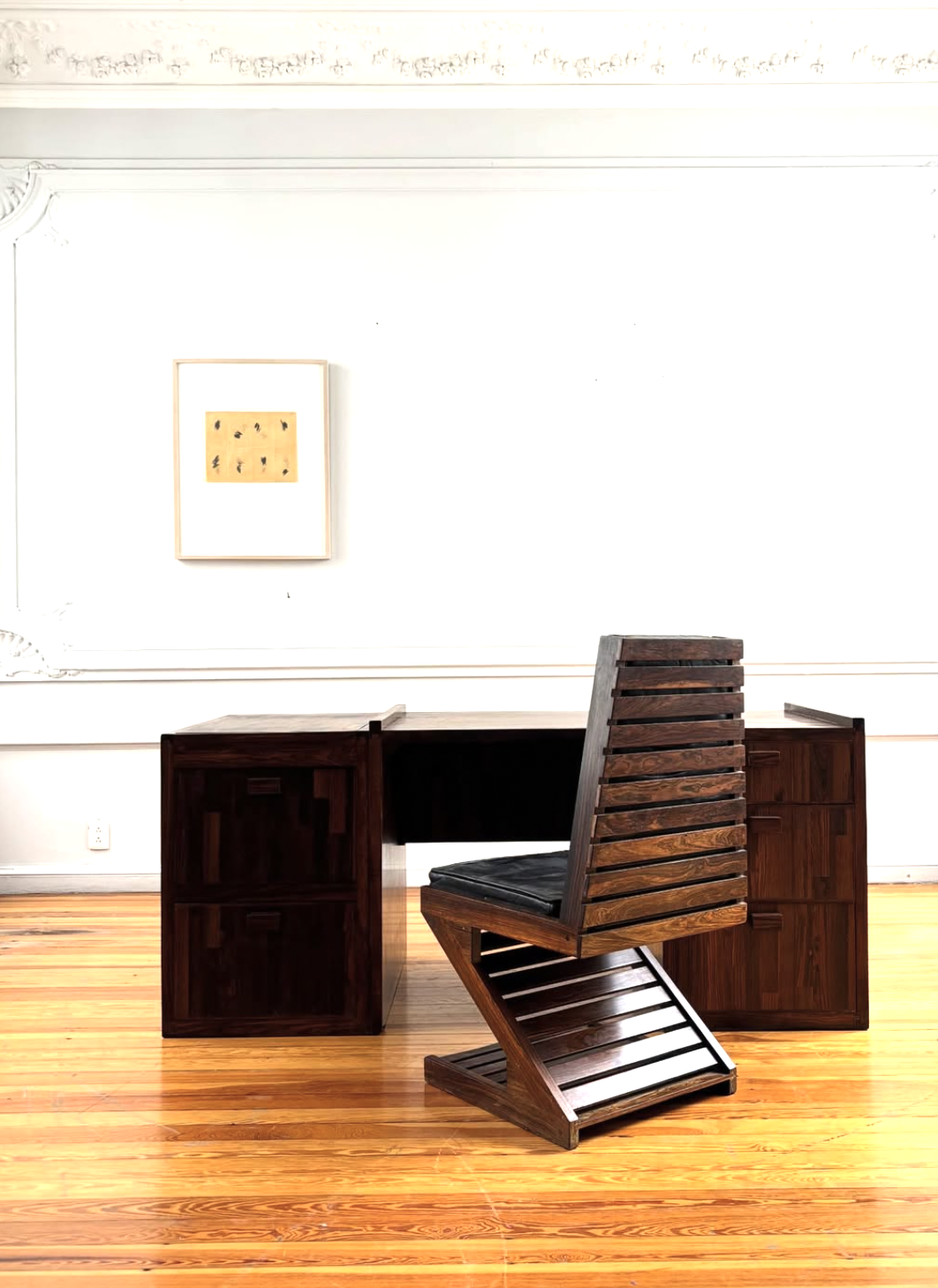
Located in a 1910 building in the La Roma neighbourhood of Mexico City, Galería Córdoba is a design gallery dedicated to vintage furniture and objects from the modern movement. The gallery presents original pieces selected for their clarity of form, historical significance, and exceptional craftsmanship. Córdoba’s programme highlights key figures in modern design, including Don Shoemaker, Michael van Beuren, and Clara Porset, situating their work within a broader conversation around the development of modern design in the Americas.
MASA was founded in Mexico City by Age Salajõe, Héctor Esrawe, Brian Thoreen, Isaac Bissu, and Roberto Diaz. Operating at the intersection of art and design, MASA focuses on collectible and experimental practices presented through exhibitions, research, and publishing. MASA operates across physical and conceptual spaces and regularly collaborates with international galleries. These partnerships expand the programme beyond a local context, situating design within a broader global dialogue and highlighting the interplay between art and design, advocating for their more frequent joint presentation.
In February 2026, MASA will open a collaborative exhibition with Modern Art (London/Paris) at their Mexico City space. Running from 3 February to 4 April 2026, the exhibition brings together artworks and collectable design by artists represented by either MASA or Modern Art. Modern Art will show works by artist from their program such as Eva Rothschild, Francesca Mollett, Frida Orupabo, Michael Simpson, and more. MASA will present design items by Charlotte Vander Borght, Atelier Van Lieshout, José Dávila, Brian Thoreen.
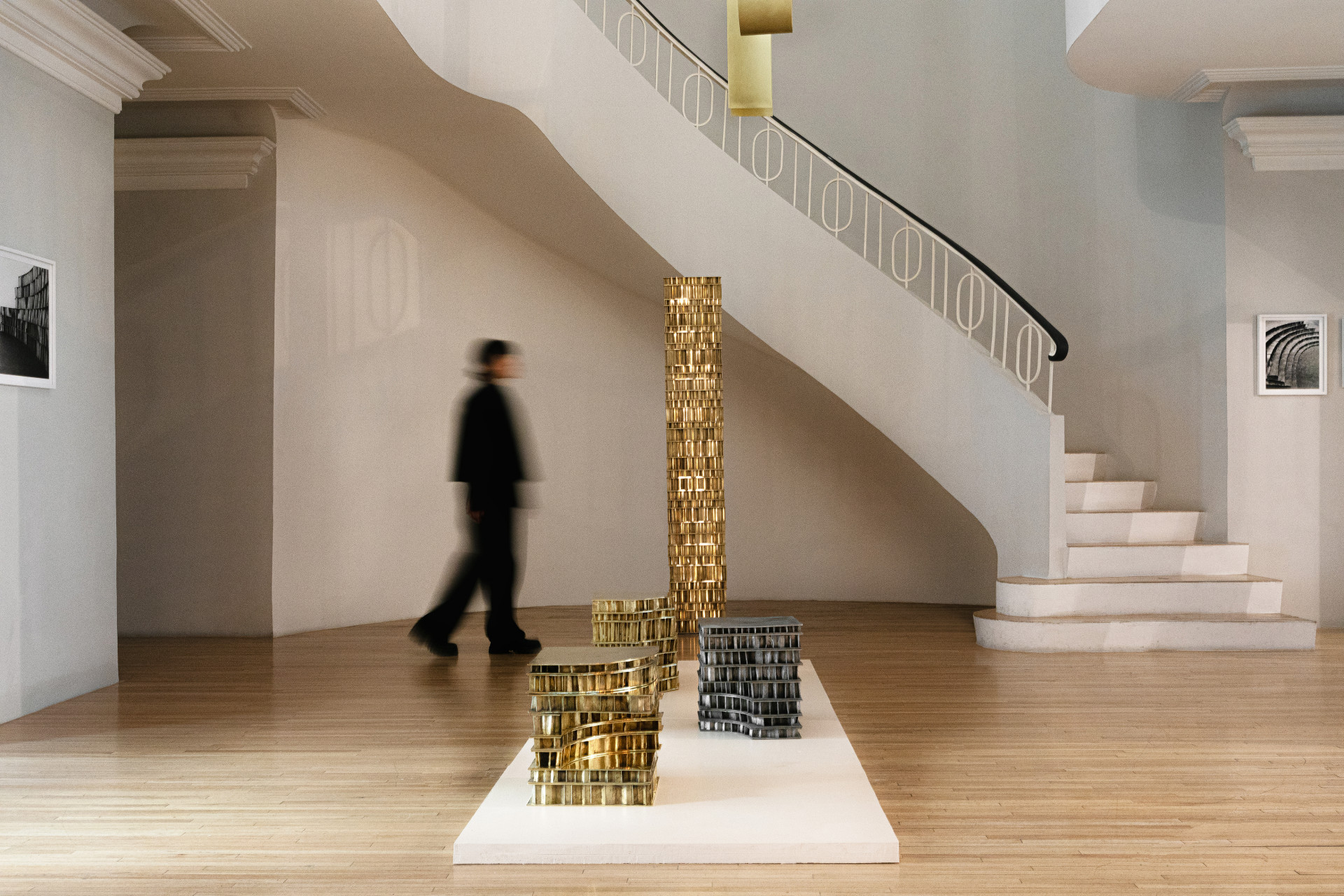
Héctor Esrawe is a Mexico City based designer, architect, and academic whose practice spans furniture, interiors, architecture, and collectible design. He is also one of the founders of Ewe Studio. Working across disciplines, Esrawe is known for a rigorous understanding of materials and production processes, developed through decades of both practice and teaching. His designs balance artisanal knowledge with contemporary manufacturing, producing unique, limited-edition works that feel both timeless and architectural. Notable examples include his coffee tables composed of multiple blocks, reminiscent of the Tower of Babel, and his geometric-grid light holders, where the organic drip of wax creates a striking contrast.

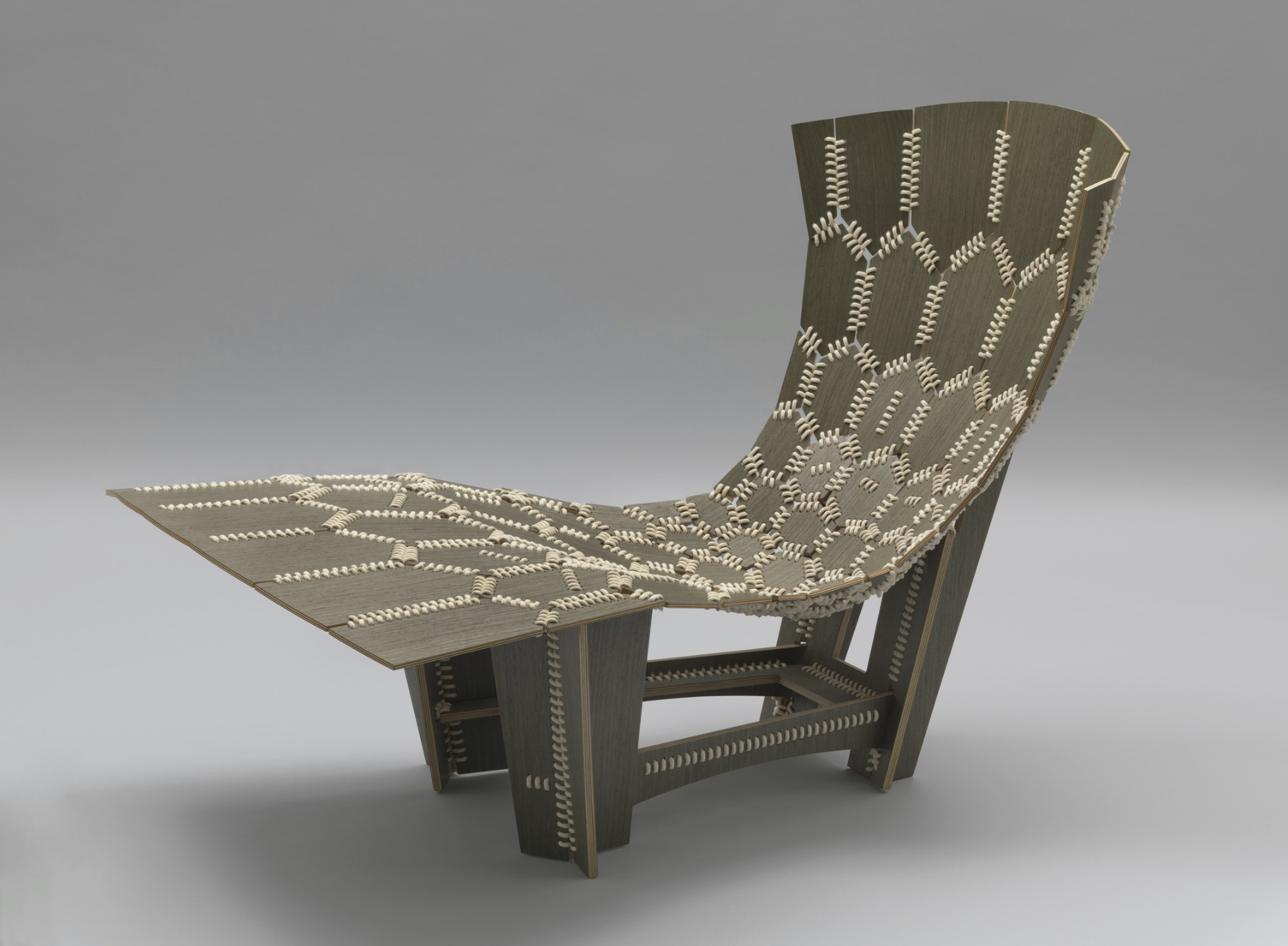
Emiliano Godoy is a Mexican industrial designer with over twenty-five years of experience working across furniture design, architecture, product development, and curation. Working internationally, Godoy approaches design as a tool for generating positive social and environmental impact, with applied sustainability at the core of his practice. Godoy frequently works with wood and natural materials, often incorporating woven or interlaced elements that reference textile traditions and handcraft. One of his most recognised works, the Knit Chair, exemplifies this approach. Combining industrial structure with hand-crafted textile elements, the chair explores comfort, flexibility, and material contrast. In 2011, the Knit Chair was acquired by the Museum of Modern Art (MoMA), New York.
Mexico City Now: Artists, Galleries, and the Pulse of a Global Art Capital
Mexico City Now: Artists, Galleries, and the Pulse of a Global Art Capital
From Tradition to Form: Mexico’s Design Landscape Today