Mexico City Now: Artists, Galleries, and the Pulse of a Global Art Capital

Mexico City has become one of the most active and compelling centres of contemporary art today. Its vitality is visible not only in the scale of events such as Zona Maco, but in the density of its cultural infrastructure: a growing network of galleries, an engaged community of collectors, and a strong institutional framework that supports sustained artistic production.
In recent years, this ecosystem has expanded rapidly. Local galleries operate alongside international programmes, while artists from abroad increasingly choose the city as a place to live, work, and exhibit. These developments have been further accelerated since the pandemic, reinforcing Mexico City’s position as both a site of production and a destination for contemporary art.
The city’s cultural energy extends beyond the visual arts. Film, design, photography, and cuisine intersect closely with artistic practice, contributing to an environment in which experimentation is grounded in everyday cultural life. Mexico City allows creators to experiment boldly while remaining rooted in a rich cultural history, an influence that is often visible in their work and deeply appreciated by audiences. This combination of honouring Mexico’s heritage and pushing creative boundaries fuels a dynamic and thriving arts ecosystem.
In this article, we highlight artists who are shaping the current cultural conversation in Mexico. Whether based in the country, Mexican-born, or presenting significant exhibitions there now, these artists exemplify why Mexico City is the place to engage with cutting-edge ideas and art, and experience the vibrant interplay between tradition and contemporary practice.
Artists
Bosco Sodi
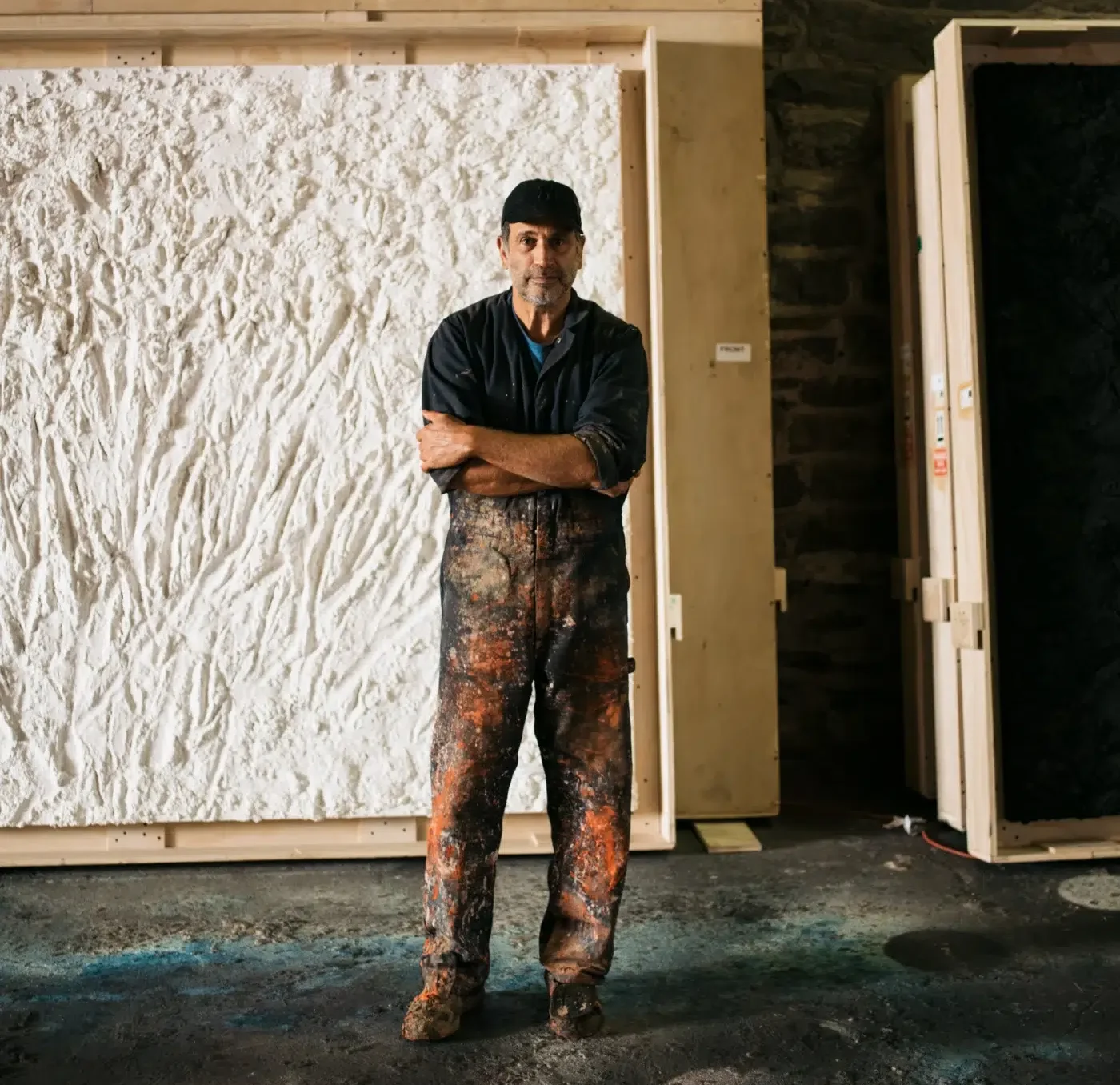
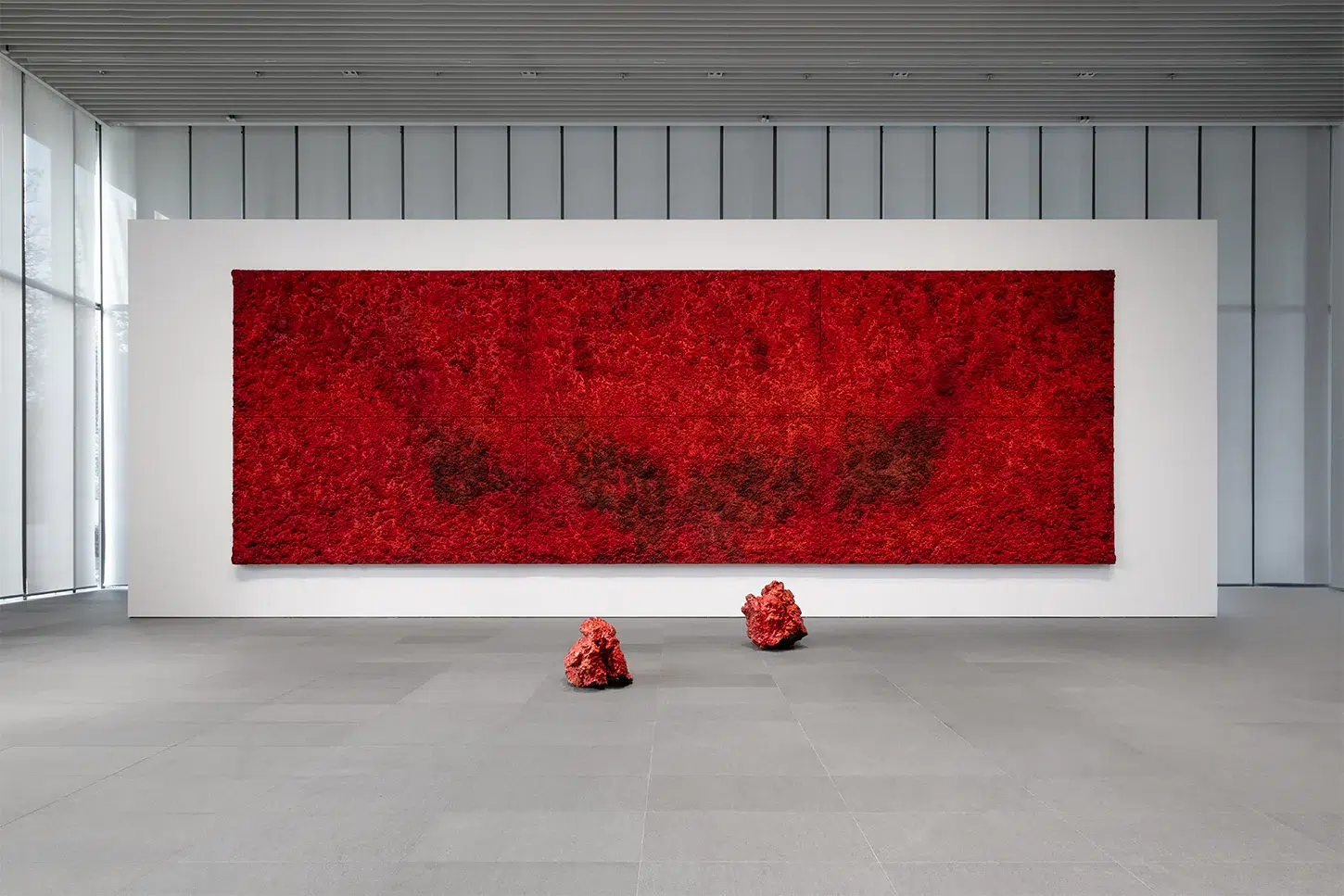
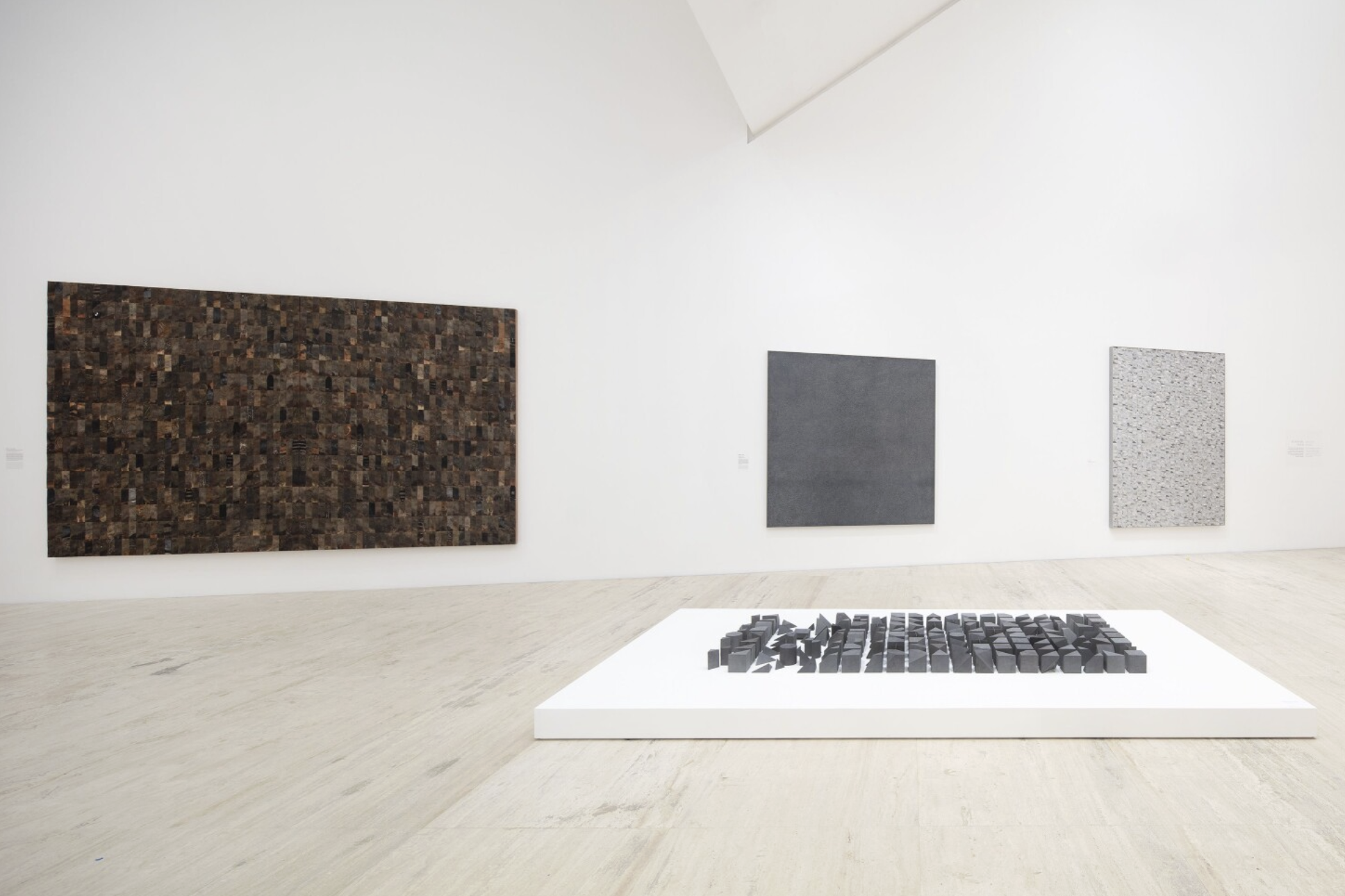
Bosco Sodi (b. 1970, Mexico City) is recognised for large-scale paintings and sculptures grounded in material intensity and physical process. Working with various natural materials such as sawdust and wood pulp, Sodi builds dense surfaces that crack and shift as they dry, allowing chance and material behaviour to shape the final work. Alongside painting, Sodi produces sculptural works using volcanic rock collected in Mexico, which he coats with glaze and precious metals before firing. These objects merge geological transformation with artistic intervention, reinforcing his sustained engagement with materiality, unpredictability, and the elemental forces embedded within the act of making.
Pedro Reyes
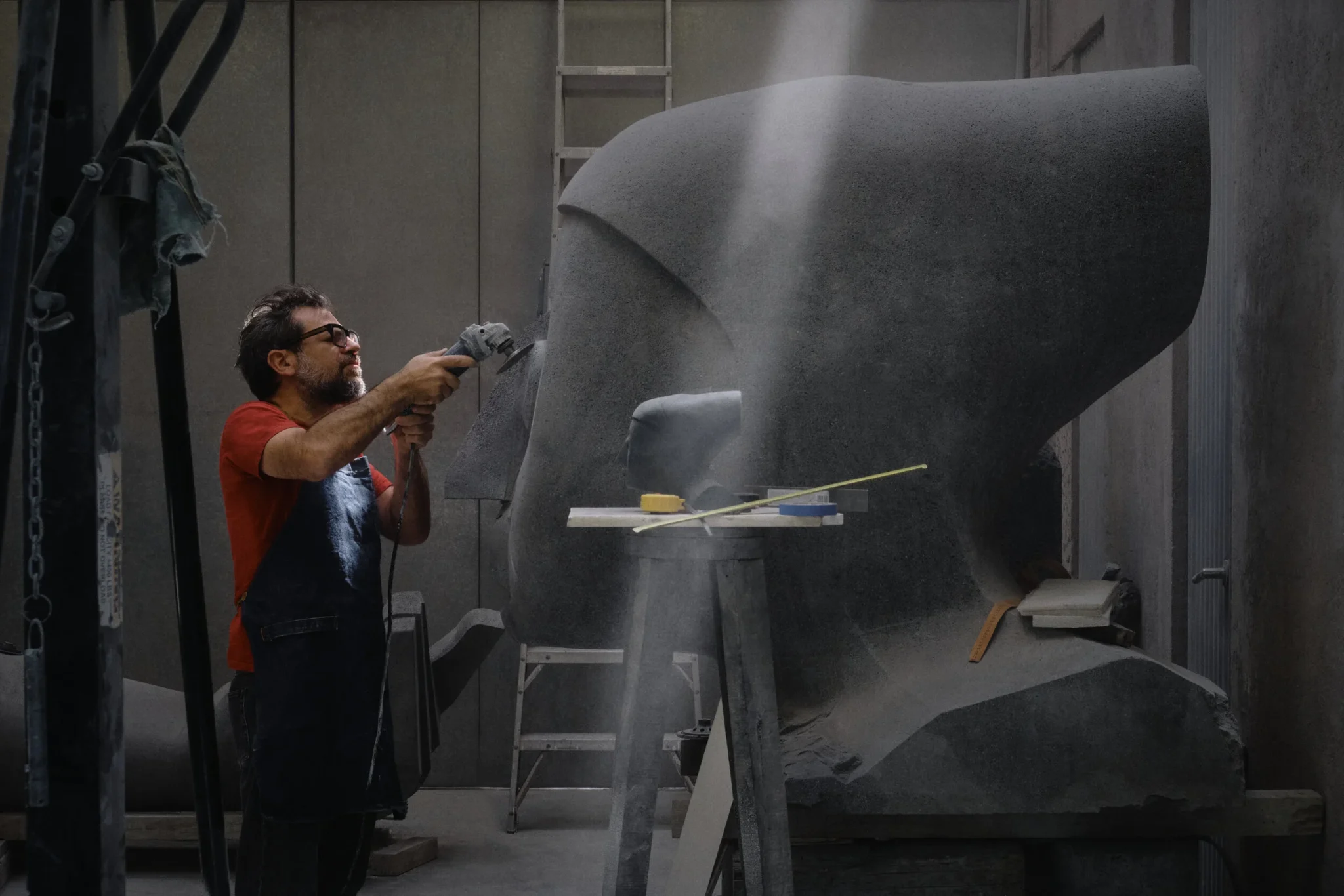
Pedro Reyes (b. 1972, Mexico City) places sculpture at the core of his practice, extending it beyond static form into systems, actions, and collective processes. Trained as an architect, he approaches sculpture as a constructed structure, often working with stone, wood, and traditional craft techniques rooted in Mexican and Mesoamerican histories. His sculptures often employ repetition and simplified geometry, emphasising endurance, structure, and collective memory. Through these materially grounded works, Reyes engages with Mexico’s artistic heritage while situating sculpture as a medium capable of addressing broader cultural and historical questions.

Jerónimo Rüedi
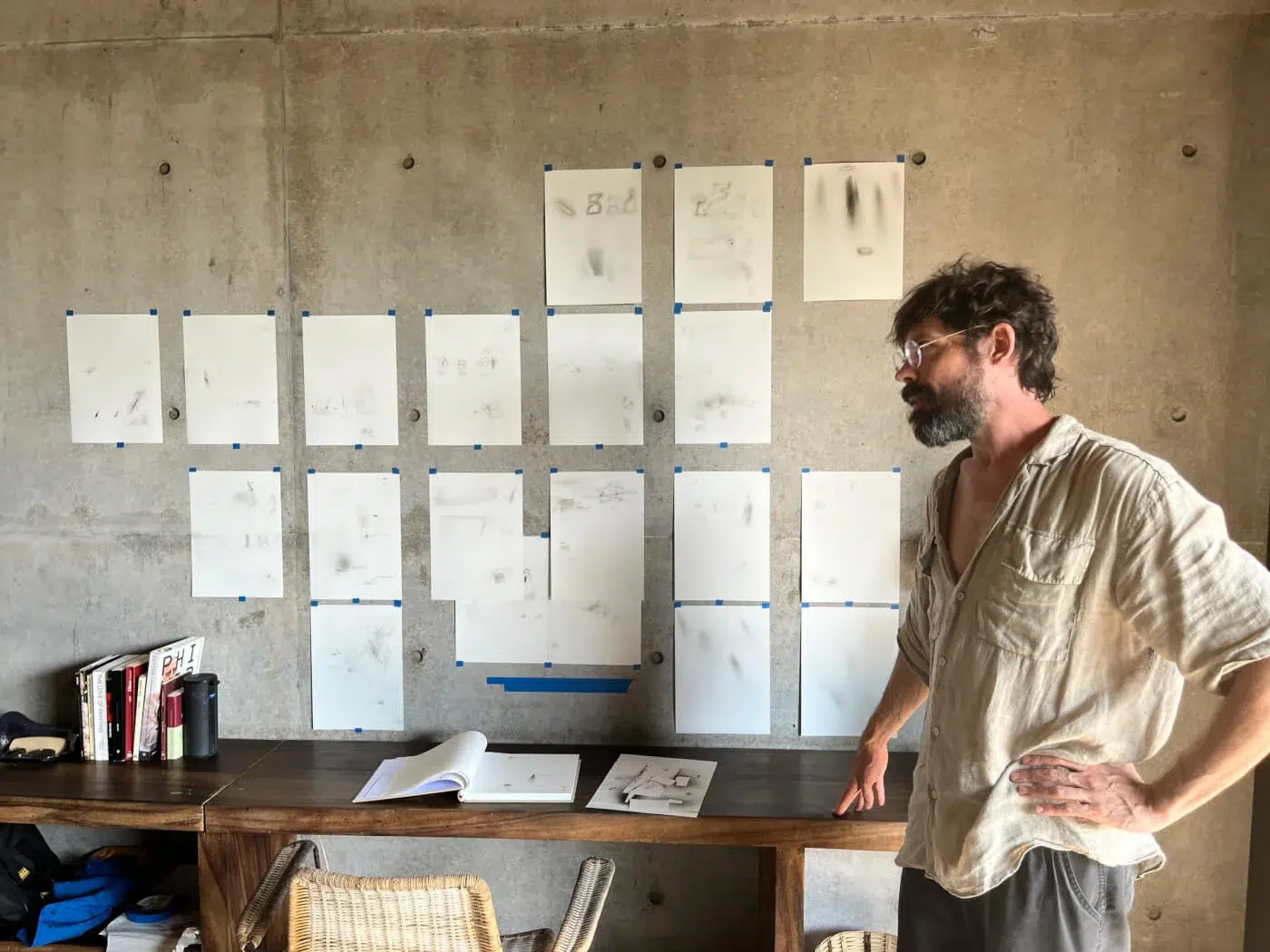
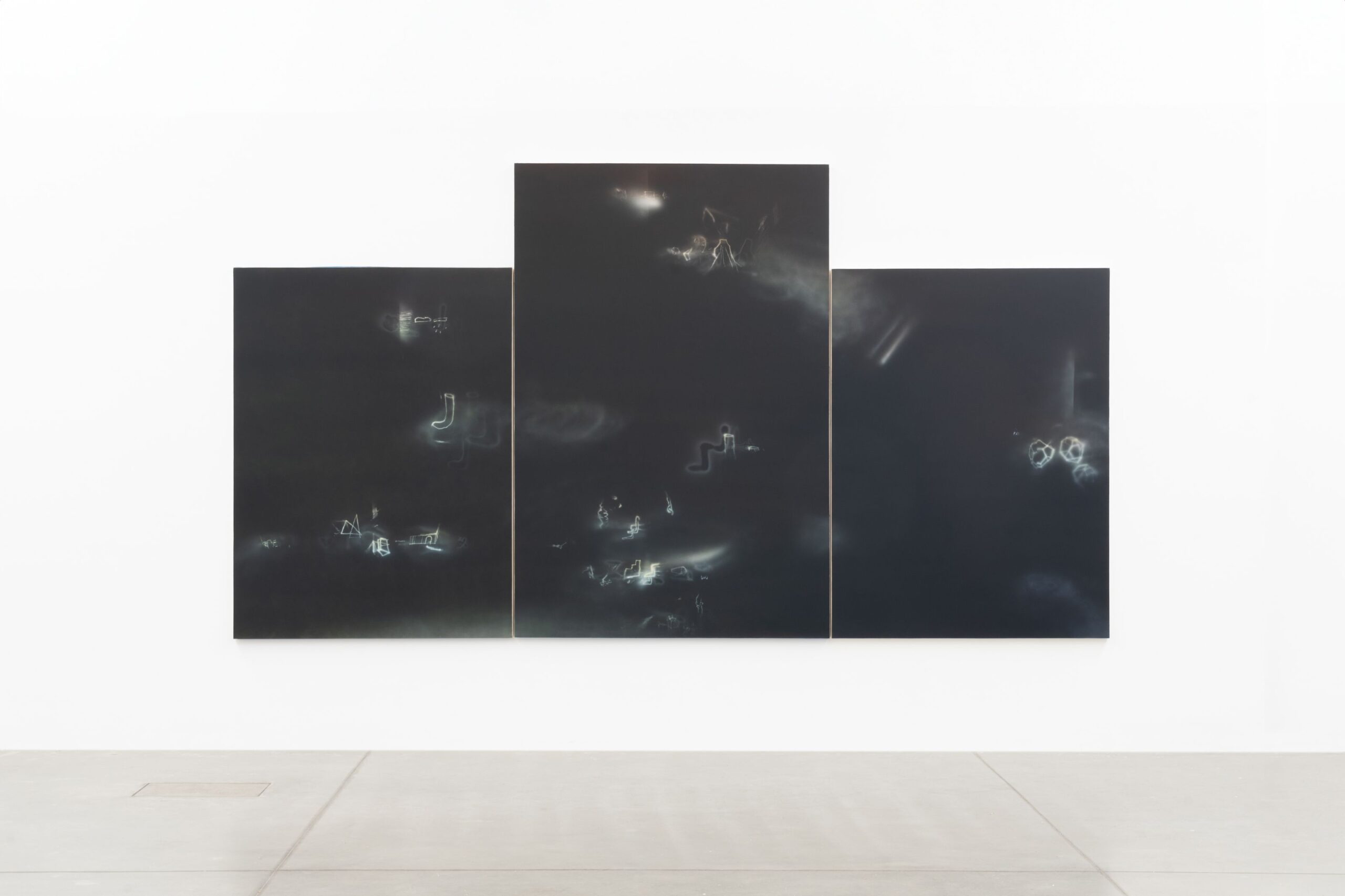
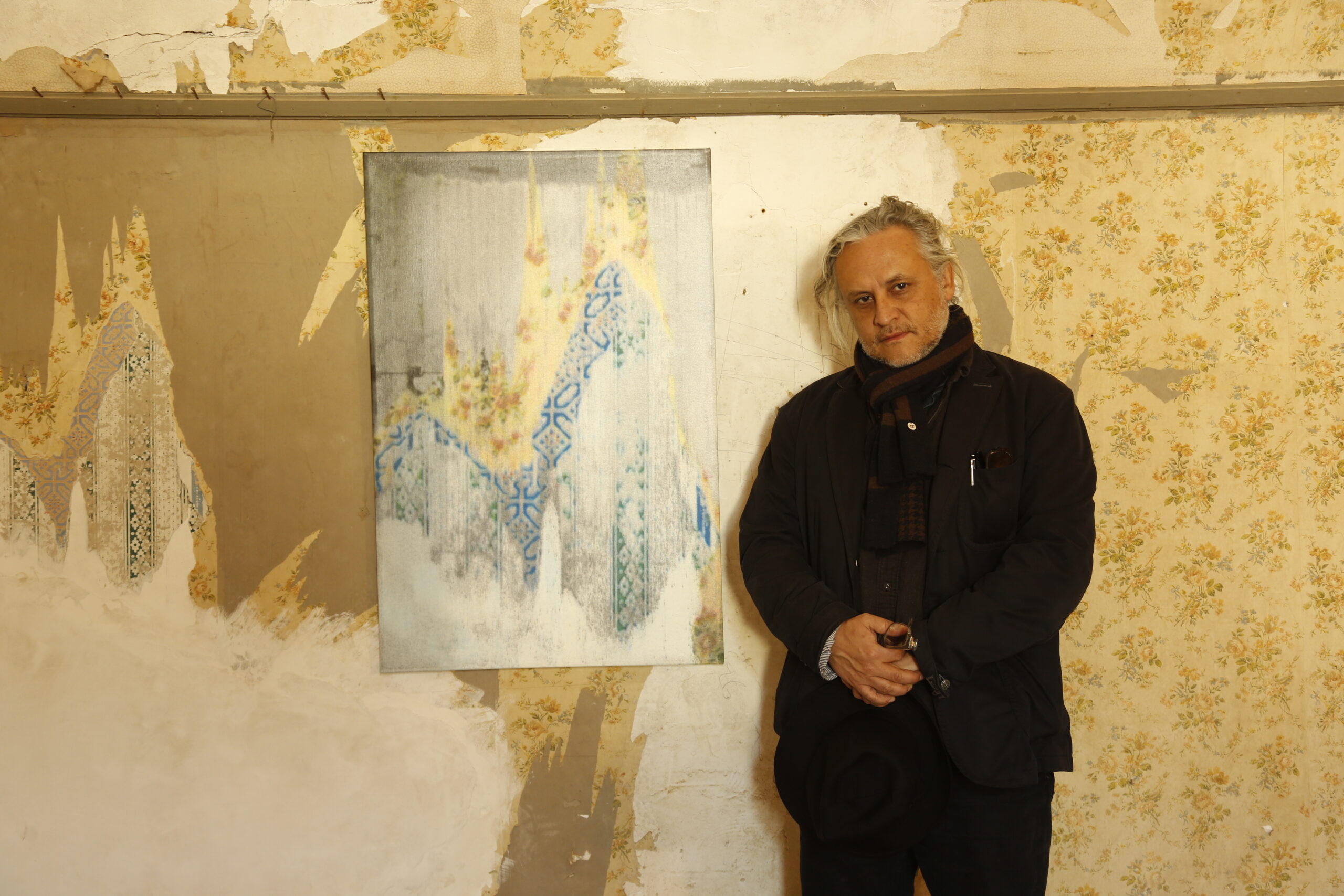
Jerónimo Rüedi (b. 1981, Mendoza, Argentina) lives and works in Mexico City. His painting practice centres on material experimentation and carefully controlled processes. He develops his own primers and pigments, applying paint through air-driven techniques that produce soft, layered surfaces with minimal direct touch. The shapes that emerge in Rüedi’s works often resemble fragmented signs or inscriptions, evoking the visual rhythm of ancient scripts or weathered manuscripts. They feel neither fully legible nor entirely abstract, hovering in a space between writing and form. Colour, transparency, and erosion play a central role in his practice, resulting in images that appear unstable or in transition rather than fixed.
Eduardo Terrazas
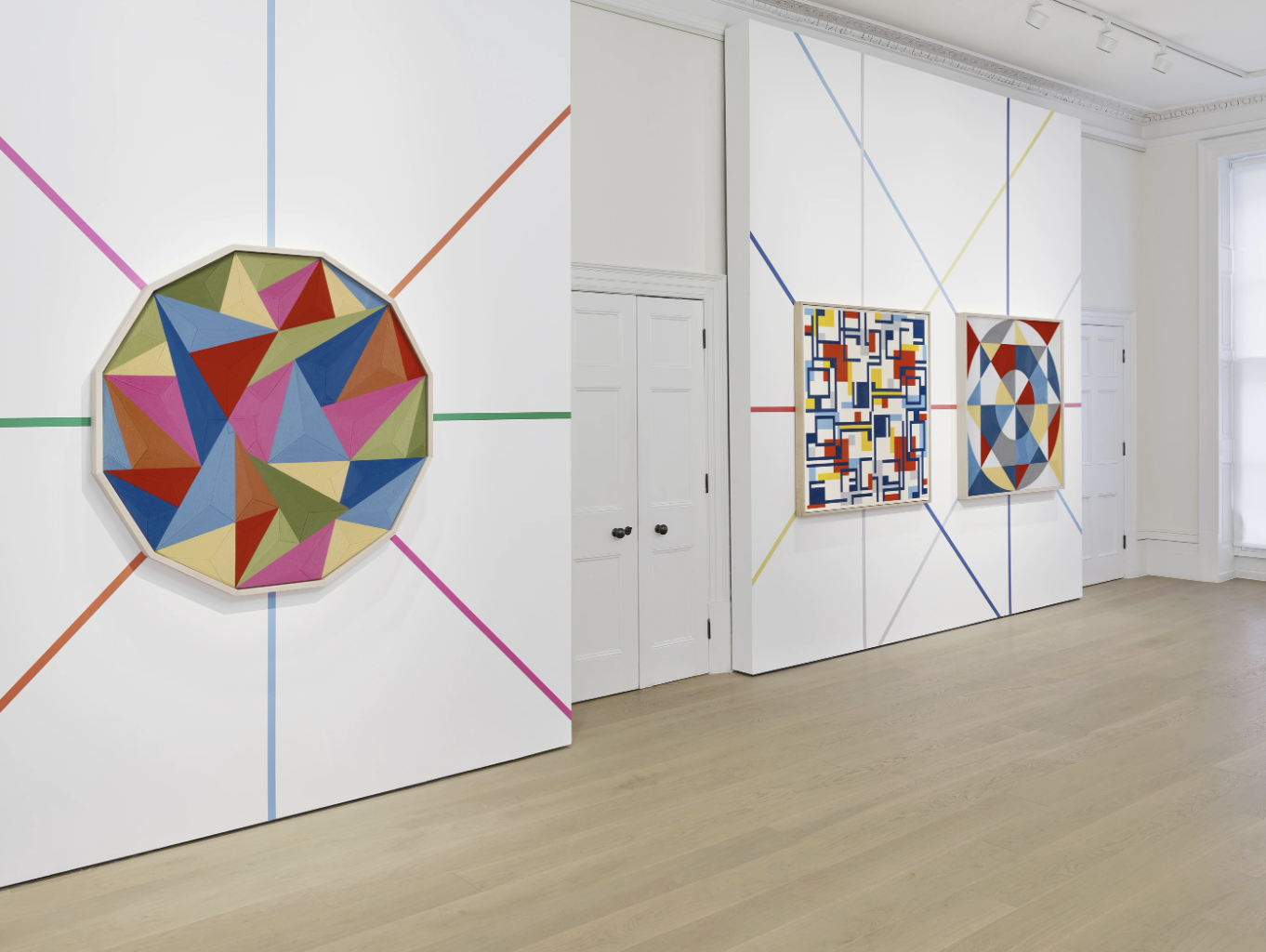
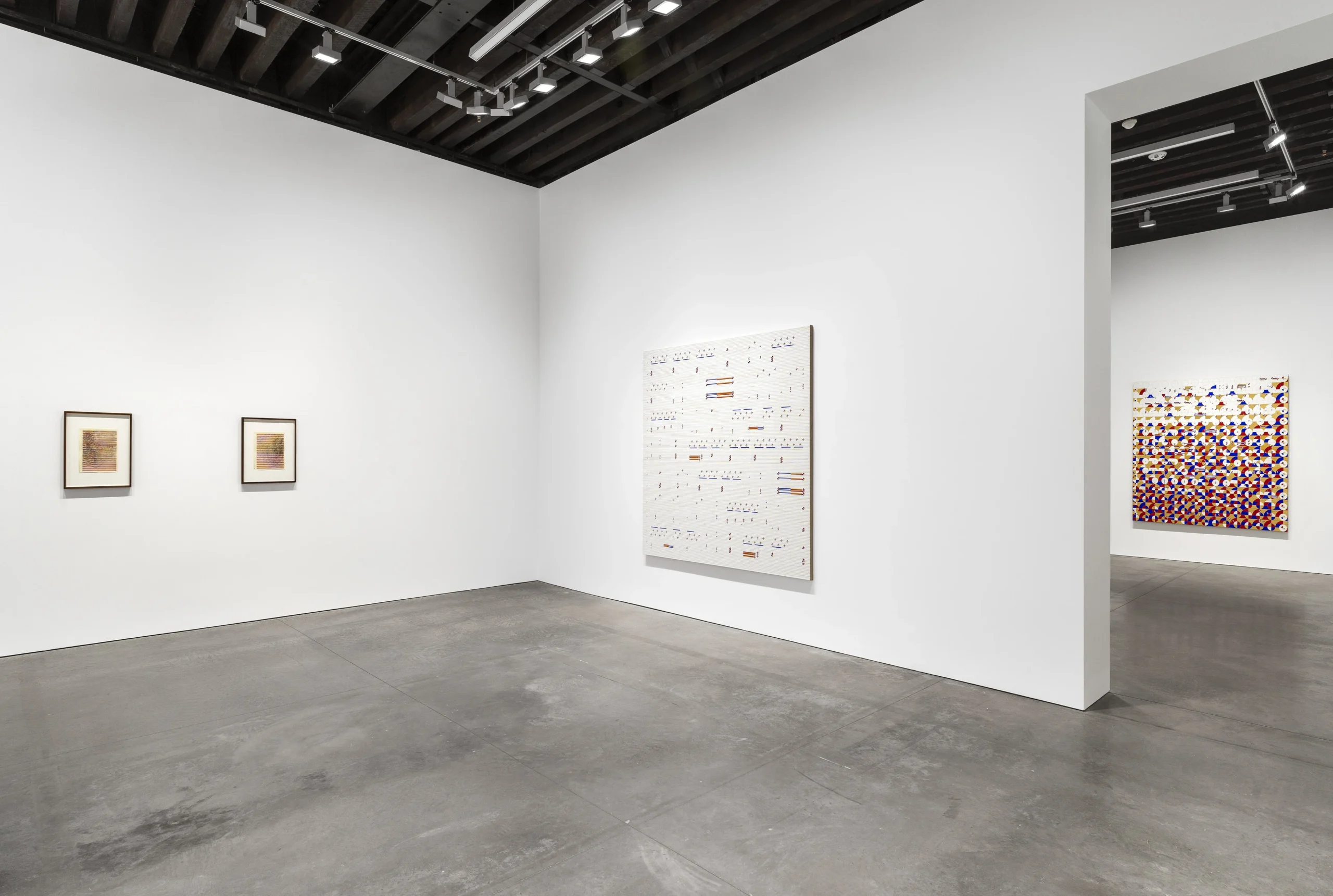
Eduardo Terrazas (b. 1936, Guadalajara) is a foundational figure in Mexican contemporary art whose practice spans architecture, design, and visual art. Trained as an architect, his work is rooted in modernist geometric abstraction combined with techniques drawn from Mexican folk traditions, most notably through concentric and modular forms. Since the 1970s, Terrazas has developed this visual language through drawings and, later, through works employing Huichol yarn techniques, arranging coloured threads on wax-coated surfaces. By combining modernist geometry with labour-intensive craft processes, his work bridges contemporary abstraction and Indigenous visual traditions.

Stefan Brüggemann
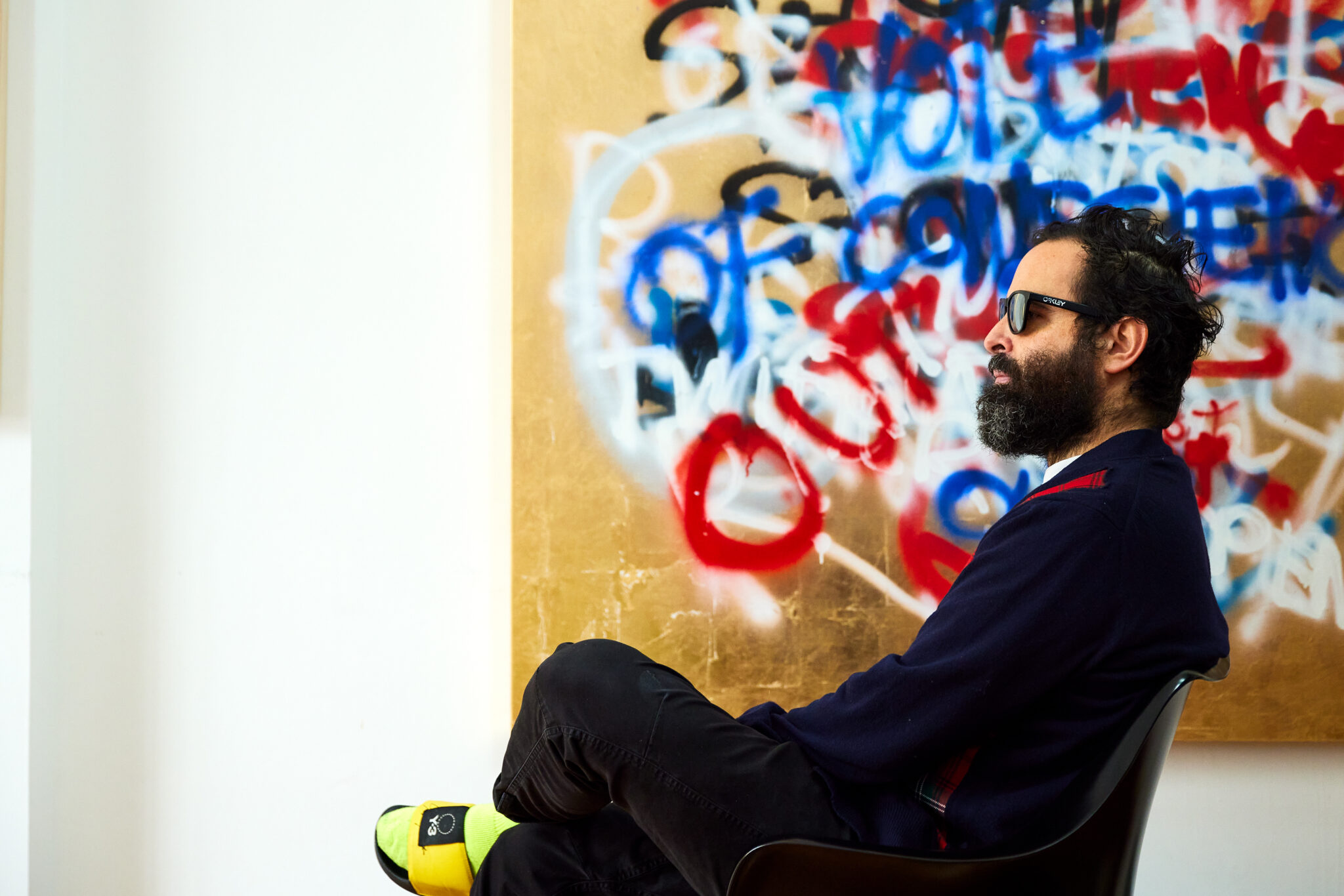
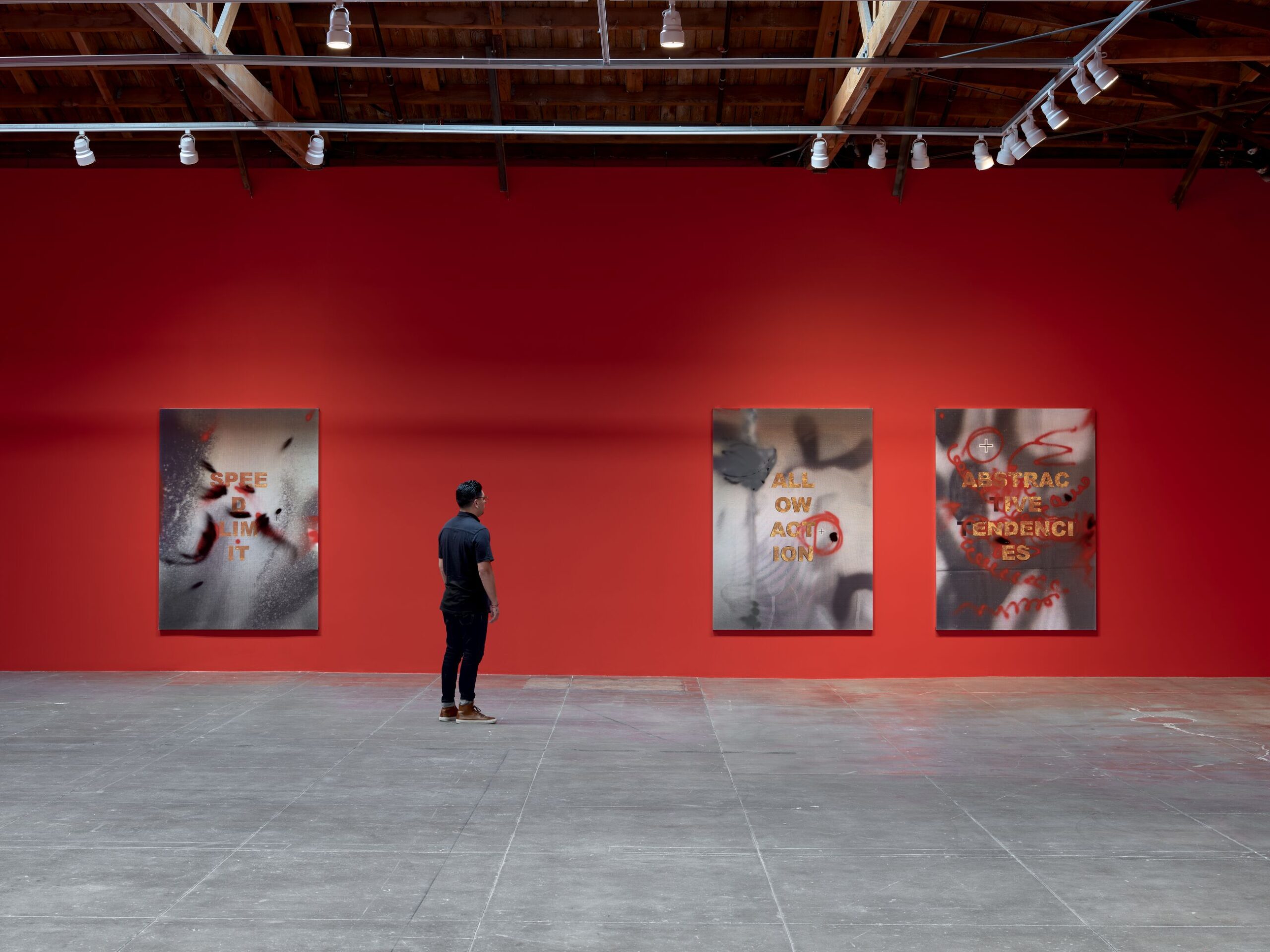
Stefan Brüggemann (b. 1975, Mexico City) works across sculpture, painting, drawing, and installation, frequently using text as a central formal element. His work merges Conceptualism and Minimalism with a rebellious punk aesthetic and the raw energy of street art. Many of his works also critique systems of power, consumerism, and cultural authority, and he often employs irony to challenge norms. Through these strategies, Brüggemann creates work that is simultaneously visually striking and conceptually rigorous.
Francis Alÿs
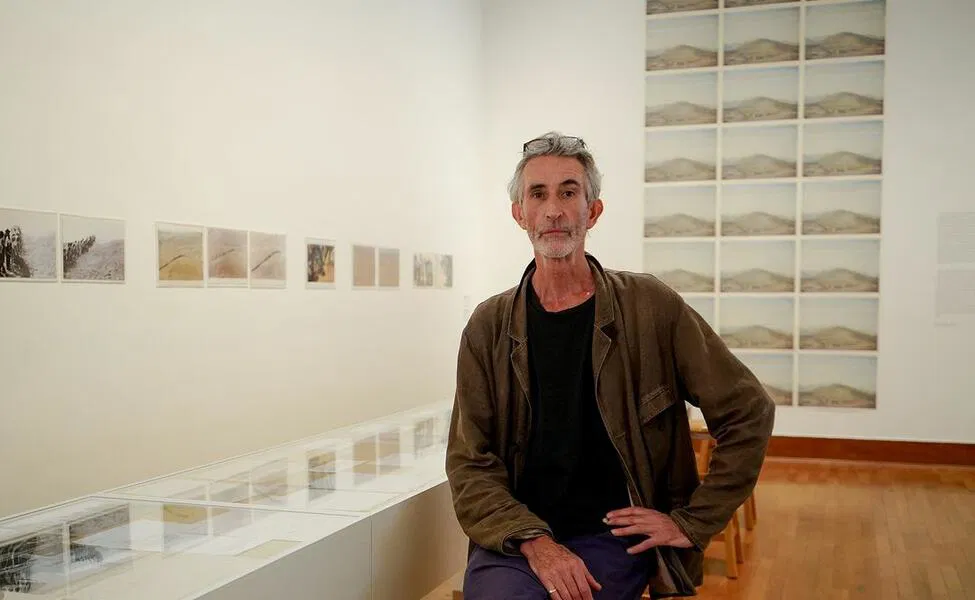
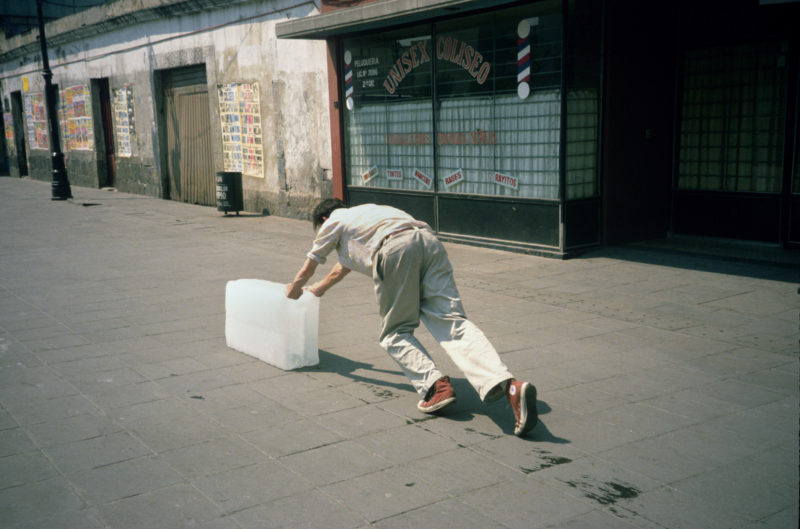
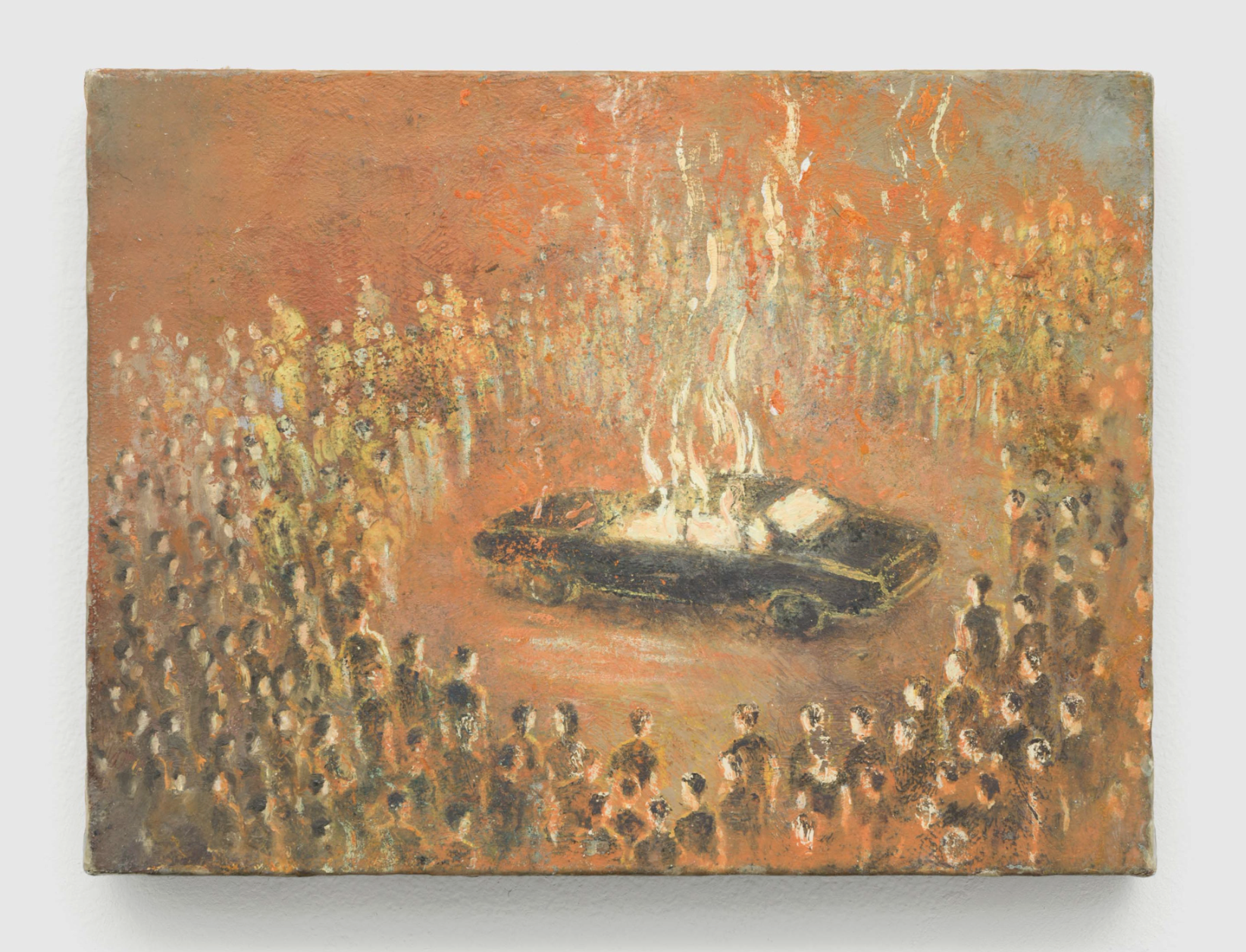
Francis Alÿs (b. 1959, Antwerp) has lived and worked in Mexico City since 1986. He initially moved there from Belgium to take part in post-earthquake reconstruction efforts and has remained in the city, where he has continued to develop his artistic practice. His work consists of long-term projects across film, drawing, painting, animation, and performance, addressing questions of movement, borders, labour, and collective behaviour. His work often unfolds through simple actions carried out in public space, using repetition and duration to explore everyday life within specific social and political contexts. One of his most famous works is Paradox of Praxis 1 (Sometimes Making Something Leads to Nothing) (1997), in which Alÿs pushed a large block of ice through the streets of Mexico City until it melted. The resulting video weaves together absurdity and sincerity, meditating on the role of ice in the lives of street vendors and on Alÿs’s quiet production of absence, opening the work to poetic interpretation. Though he is perhaps best known for his performance and documentary works, his paintings also preserve this poetic quality.
Abraham Cruzvillegas
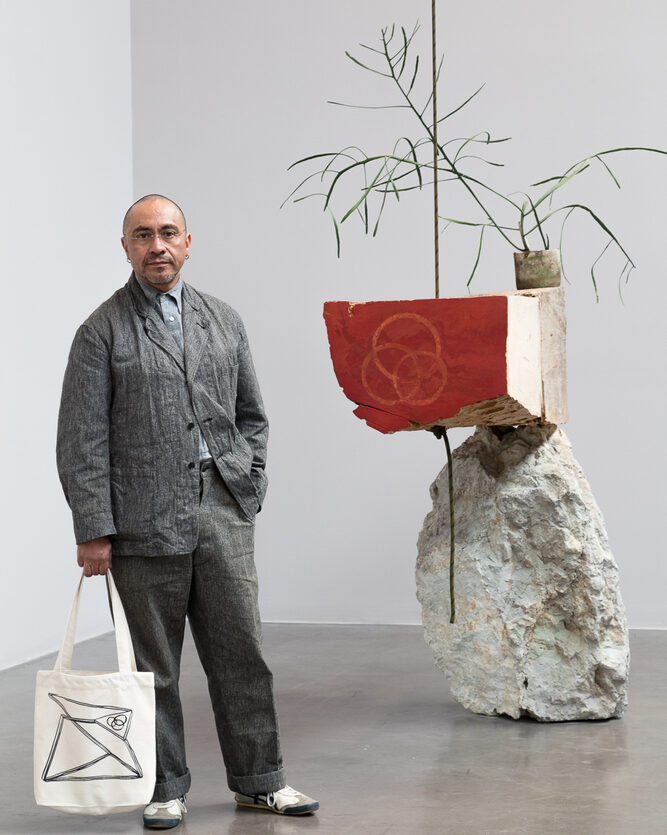
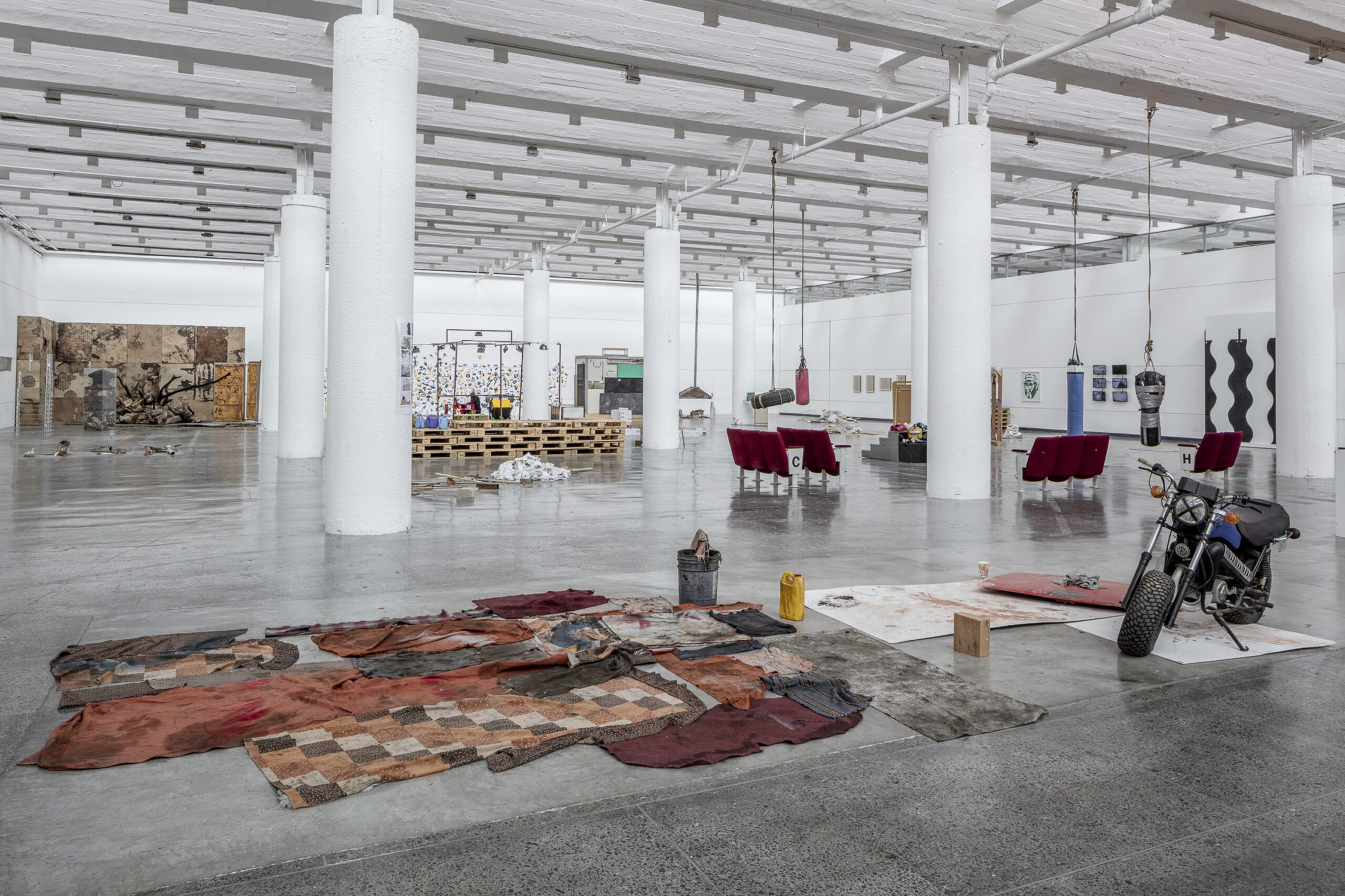
Abraham Cruzvillegas (b. 1968, Mexico City) makes sculptures and installations from everyday and found materials such as wood, metal, cardboard, fabric, and household objects. He builds his works without detailed plans, assembling materials intuitively and when they become available. He calls this process autoconstrucción, which is deeply inspired by the ingenious and collaborative building tactics used by the people living in Colonia Ajusco, his childhood neighbourhood in Mexico City. Objects are created from what is available rather than what is ideal, capturing the chaotic and fragmentary nature of life.
Jose Dávila
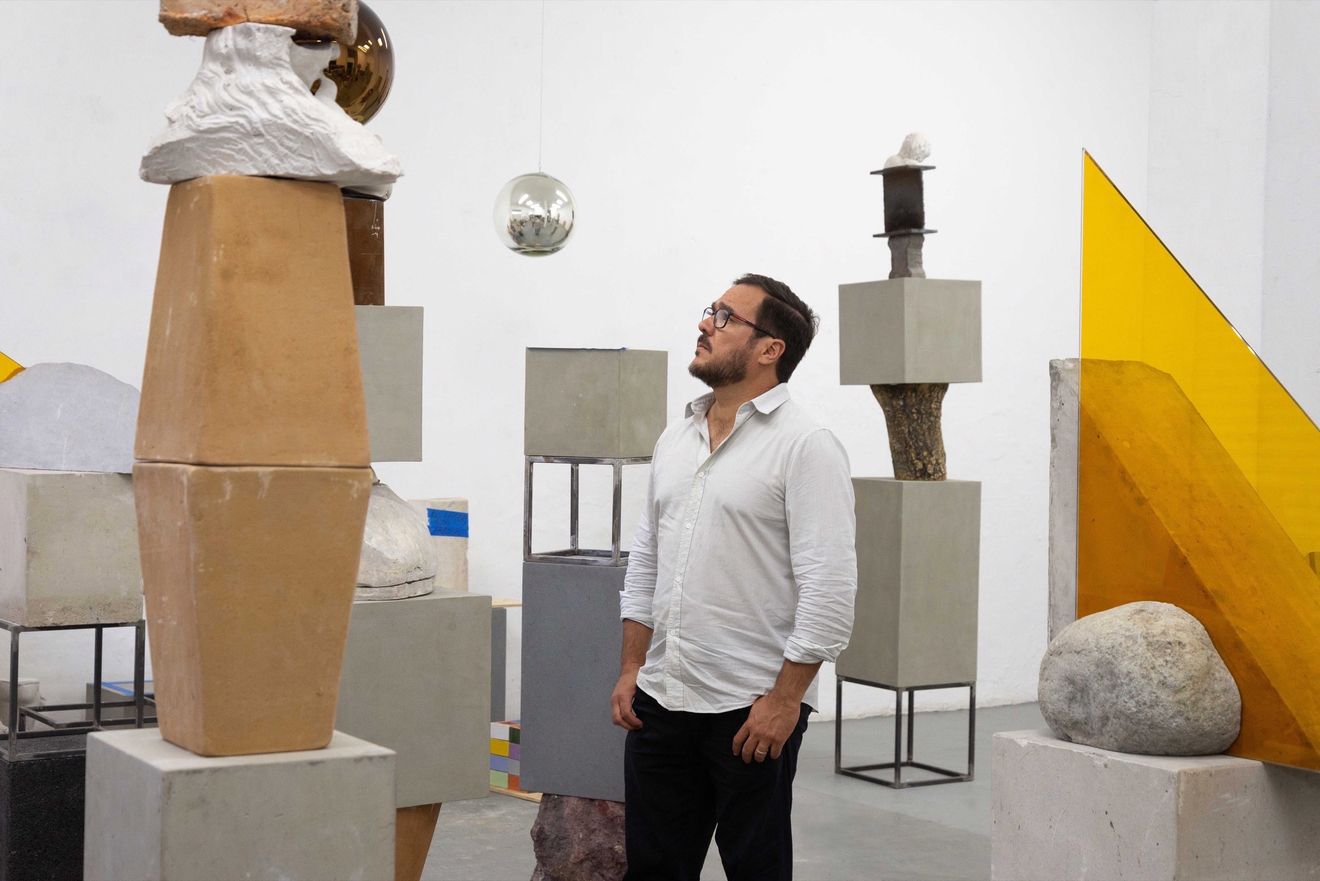
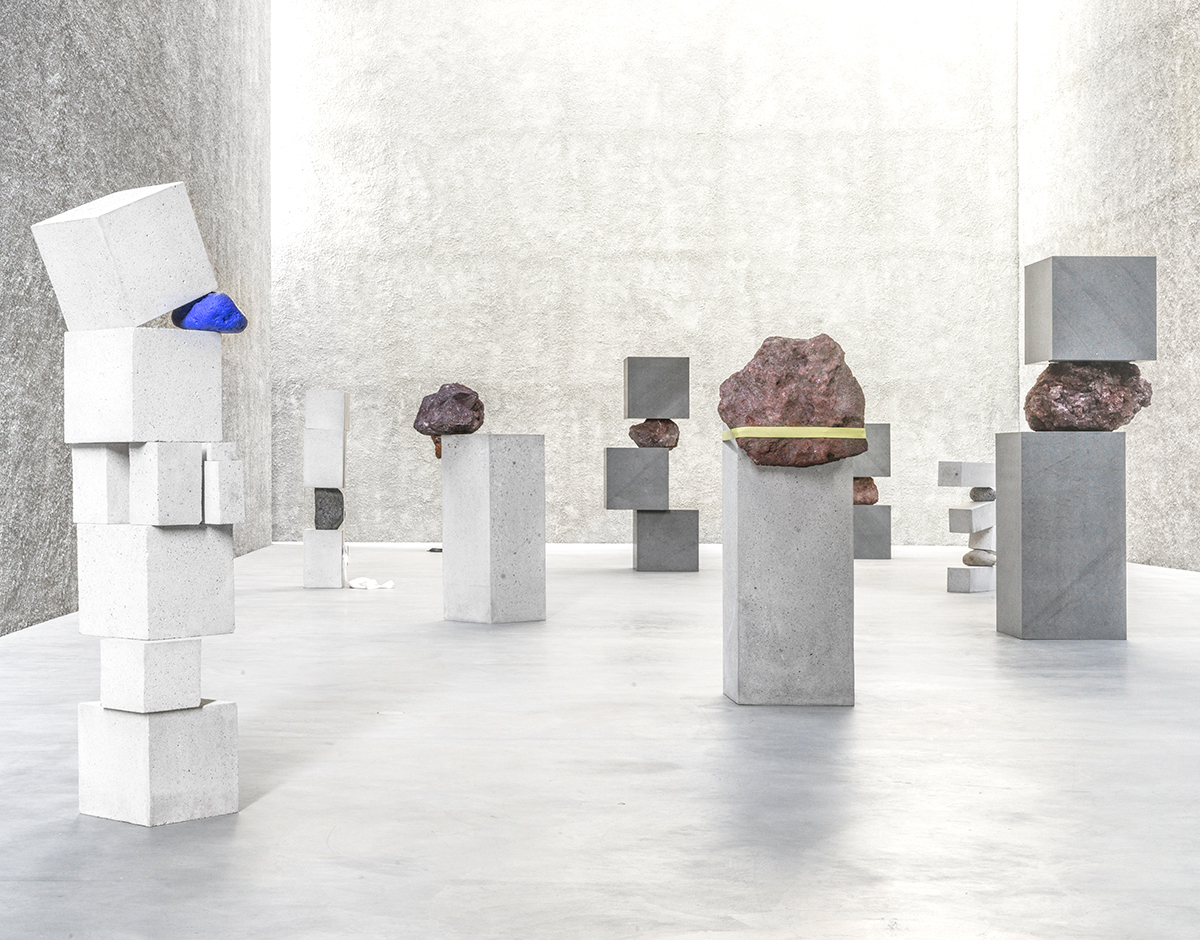
Jose Dávila (b. 1974, Guadalajara) works primarily in sculpture and installation, exploring balance, weight, and spatial tension. Dávila combines industrial and everyday materials such as steel, glass, concrete blocks, stone, and found objects. His works often appear carefully balanced or on the verge of collapse, with gravity and chance playing an active role in the final form. Referencing twentieth-century modernist art and architecture, Dávila reworks familiar forms into unstable constructions that test the physical and conceptual limits of sculpture.
Gabriel Orozco
Gabriel Orozco (b. 1962, Jalapa; lives and works between Mexico City and Tokyo) makes sculptures, photographs, and paintings using everyday objects and simple physical actions. He often rolls, cuts, or rearranges objects such as balls, stones, furniture, and vehicles, changing their form without disguising their original function. His works usually rely on balance, repetition, and geometry. Through these artistic interventions, Orozco demonstrates how ordinary objects can be reimagined through movement, time, and use, revealing new insights into familiar scenes or everyday objects.
Bárbara Sánchez-Kane
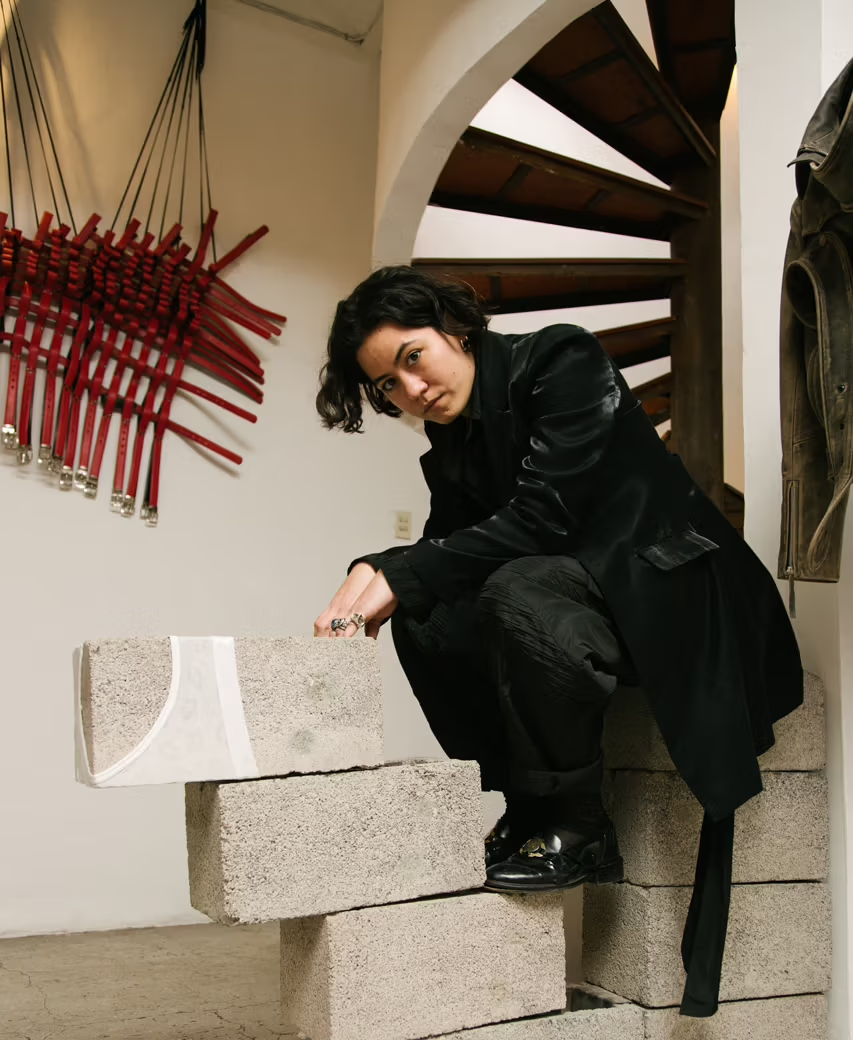
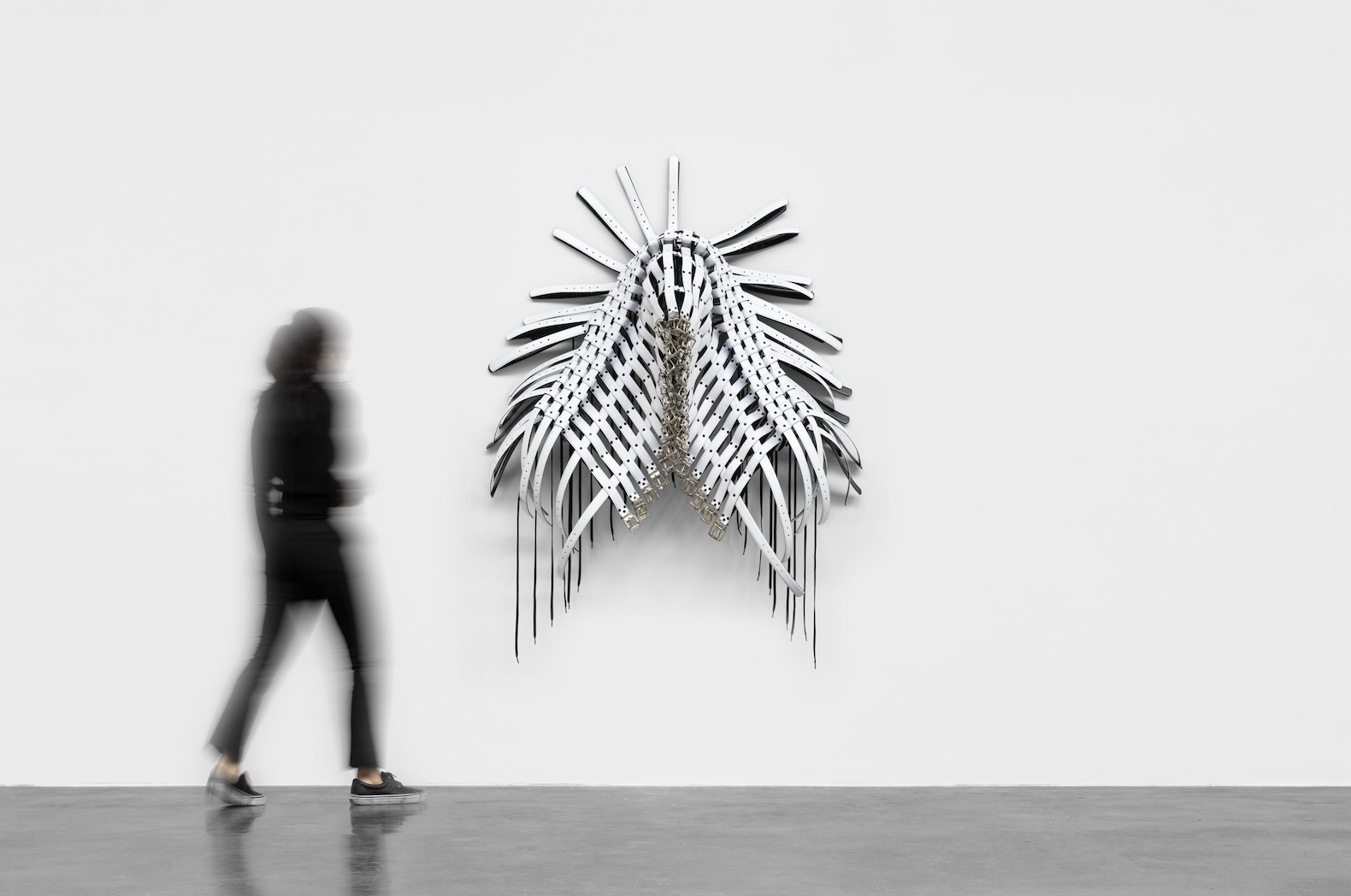
Bárbara Sánchez-Kane (b. 1987, Mérida, Mexico; lives and works in Mexico City) develops works across sculpture, installation, fashion design, painting and performance, often using leather, metal, chains, and industrial fittings as primary materials. Many of her fashion designs function as wall pieces as well, reflecting her desire to blur mediums as much as possible. Her works confront systems of masculinity, power, domination, and the traditional notions of Mexicanidad, frequently staging the body as a site of pressure, control and domination. In 2026, Sánchez-Kane was awarded the Chanel Next Prize.
Gallery Shows
Mariane Ibrahim
Carmen Neely: a trace beyond the life of the body
2 February – 2 May 2026
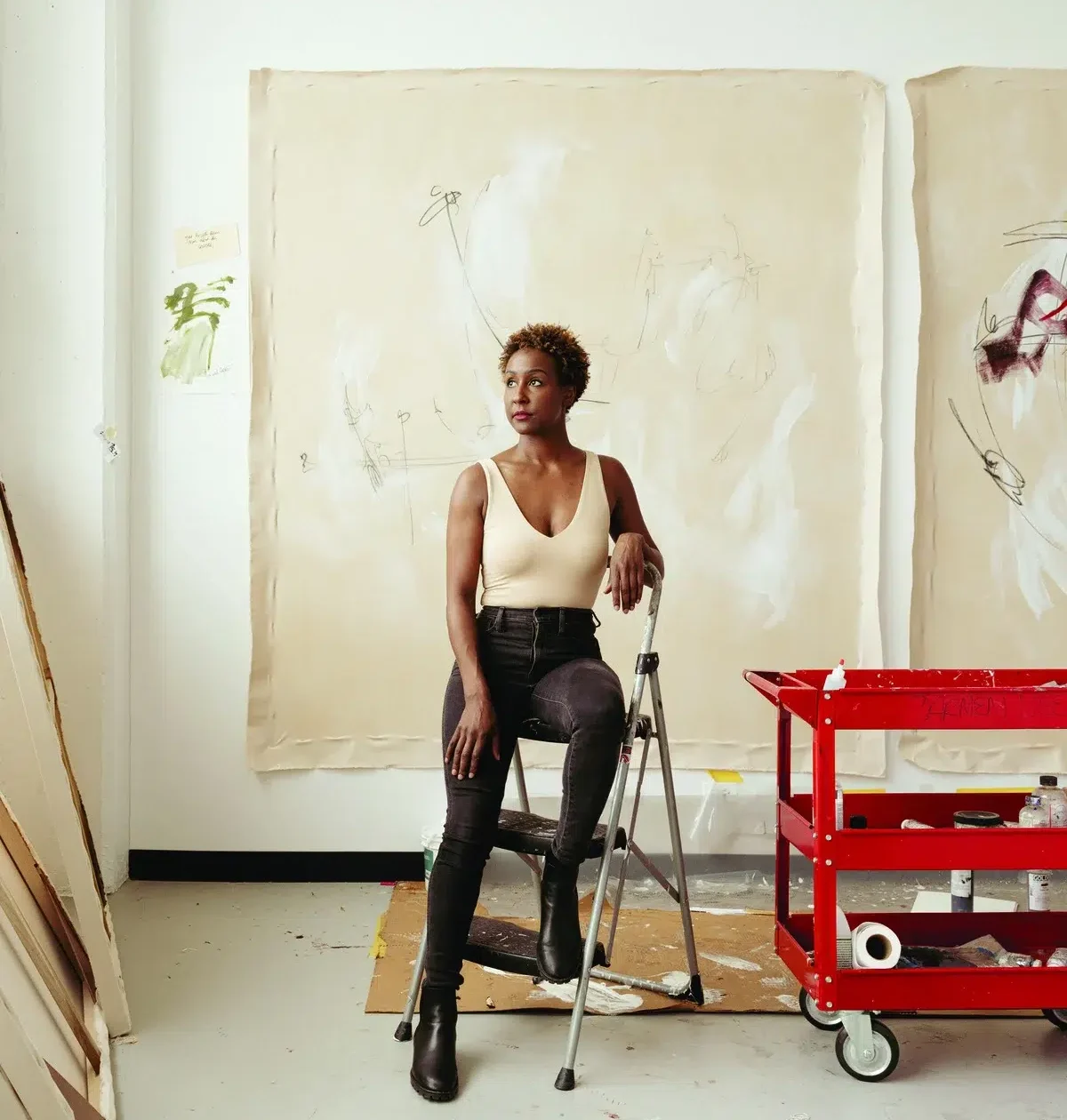
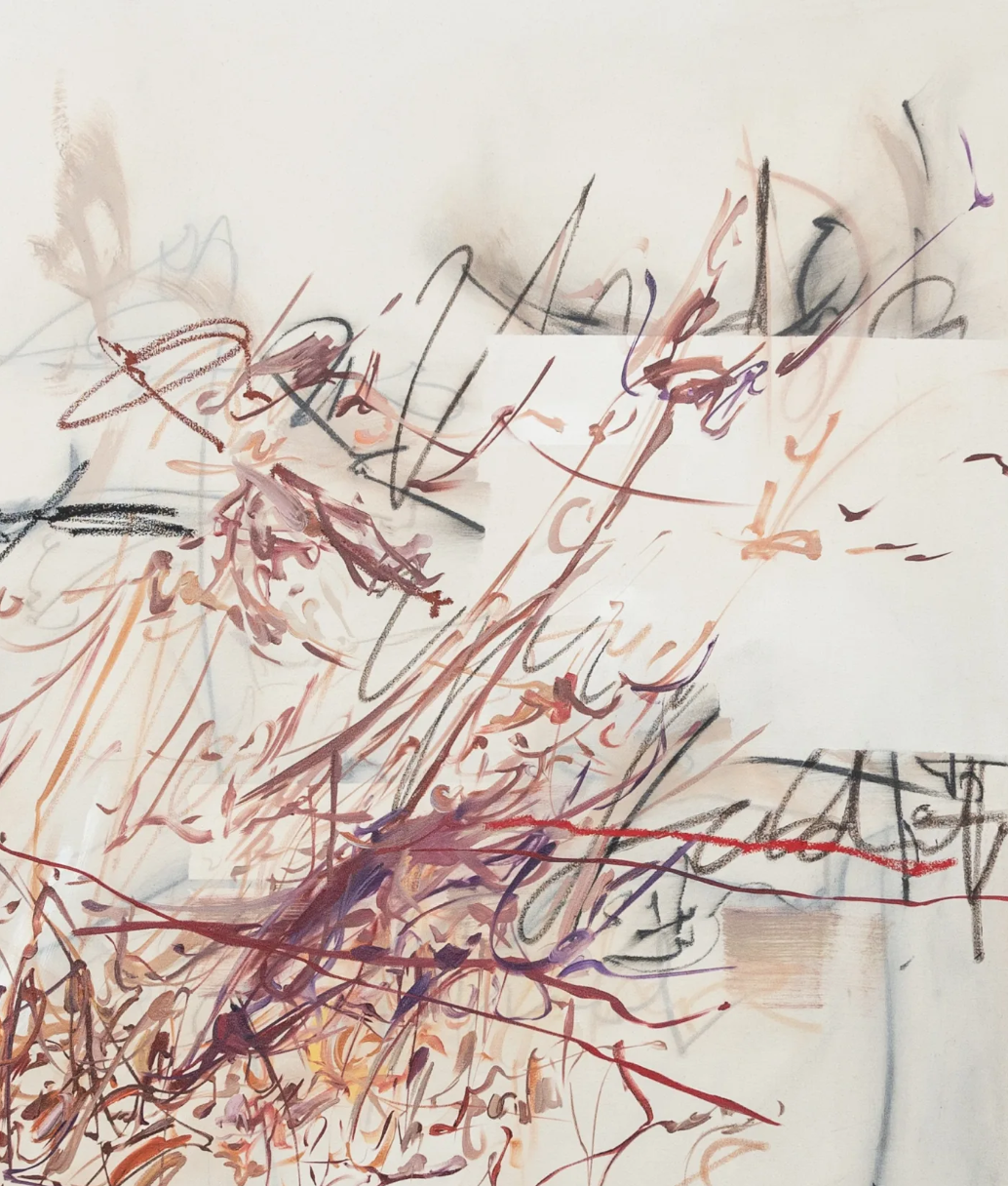
Mariane Ibrahim Gallery presents Carmen Neely: a trace beyond the life of the body, the artist’s first solo exhibition in Latin America. Neely’s abstract paintings operate as acts of inscription, built through layered marks, interruptions, and controlled erasure. In this exhibition, she introduces masking tape to create negative spaces that recall redaction and censorship. Working on raw, subtly toned grounds, Neely treats painting as a site for examining memory, power, and historical instability.
Galerie Nordenhake
Sarah Crowner: Zigzags & Curves
3 February – 14 March 2026
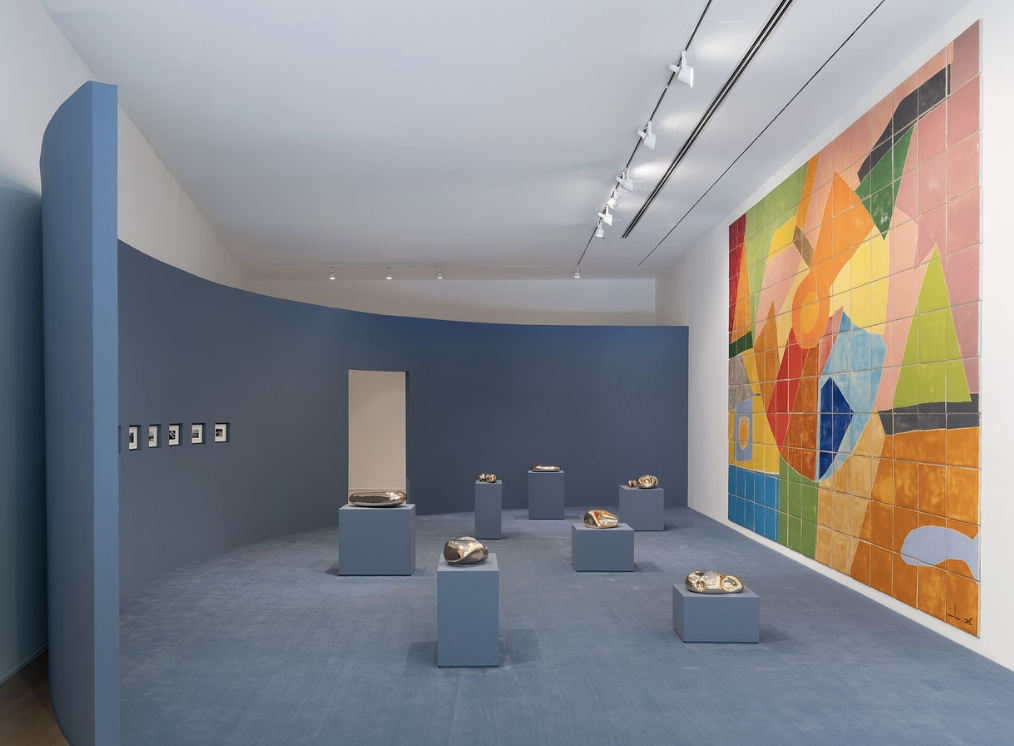
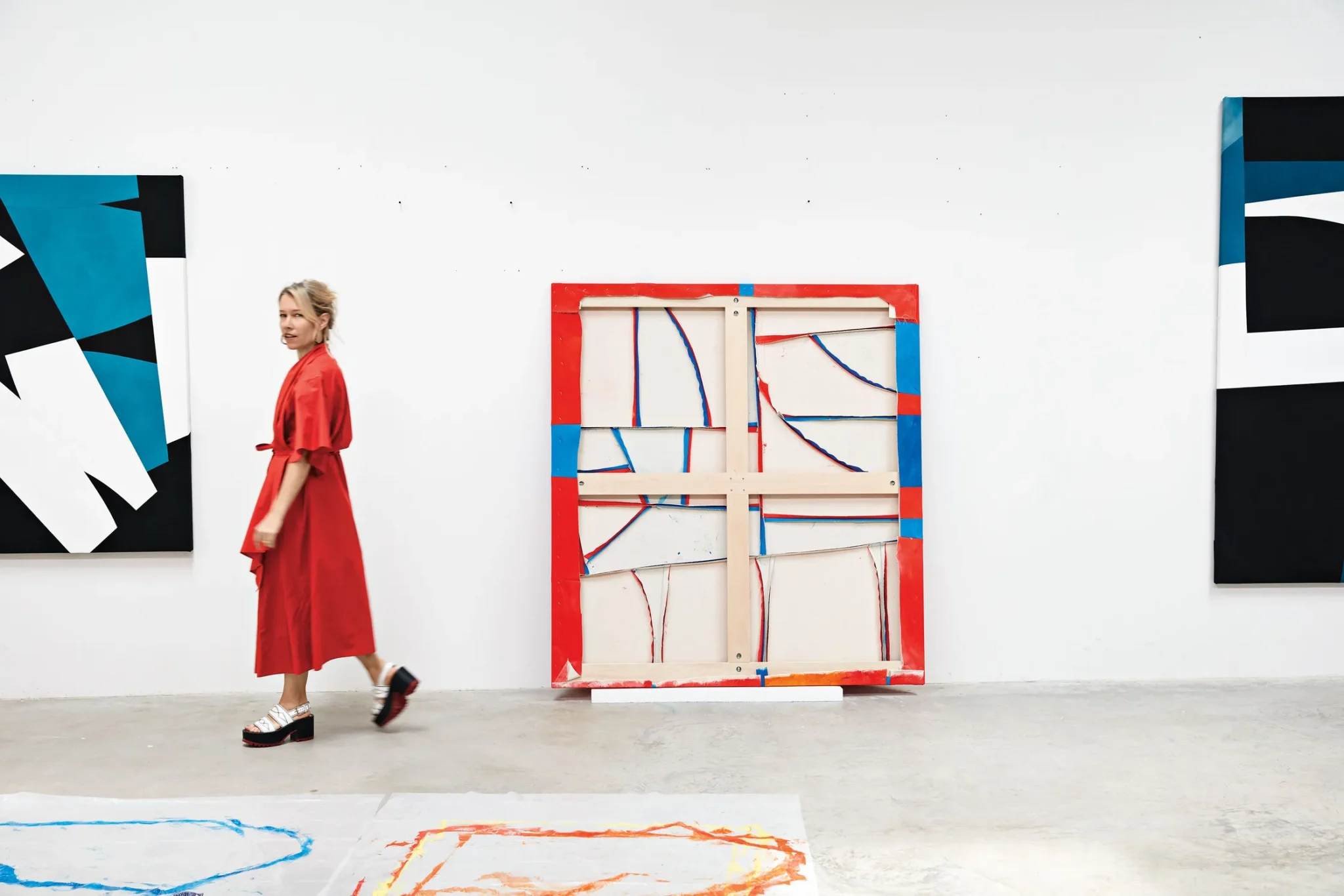
Galerie Nordenhake is showcasing Sarah Crowner: Zigzags & Curves, an exhibition developed from the artist’s ongoing research into geometry and abstraction. This exhibition spans across two spaces in Mexico City. The Curves exhibition is staged in a pop-up space at Palmas 1535 and centres on Crowner’s new works, where biomorphic forms and sweeping lines introduce softness and rhythm into her formal language. Zigzags is a group exhibition at the gallery’s Roma Norte space, curated by Crowner and Toni Sadurní. The program in both spaces investigates alternative approaches to abstraction, shifting between fluid organic forms and structured geometry.
OMR Gallery
Marcel Dzama. I Am The Sun, I Am The New Year
3 February – 21 April 2026
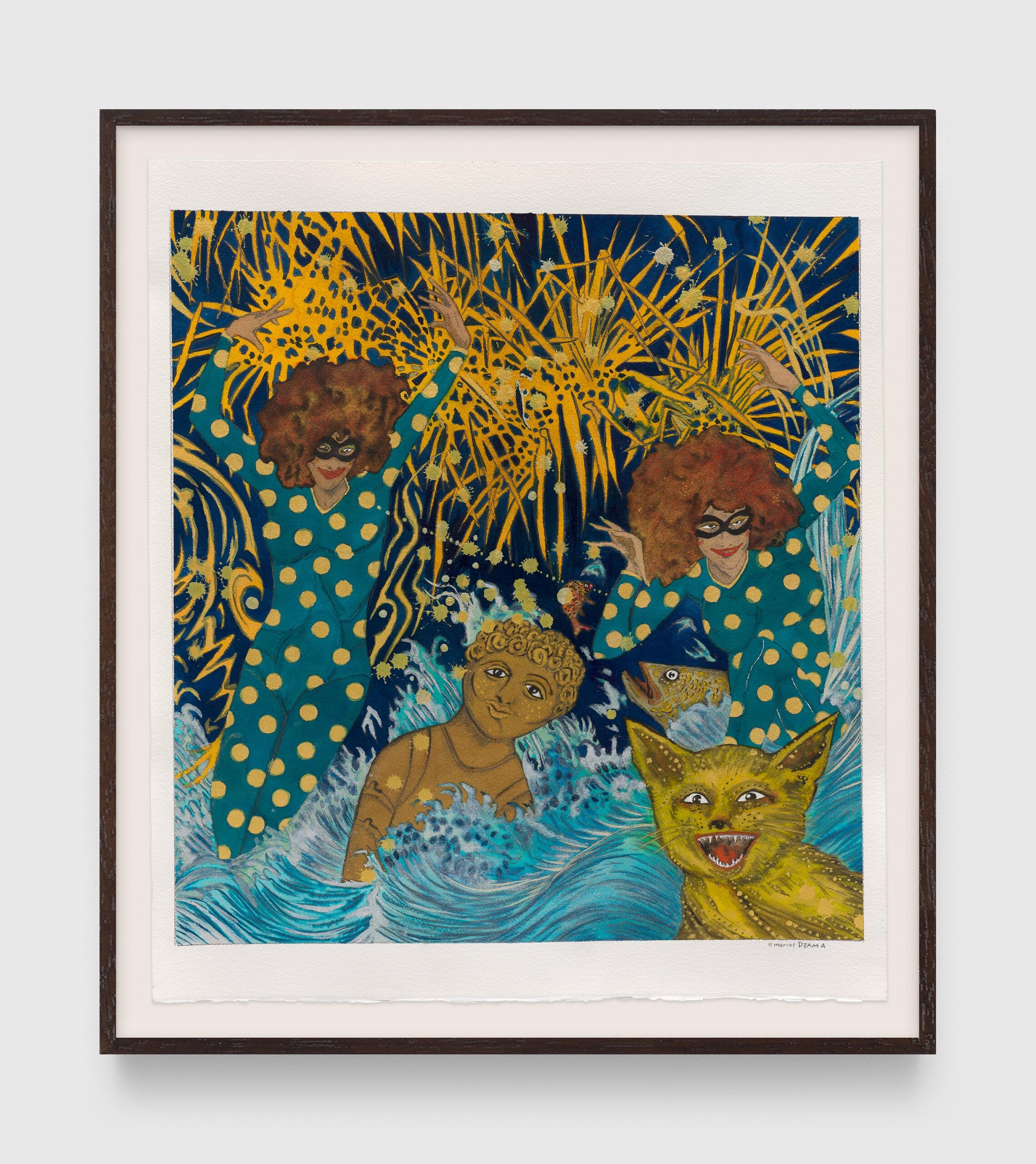
OMR is showing a solo exhibition by Marcel Dzama titled I Am The Sun, I Am The New Year. Dzama’s paintings and drawings feature masked figures, dancers, and anthropomorphised characters set within recurring symbolic environments such as chessboards, oceans, and lunar landscapes. Drawing equally from folk vernacular, art-historical references, and contemporary culture, his work constructs a universe of childhood fantasies and otherworldly fairy tales. Shaped in part by the long, isolated winters of Winnipeg in Canada, Dzama developed a prolific drawing practice, which he has described as an “exorcism ritual” for political anger and a negotiation between dreamlike subconscious imagery and lived reality. Through a visual language that is both playful and unsettling, Dzama blends humour, surreal imagery, and fragmented narratives to create immersive worlds that offer both a momentary escape from everyday life and a subtle critique of it.

OMR Gallery
Leonora Carrington. ETHIOPS
3 February – 21 April 2026
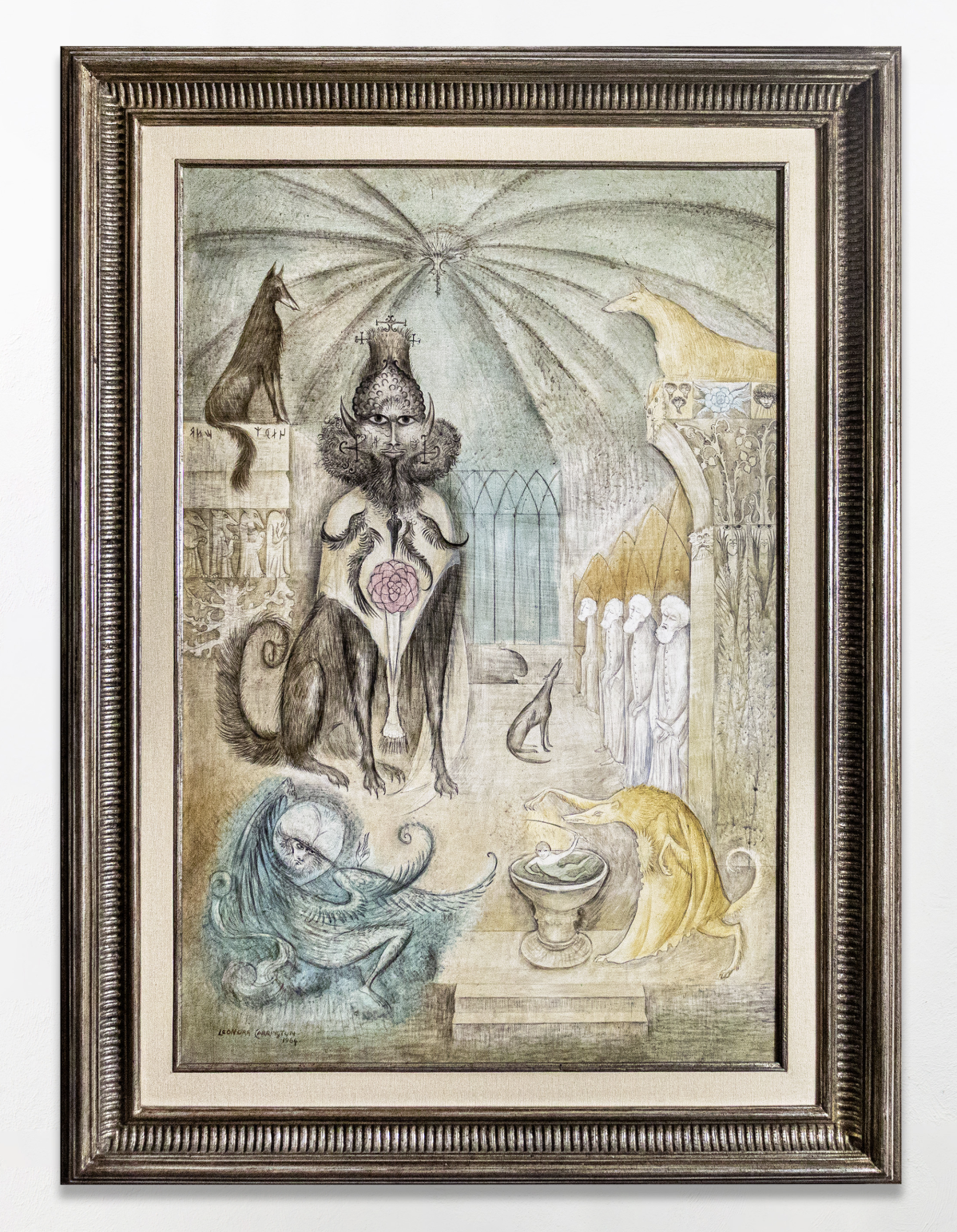
OMR is also presenting works by Leonora Carrington, the influential British Surrealist artist who spent much of her adult life in Mexico City and became deeply embedded in its vibrant artistic community, alongside works by Remedios Varo, Alice Rahon, Wolfgang Paalen, and others. In recent years, increased scholarship has foregrounded Mexico’s profound influence on Surrealism, a movement long framed as Parisian and male-centric. It was in Mexico during the late 1930s and 1940s that Surrealism significantly expanded and diversified. Inspired by the country’s expansive landscapes, pre-Columbian mythology, traditions of witchcraft, and its relative distance from Europe’s rigid gender norms, artists working there produced some of the movement’s most visionary and radical works. Carrington’s work, in particular, has seen renewed critical and market recognition. Her paintings and writings are characterised by enigmatic female figures, hybrid human and animal forms, alchemical symbolism, and mythological narratives, articulating alternative systems of knowledge that challenge patriarchal and rationalist structures.
Kurimanzutto
Oscar Murillo. el pozo de agua
4 February – 28 March 2026
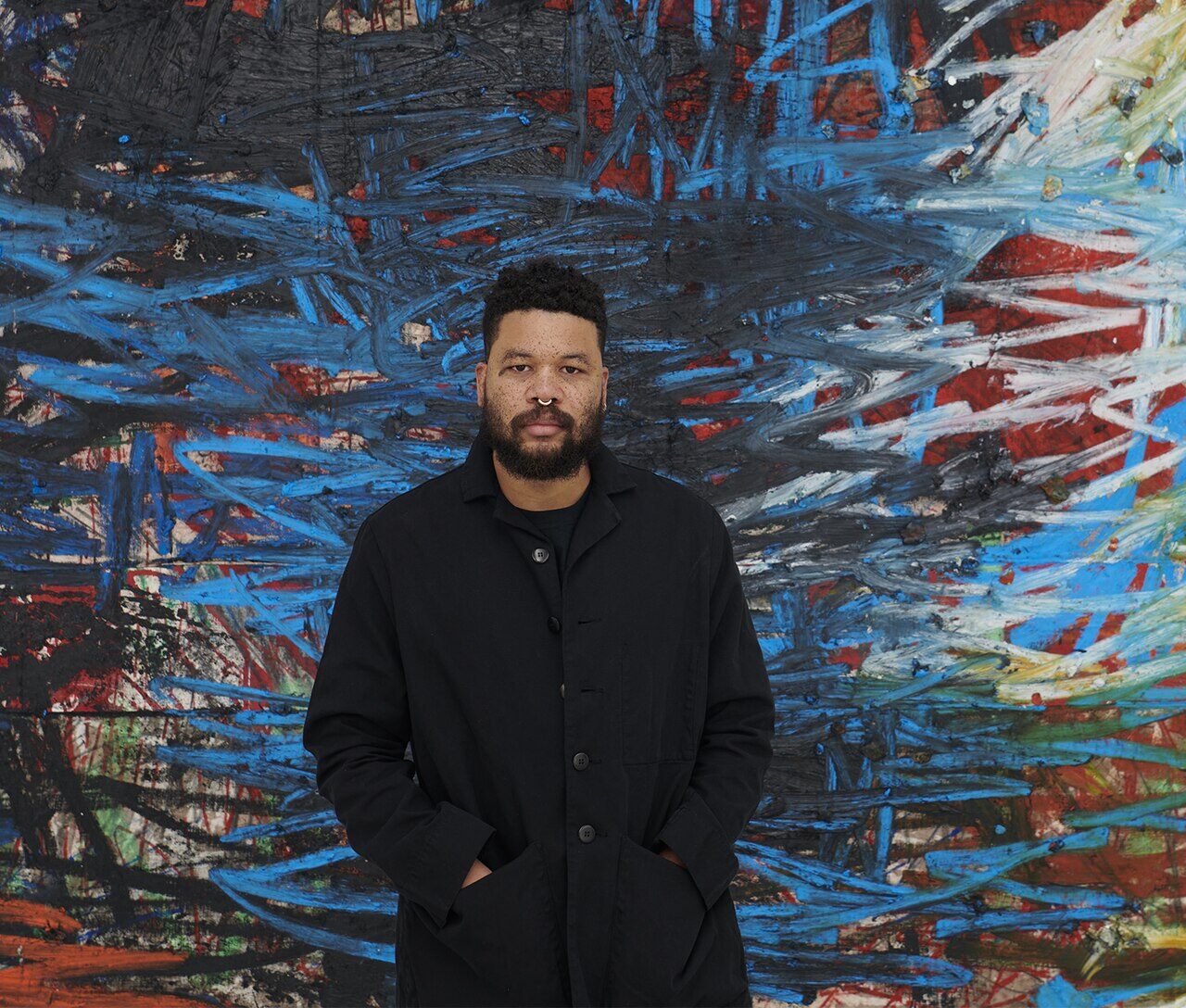
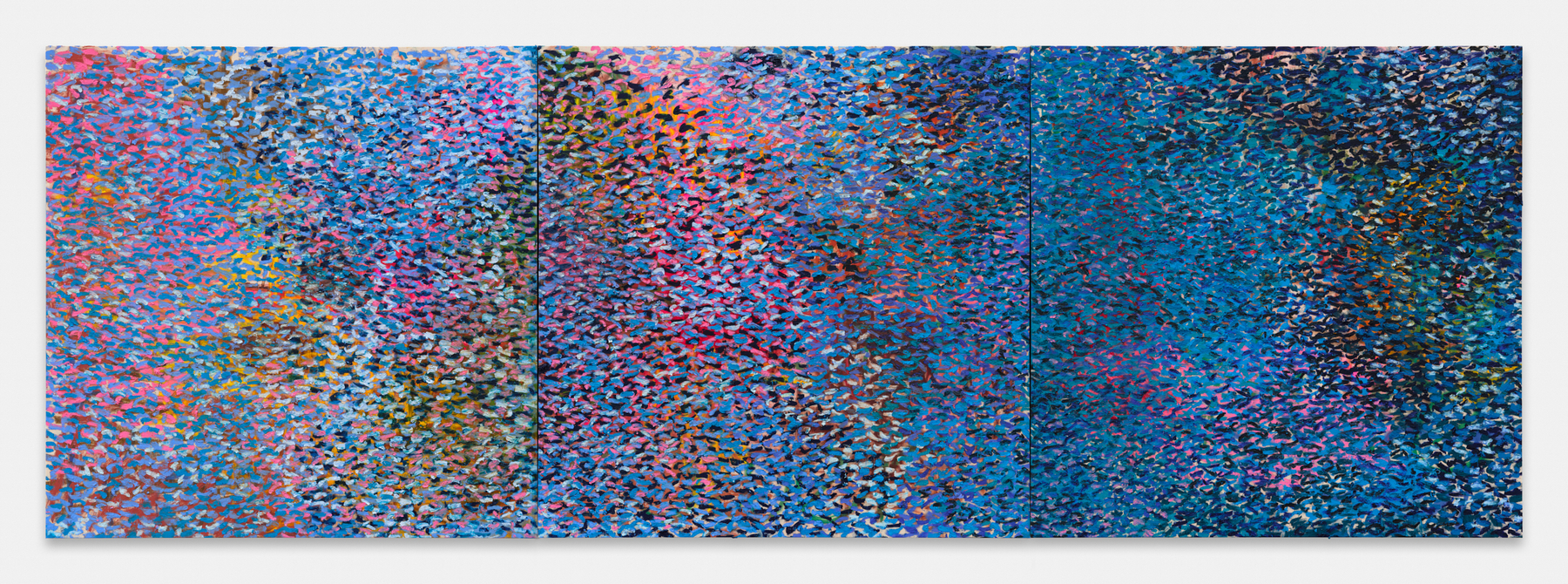
The acclaimed Colombian artist Oscar Murillo is having a solo exhibition at Kurimanzutto, titled el pozo de agua or “the water well” in English. Murillo works across a wide range of mediums, including painting, drawing, sculpture, video, performance, bookmaking, and collaborative projects with diverse communities. Murillo’s paintings are built from layered and reassembled canvases, often incorporating fragments from earlier works. Dense fields of pigment, printed marks, and gestural traces overlap across the surfaces, creating compositions that feel accumulated rather than composed. His practice is deeply concerned with materials, process, and labour, while also engaging with themes of migration, community, and the flows of exchange and commerce in a globalised world.
Galería de Arte Mexicano (GAM)
Stefan Brüggemann
Opening on 3 February 2026
Galería de Arte Mexicano brings together recent works on paper that extend Stefan Brüggemann’s text-based practice into a more immediate and exposed medium. Working on A4 sheets with graphite, oil stick, and marker, these works were not done as preparatory drawings before paintings, but as conclusions to paintings. These works on paper are where he would go to finish his thoughts and impulses once a painting was finished. The artist completed the works across his studios in London, Ibiza, and Mexico City, and used a range of paper types in different colours and textures. In these works, language is pushed toward abstraction, stretched and fragmented until meaning erodes, shifting from readable text into rhythm and visual noise. Brüggemann describes these drawings as made in “full speed mode,” emphasising feeling over rationalisation.
Travesía Cuatro
Tania Pérez Córdova
Opening on 3 February 2026
The Mexican artist Tania Pérez Córdova is having her first solo exhibition with Travesía Cuatro. Pérez Córdova’s is a Mexico City-based artist whose sculptures and interventions operate as carefully staged situations, bringing together everyday objects, subtle material shifts, and spatial placement. Working with found and industrial materials, she explores duration, absence, and the lifespan of objects. The artist’s interest in everyday events underscores how seemingly insignificant situations can be linked to the infrastructure of our social and economic reality, as well as to the complexity of the contemporary world. The exhibition unfolds quietly, with works that register fragility and change through minimal gesture and restrained form.
Georgina Pounds Gallery
Vanessa Raw. Monsters Paradise: The Becoming of Her Divine Beast
4 February – 22 March 2026
Georgina Pounds Gallery opens in Roma Norte with a solo show of works by Vanessa Raw, Monsters Paradise: The Becoming of Her Divine Beast. In her first solo exhibition in the city Raw presents large-scale paintings that centre on female figures set within lush, imagined landscapes, characteristic of her usual style. Her paintings combine heightened colour, fluid brushwork, and symbolic detail, moving between dream, myth, and interior states.

Museums and Institutions
La Cuadra Barragán
Félix González-Torres
8 February – 5 April 2026
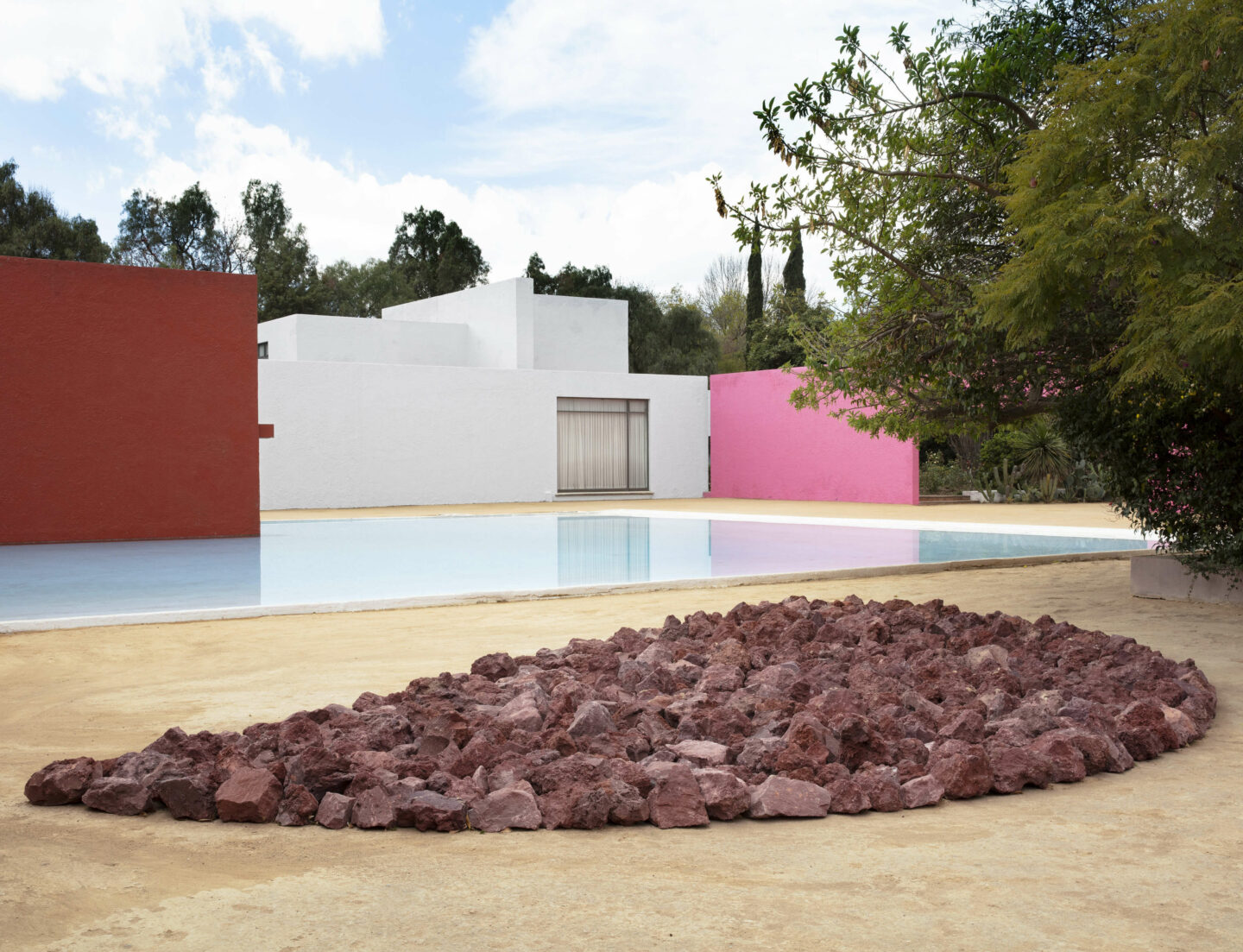
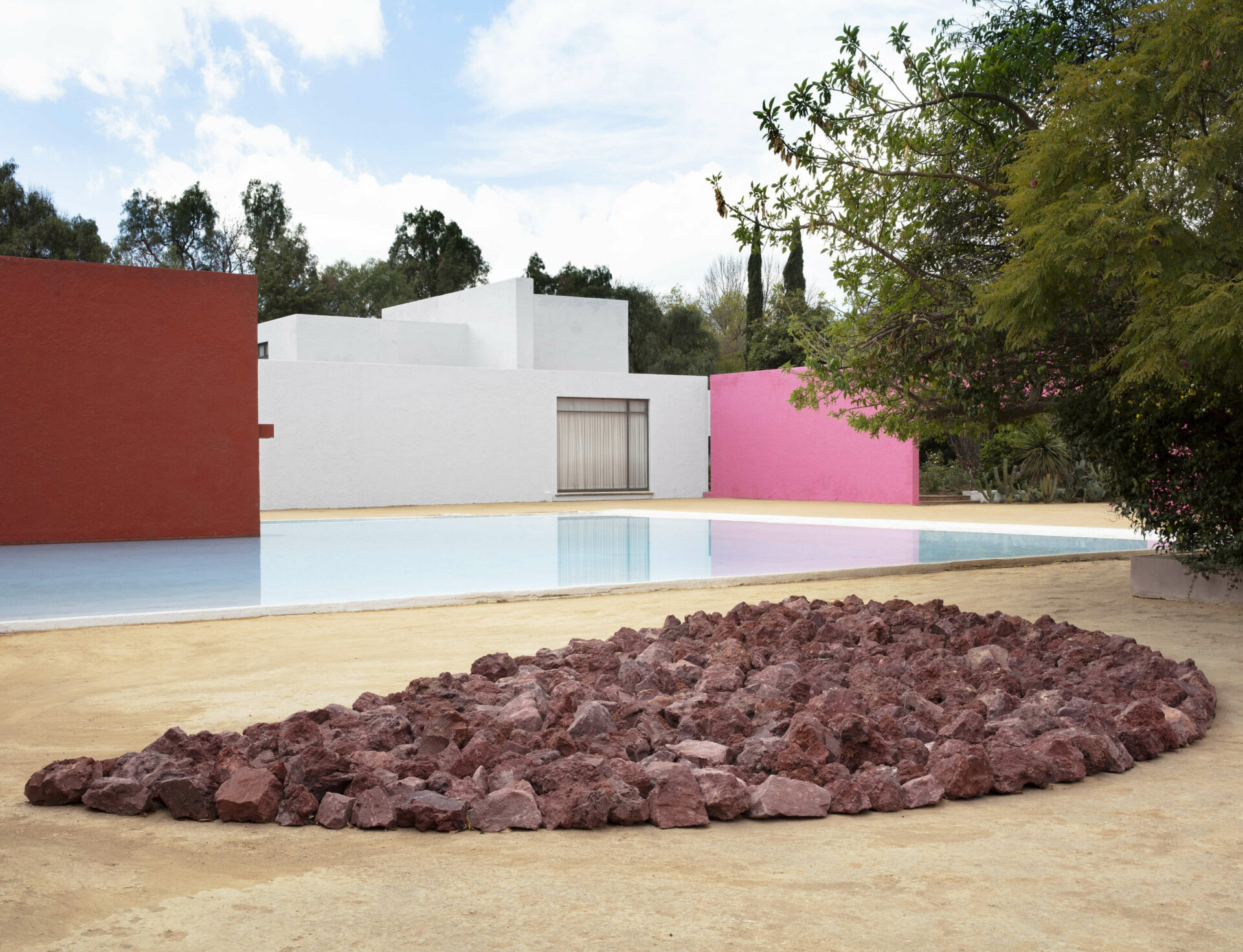
Curated by Pablo León de la Barra, La Cuadra will host an exhibition that proposes a dialogue between the poetic works of Félix González-Torres and the iconic architecture of La Cuadra Barragán.
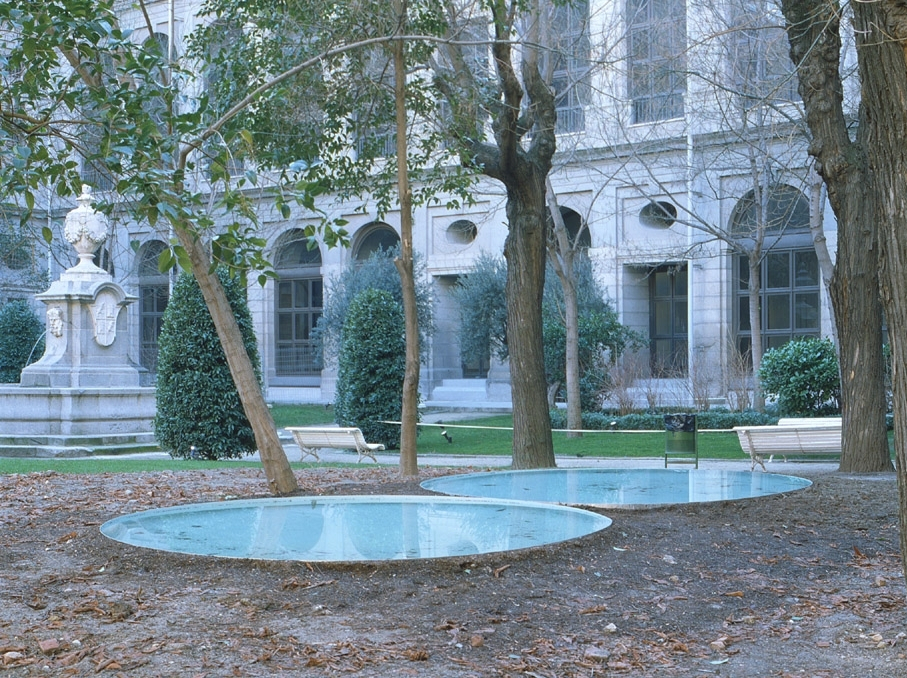
Designed by one of Mexico’s most celebrated architects, Luis Barragán, La Cuadra is a striking residential complex conceived as a house and horse stables arranged around an enclosed courtyard. La Cuadra Barragán is recognisable for its distinctive coloured walls, bold planes, and integration of water and landscape. Exemplifying Barragán’s poetic modernism, the site blends minimalist architecture with emotional warmth. Today, La Cuadra functions as a cultural site, with the stables preserved as part of the estate’s history, offering regular tours and hosting artist interventions within the space. A total of six works by González-Torres will be displayed throughout La Cuadra Barragán. One of the works included is “Untitled” (Sagitario) (1994–95), which is composed of two large circular reflecting pools set flush with the floor, positioned so closely that water can almost move between them. Responsive to light, sound, and movement within the space, the pools produce delicate visual shifts. The work is quintessential within the artist’s oeuvre, exemplifying his poetic conceptualism through quiet interactions that emphasise proximity and physical presence. The work also calls to mind his legendary “Untitled” (Perfect Lovers), which consists of two identical clocks hung side by side and has become one of the most iconic and widely recognised works of late 20th-century conceptual art. The show will also include “Untitled” (1989), a seminal work often referred to as González-Torres’s “dateline” or “frieze” piece. Comprising text—names, dates, locations, and historical events—painted directly onto the upper part of walls, the work interweaves personal milestones with shared historical moments. The artist did not limit the inscriptions to events between his birth and death; instead, institutions that have shown the works have become co-owners of the work, adding and subtracting events over time. In doing so, the installation and the artist himself are granted a form of renewable life, underscoring the mutable and open-ended nature of human identity.
Bringing González-Torres’s understated, lyrical works into dialogue with Barragán’s architecture, the exhibition offers a deeply poetic encounter in which space, time, and presence resonate in quiet harmony.
Lago Algo
Chapter VIII: Hallucinations. Trevor Paglen and Troika
5 February – 31 May 2026
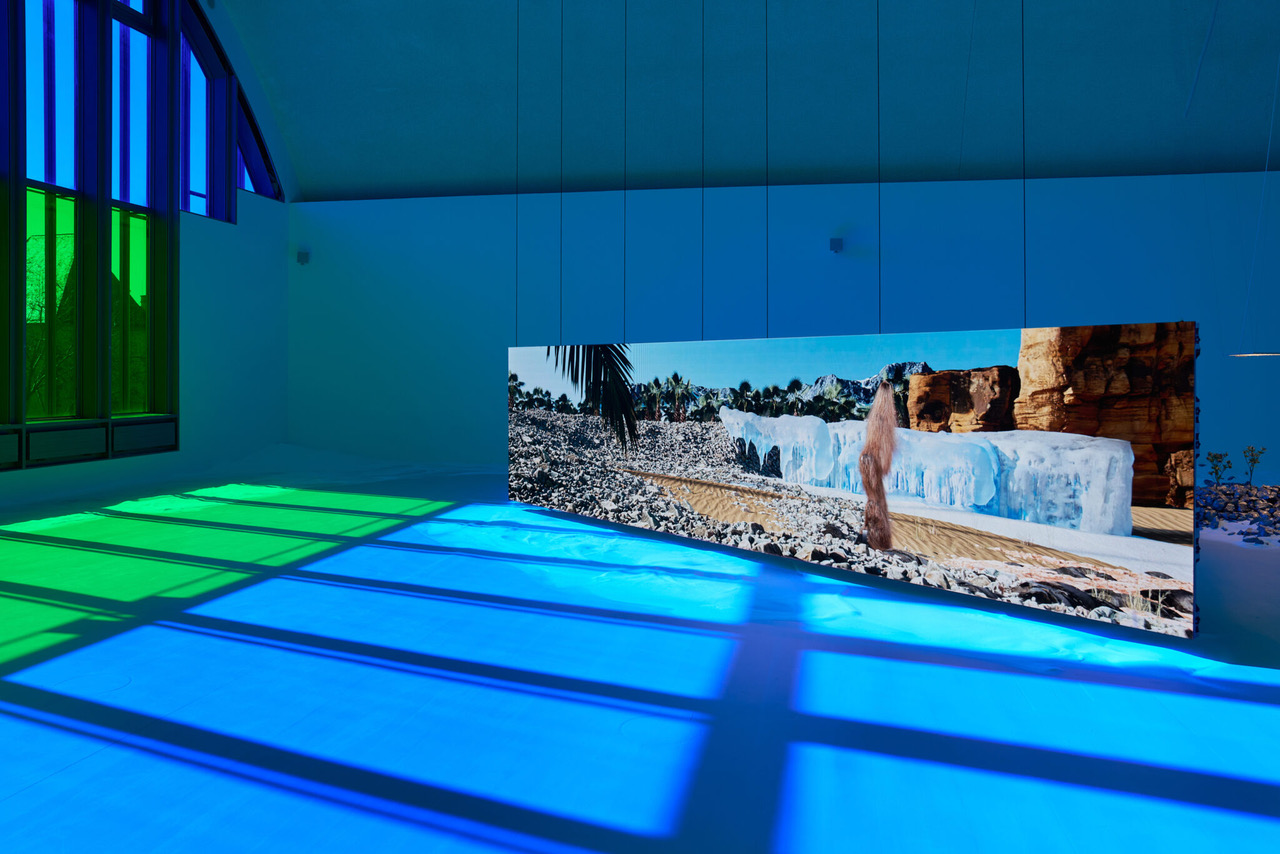
At Lago Algo, inventive thinking drives every project, from immersive exhibitions to culinary experiences, all set within a striking lakeside venue. They are presenting Chapter VIII: Hallucinations, a group show of works by Trevor Paglen, an American artist and geographer, and Troika, an artist trio formed by Eva Rucki, Conny Freyer and Sebastien Noel. The exhibition explores how perception is shaped by technological systems, moving between machine vision, natural forms, and constructed environments. Troika presents immersive installations where organic and synthetic elements intertwine, suggesting alternative modes of intelligence and sensing. Paglen’s works focus on the visual infrastructures of surveillance and artificial intelligence, using photography and image-based systems to reveal how machines classify, generate, and interpret the world.
Museo Jumex
Gabriel de la Mora: La Petite Mort
25 September 2025 – 8 February 2026
Museo Jumex is a major contemporary art museum in Mexico City, featuring a remarkable collection and vibrant exhibition program housed in a striking building designed by David Chipperfield. Their survey exhibition Gabriel de la Mora: La Petite Mort, explores two decades of the artist’s practice. Born in 1968 in Mexico City, where he currently lives and works, he is best known for constructing visual works from found, discarded, and obsolete objects. Through alchemic processes, he transforms materials such as butterfly wings, eggshells, shoe soles, human hair, and reclaimed architectural surfaces into alluring surfaces, exquisite objects and beautifully tactile works. These meticulous, craft-based methods are often set against processes driven by fire, water, or erosion.
Fundación Casa Wabi
María Naidich
Cristina Umaña
Bosco Sodi
Opening on 3 February
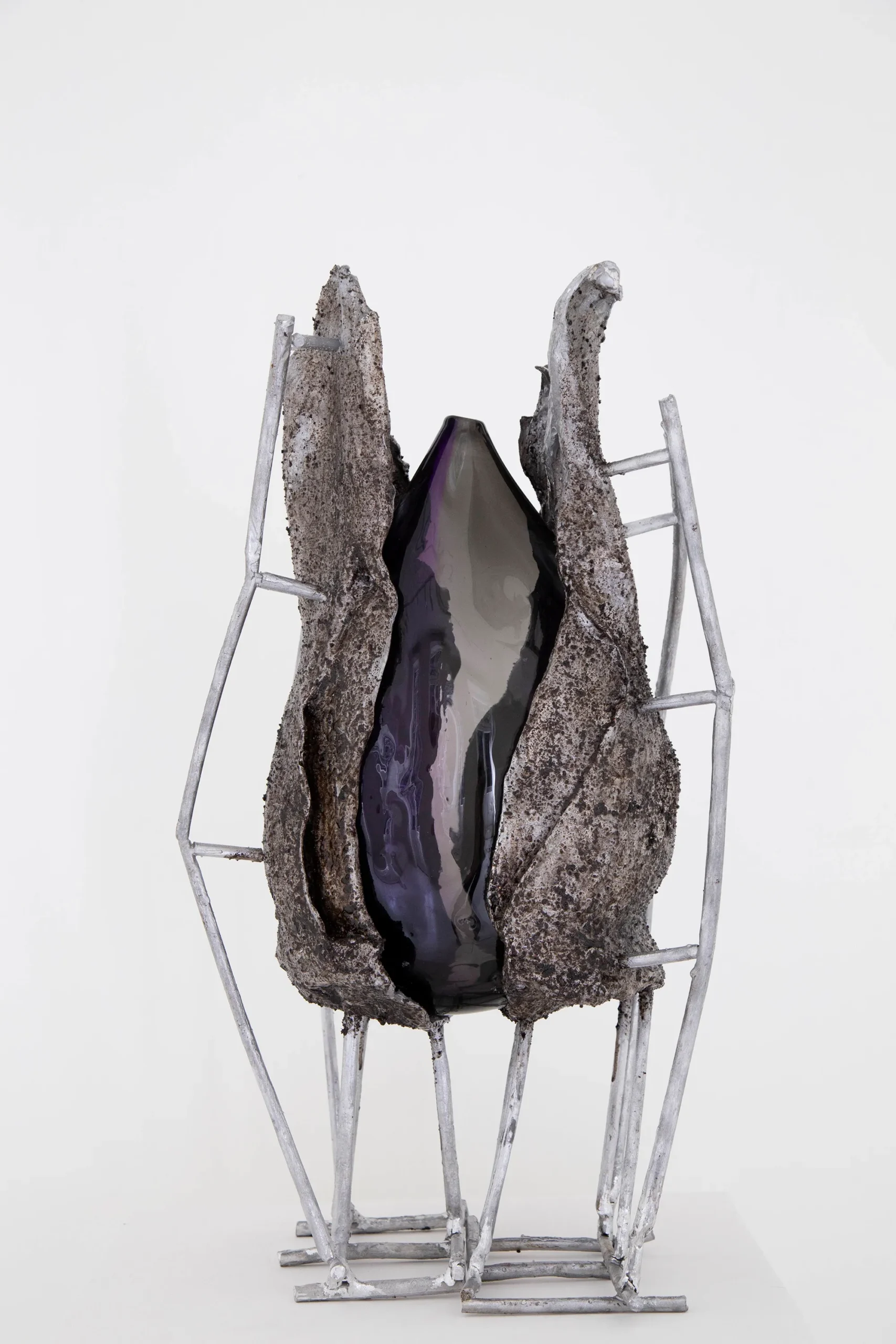
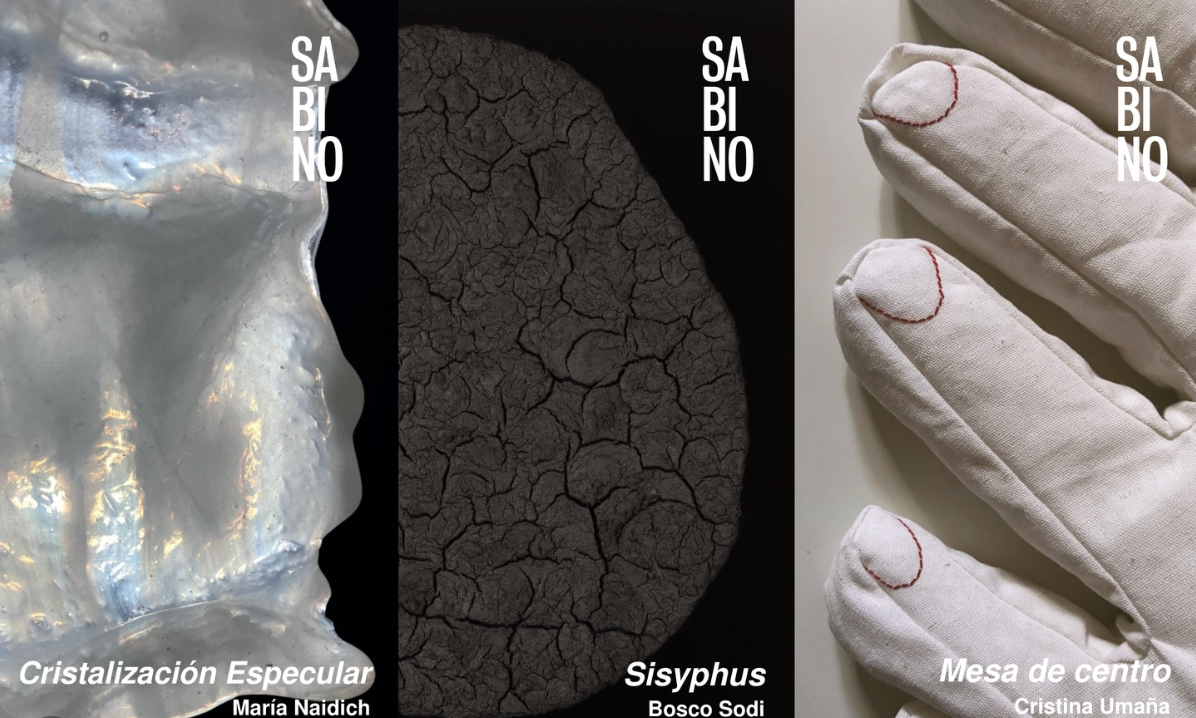
Fundación Casa Wabi, Mexico City presents a group of concurrent exhibitions that centre on material transformation and process. Specular Crystallization by María Naidich explores glass as a medium shaped by heat, tension, and controlled instability. Cristina Umaña’s Coffee Table works with textile and soft structures, translating domestic forms into tactile objects. In Sisyphus, Bosco Sodi continues his engagement with raw, natural materials such as clay, pigment, and volcanic rock, allowing physical processes to determine form. Together, these exhibitions approach materiality through distinct materials, from glass and textile to clay, pigment, and volcanic rock, each shaped by its own physical process.
Mexico City Now: Artists, Galleries, and the Pulse of a Global Art Capital
Mexico City Now: Artists, Galleries, and the Pulse of a Global Art Capital
From Tradition to Form: Mexico’s Design Landscape Today